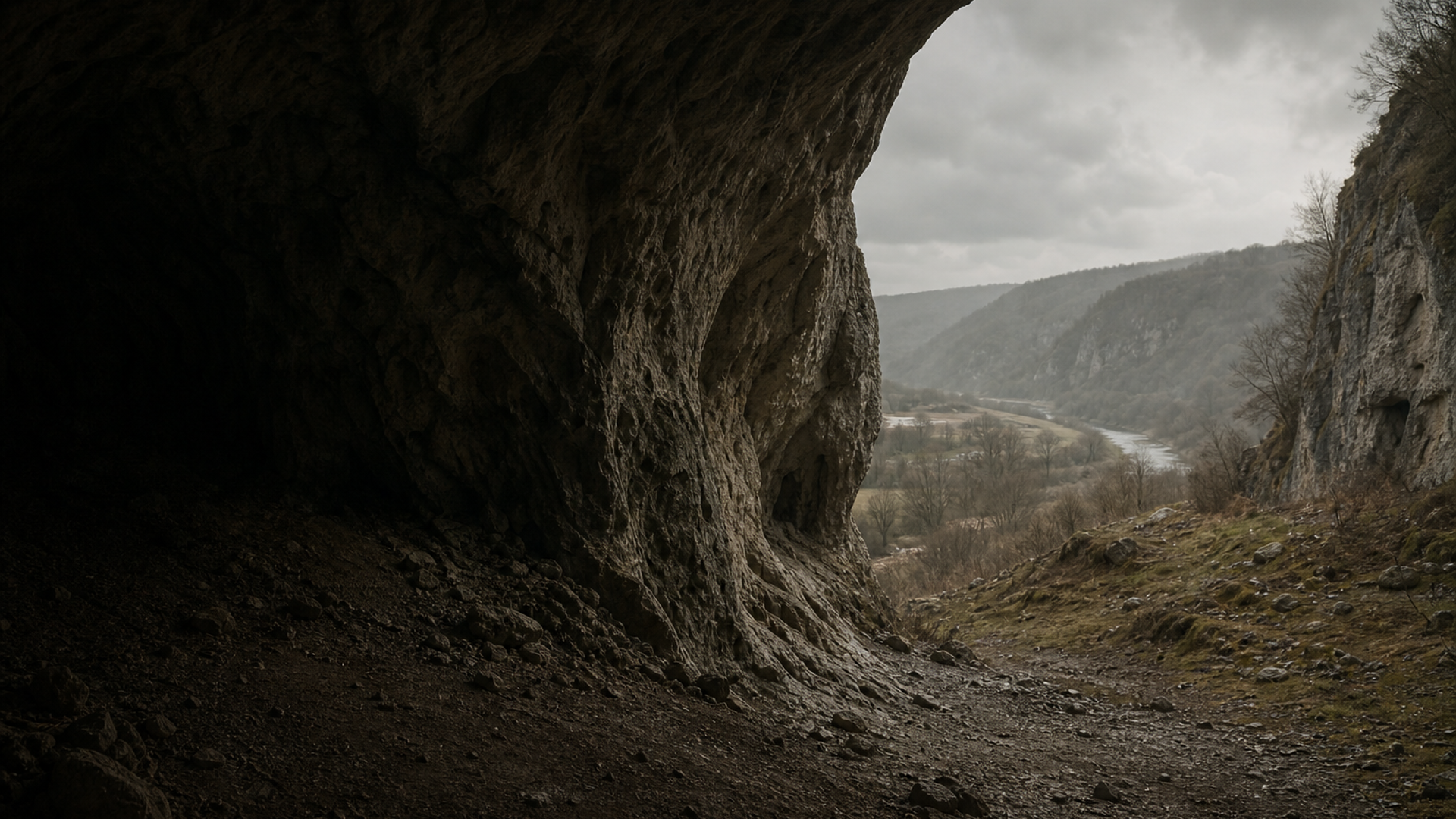
The genetic signal from Belgium_UP_GoyetQ56_16 is singular yet informative: mitochondrial DNA belongs to haplogroup U2. In Paleolithic Eurasia, U2 lineages appear intermittently and are interpreted as part of a broader maternal tapestry that includes U5 and other deep-rooting haplogroups common among early modern Europeans. Archaeogenetic data indicates these maternal lineages reflect complex Paleolithic dispersals and regional continuity punctuated by demographic shifts.
Crucially, there is no Y-chromosome information published for this specimen, so paternal ancestry is unknown. With a sample count of one, any inference about population structure, affinities to nearby groups, or continuity into later populations must be framed as preliminary. Nevertheless, even a single mtDNA call can be integrated with archaeological context: an individual carrying U2 in northwestern Europe at ~24.5k BCE aligns with broader patterns of maternal diversity across Paleolithic Eurasia. Future genomes from Goyet and coeval sites will be needed to test hypotheses about local continuity, gene flow across ice-age landscapes, and how maternal lineages were distributed across hunter-gatherer networks.
Laboratory protocols, contamination checks and damage-pattern analyses underpin confidence in ancient mtDNA assignments; still, statistical population-genetic claims require larger sample sizes.