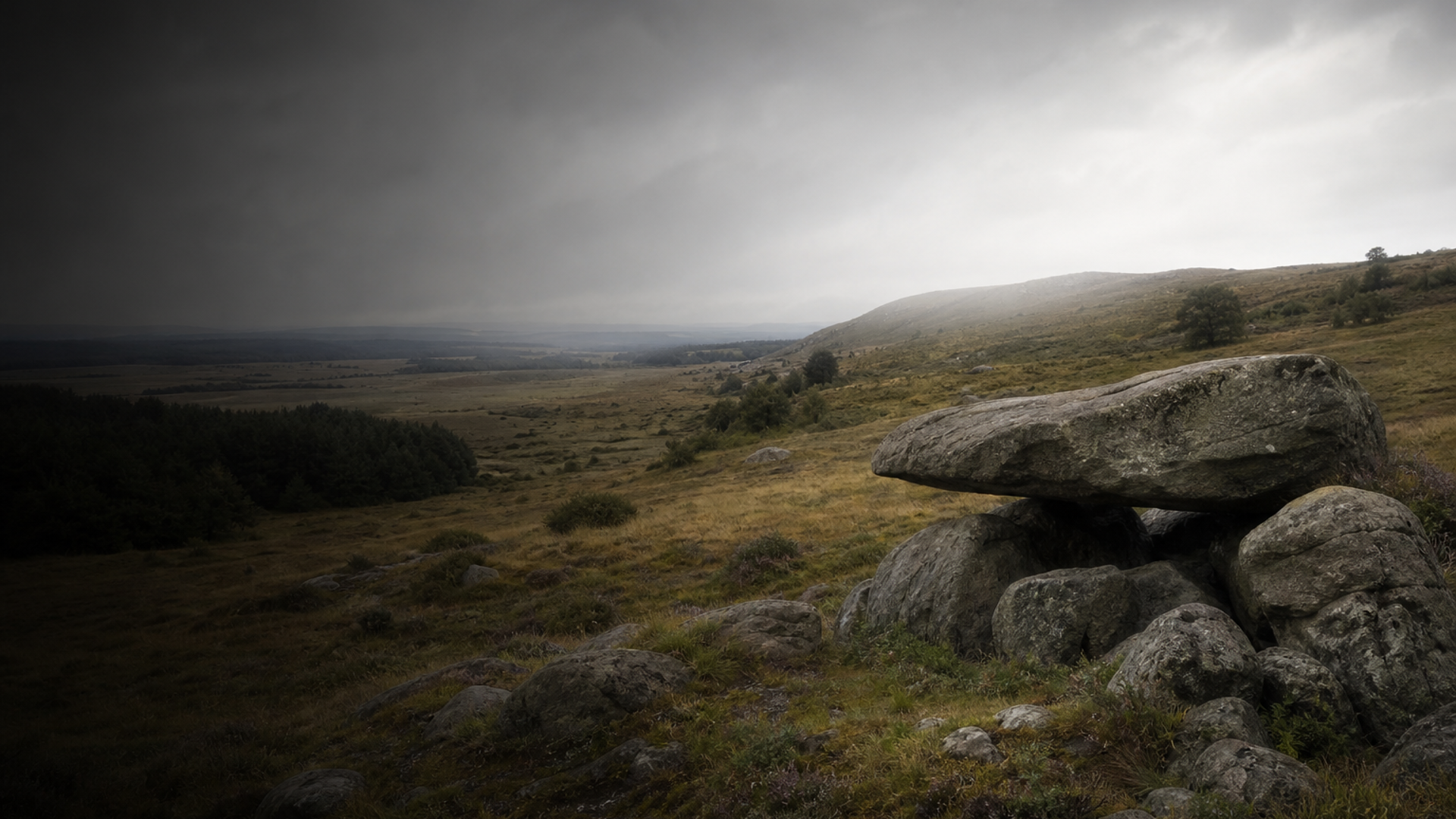
Archaeological data indicates daily life in Grand-Est Middle Neolithic villages revolved around small-scale agriculture, herding and pottery production. Fields of emmer and einkorn, along with cattle and sheep, would have structured seasonal rhythms; hearths, storage pits and pottery sherd scatters at sites like Ferme de l'Ile and Rosheim suggest domestic economies anchored to family households. Wood and bone tools, along with flint from local and more distant sources, point to craft specializations and exchange networks.
The material record evokes a tactile world: heavy pots for boiling and storage, polished stone axes for clearing forest, and carefully knapped blades for everyday tasks. Burial evidence in the region is variable; where present, interments sometimes reflect subtle social differentiation, but the archaeological signal is fragmentary. Organic materials rarely survive in quantity, so reconstructions rely on artifact clusters, spatial layouts and seasonal indicators preserved in the soils.
Archaeological data indicate mobility was primarily local, but exotic raw materials and stylistic influences imply long-range contacts—rivers served as highways of culture and gene flow. The lived landscape combined rooted farming lifeways with flexibility to exploit wetlands, floodplains and wooded edges.