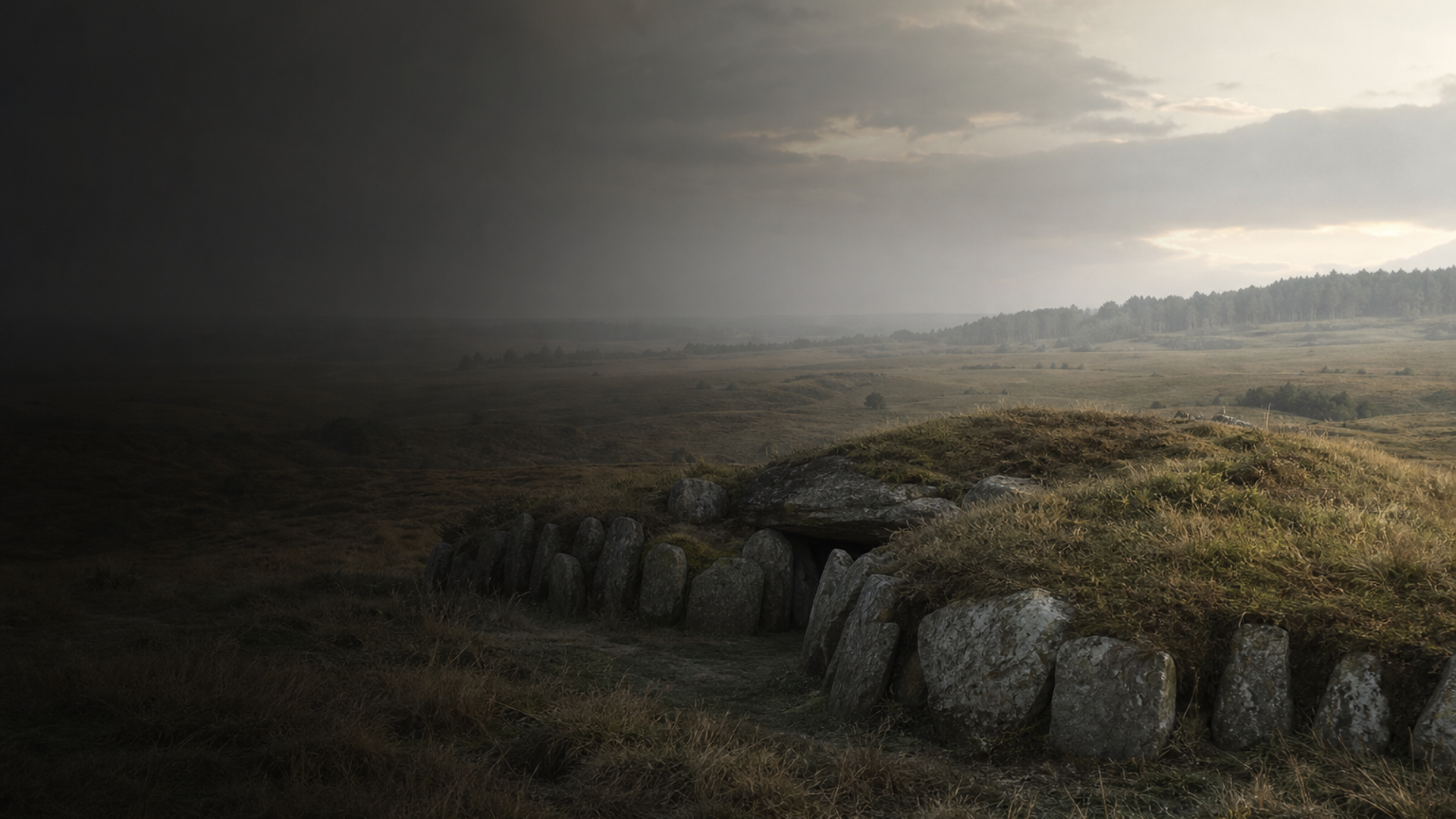
Archaeological traces in Lower Saxony suggest everyday life at Hiddestorf was shaped by mixed farming, seasonal rhythms, and local craft. Settlement traces regionally indicate household economies that combined cereal cultivation, animal husbandry, and artisanal production—activities that structured social roles and exchange. Burial evidence from comparable Saxon cemeteries implies varied mortuary treatments that reflected age, sex, and possibly status, though specific grave inventories at Hiddestorf should be interpreted conservatively when sample sizes are small.
Social life likely revolved around kin networks anchored to farmsteads and cemeteries. Long-distance contacts — through trade or mobility — connected these communities to coastal and continental routes, allowing material and cultural exchange with neighboring groups. Environmental data from the region points to managed landscapes: fields, hedges, and woodland patches used for fuel and construction. Together, archaeology and emerging genetic signals offer a textured view of daily existence: rooted, adaptive, and entangled with wider Early Medieval transformations.