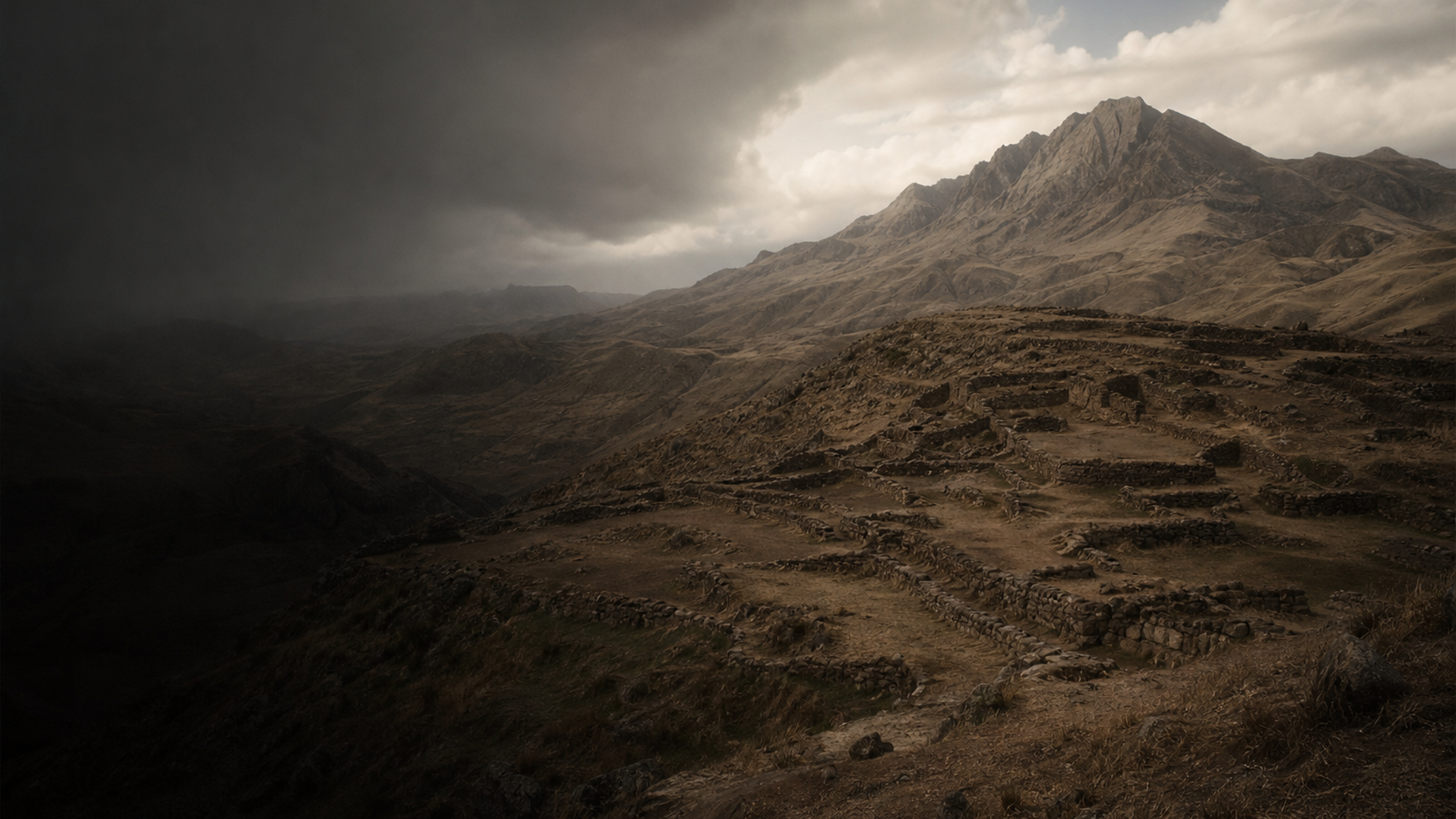
Archaeological remains evoke everyday rhythms: terraces sheared into slopes for tuber cultivation, corrals for camelids, and compact house compounds where families mended textiles and prepared stews. Excavations at Chinchawas have uncovered domestic floors and fragmented textiles that indicate skilled weaving traditions; textile styles may carry motifs or techniques traceable to coastal exchange, suggesting craftsmen and goods moved along Andean corridors. Zooarchaeological and botanical remains (where preserved) point to mixed farming economies adapted to altitude — quinoa, potatoes, and herded llamas and alpacas — providing caloric and transport resources. Burial contexts, although few, offer intimate glimpses: interments appear to contain personal ornaments and clothing fragments that reflect identity markers, craft specialization, and possibly social differentiation. Archaeological data indicates that seasonal mobility and long-distance exchange were important: highland communities accessed marine products and exotic metals through intermediary networks, while sending camelid fiber and highland crops to lowland partners. Yet, because excavated contexts and recovered materials are limited, reconstructions of household size, political organization, and labor systems at Chinchawas remain cautious hypotheses awaiting larger datasets and collaborative study with descendant communities.