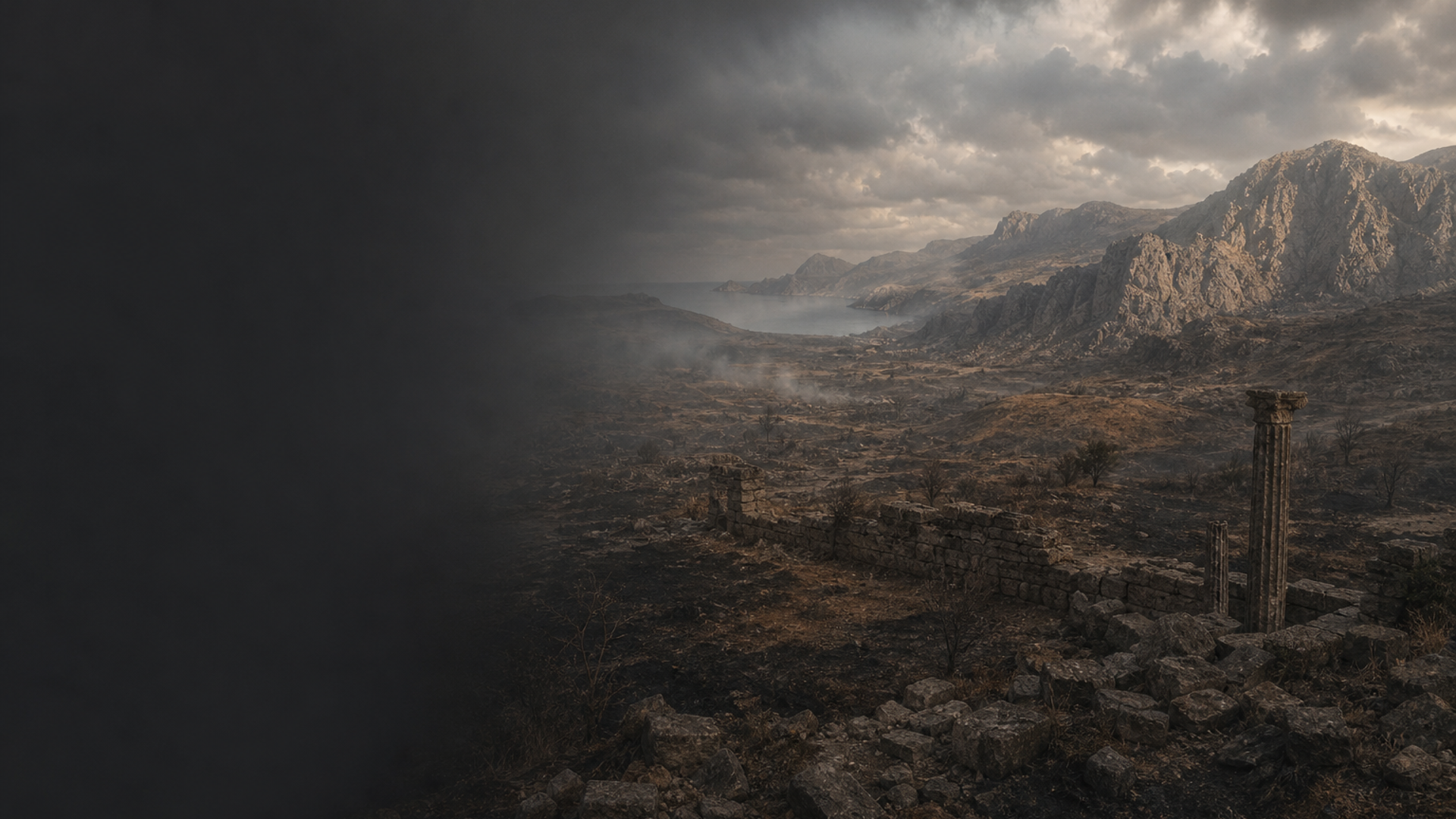
The streets of Himera, imagined in the flicker of oil lamps and the salt wind from the sea, would have been a mosaic of Greek temples, workshops, and domestic quarters. Archaeological remains — houses, storage pits, imported amphorae, and local wares — reveal a community engaged in agriculture, craft production, and maritime commerce. Grain, olives, and wine likely formed agricultural staples, while trade brought goods and people from mainland Greece, the central Mediterranean, and beyond.
Grave goods and funerary architecture recovered from cemetery contexts indicate social differentiation: some burials contain rich imports, while others remain modest. Inscriptions and material culture attest to Greek political and religious institutions operating alongside enduring local traditions. Osteological evidence from cemetery populations shows varied diets and health profiles, reflecting a mixed economy and different life paths across the populace.
Archaeological data indicate that the city’s social life was abruptly disrupted in 409 BCE. The destruction layer preserves a snapshot — homes burned, valuables buried in haste, and people killed in the conflict — offering a rare moment where material culture and genetic data converge to illuminate the lived experience of a city at war.