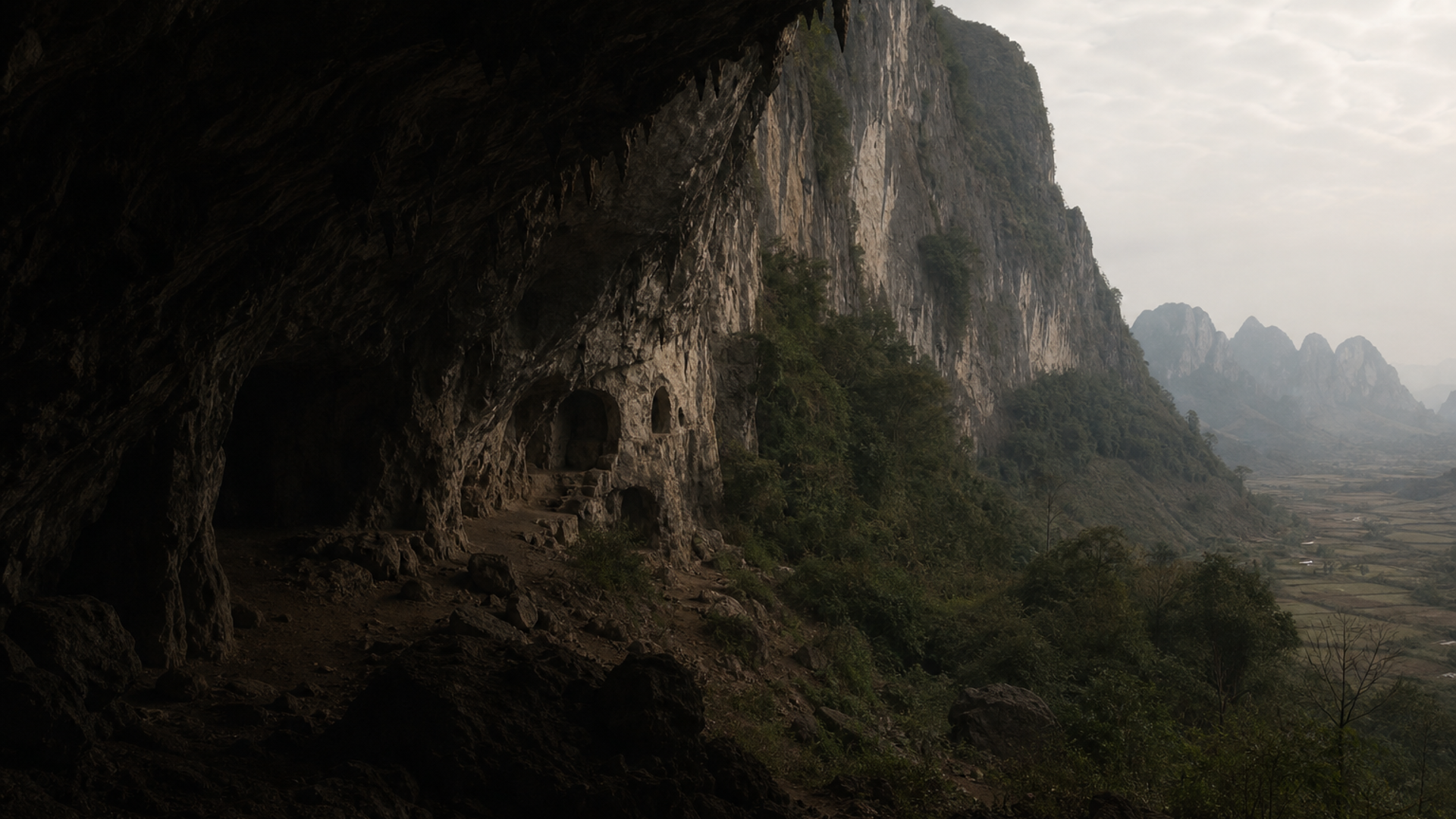
Ancient DNA extracted from the Huaqiao individual reveals mitochondrial haplogroup G1. Haplogroup G1 is part of a maternal lineage found in East Eurasia; its broader modern and ancient geographic distribution includes pockets in Northeast and East Asia and, at lower frequencies, parts of northern and eastern China. The presence of G1 in a Ming‑era individual from Guangxi suggests continuity of broadly East Asian maternal lineages into southern China, but the signal must be read with caution.
Crucially, only one individual was sequenced (sample count = 1). When sample sizes fall below ten, population‑level inferences are preliminary: a single mtDNA result can reflect personal ancestry, maternal lineage movement, or rare lineage survival rather than a dominant regional pattern. No Y‑chromosome data are reported for this sample, so paternal lineages and sex‑biased migration remain unknown. Genetic affinities inferred from mtDNA alone cannot resolve complex admixture or demographic events; genome‑wide data from additional individuals across Guangxi and neighboring provinces would be required to test hypotheses about continuity with modern Zhuang, Yao, Han, or other groups.
Archaeology and genetics together provide the richest narrative: the cave context situates the individual in Ming‑era Guangxi, while the mtDNA assignment offers a maternal thread connecting this person to wider East Asian genetic landscapes. Yet the tapestry remains incomplete until more threads are sampled.