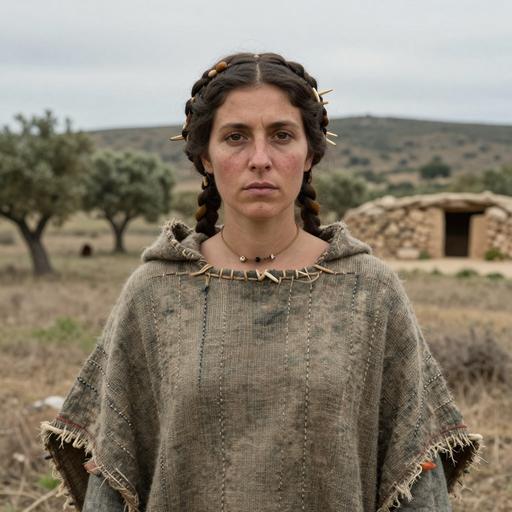
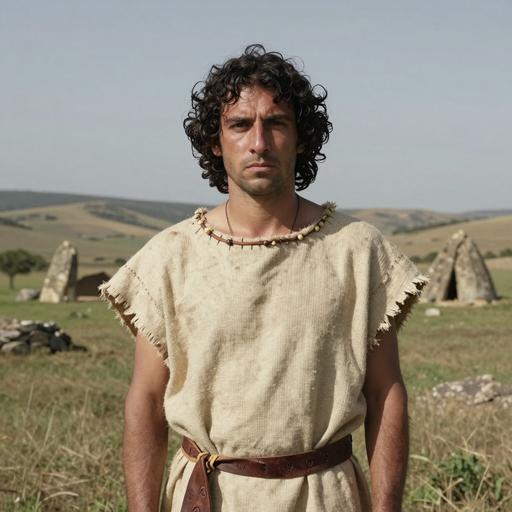
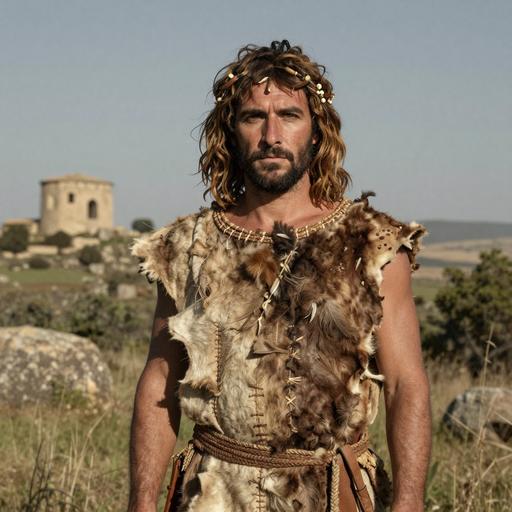
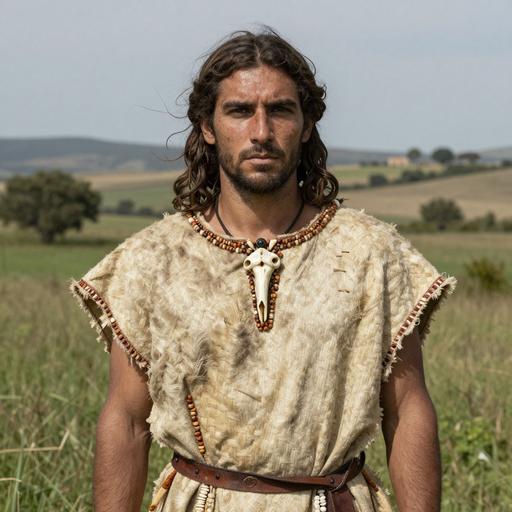
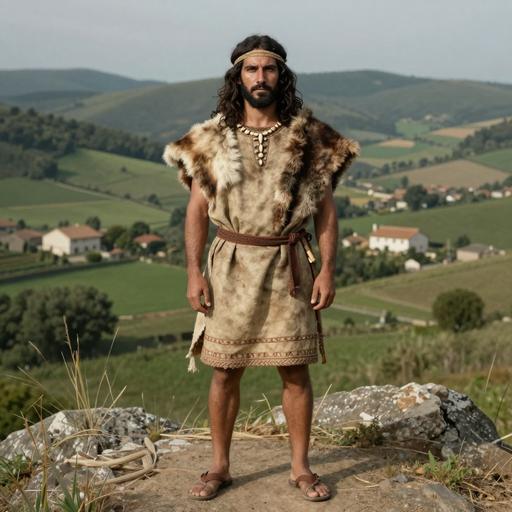
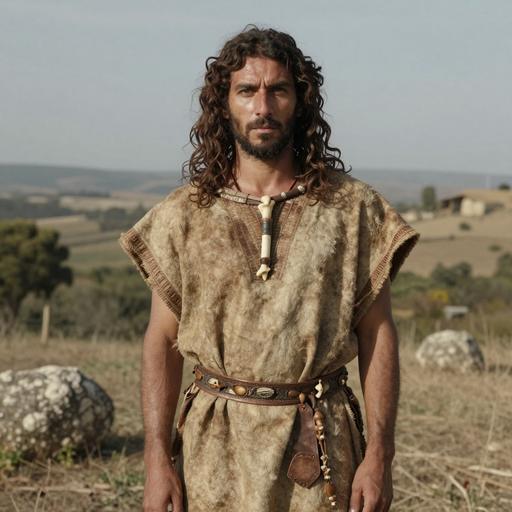
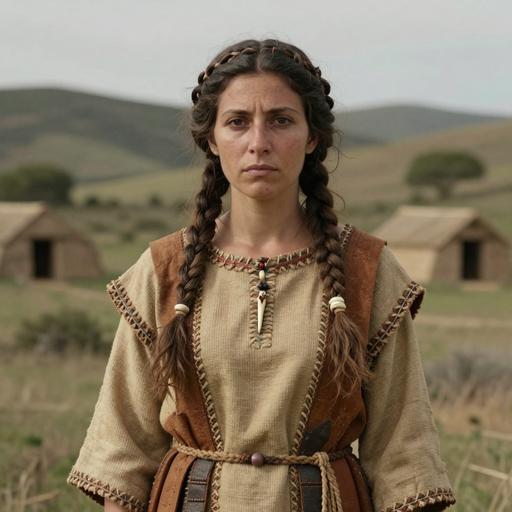
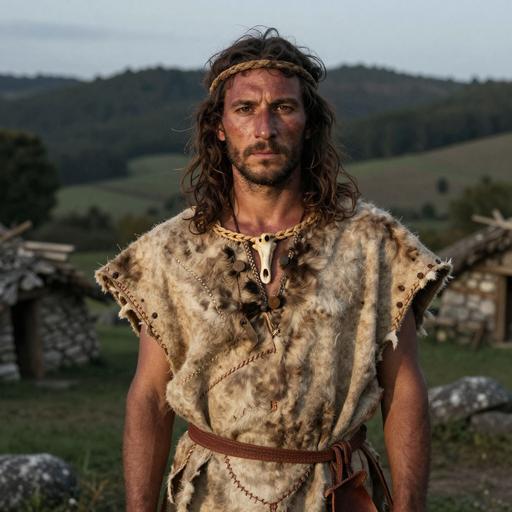
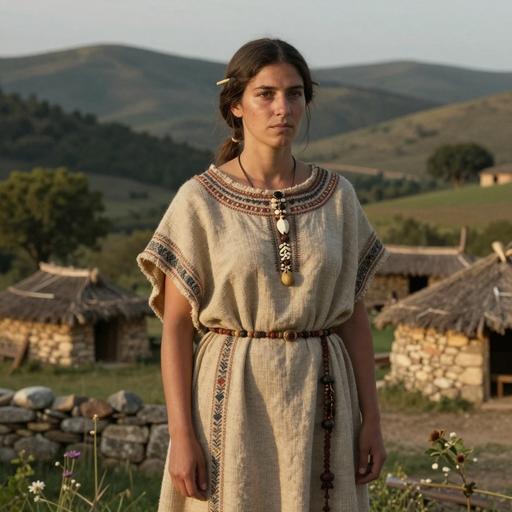
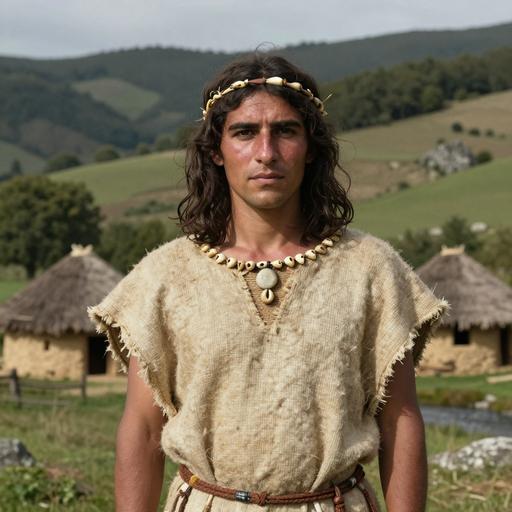
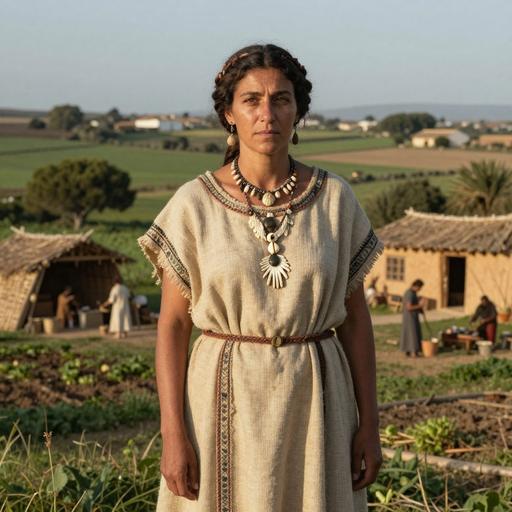
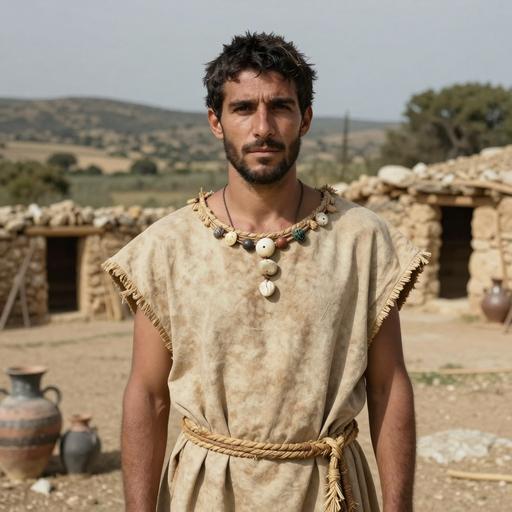
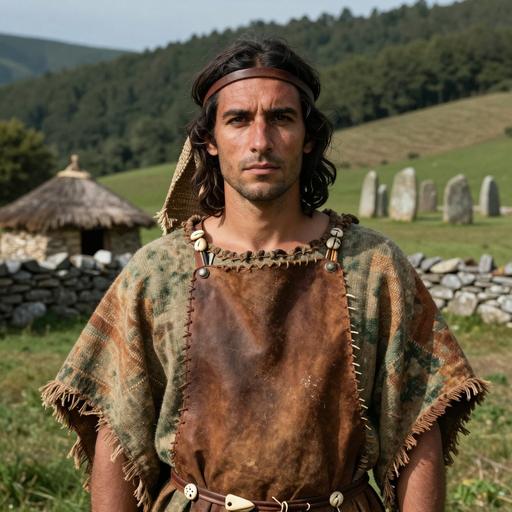
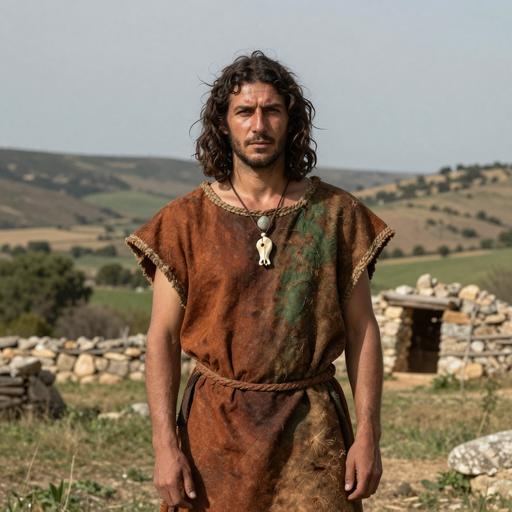
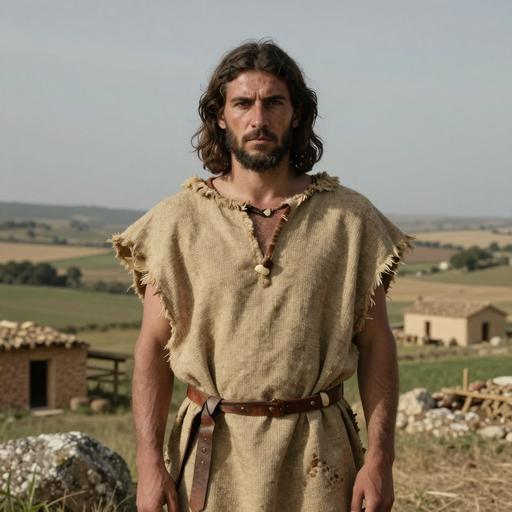
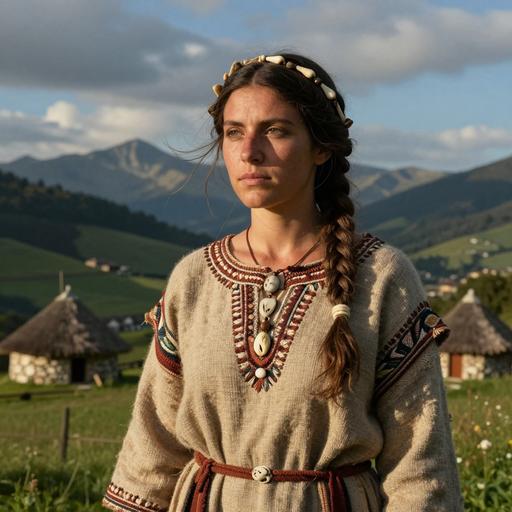
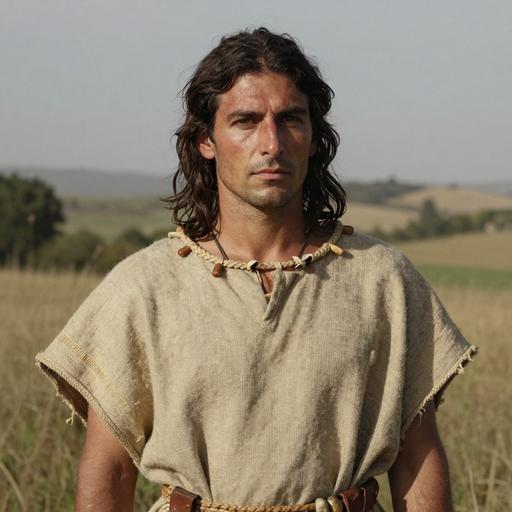
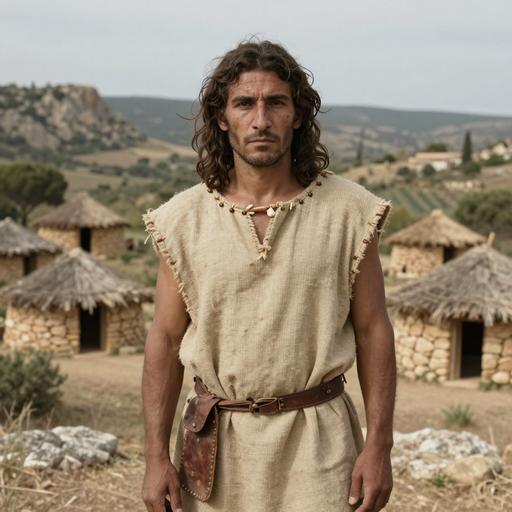
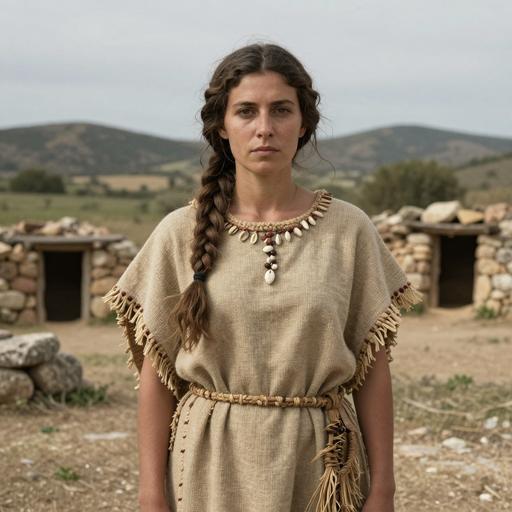
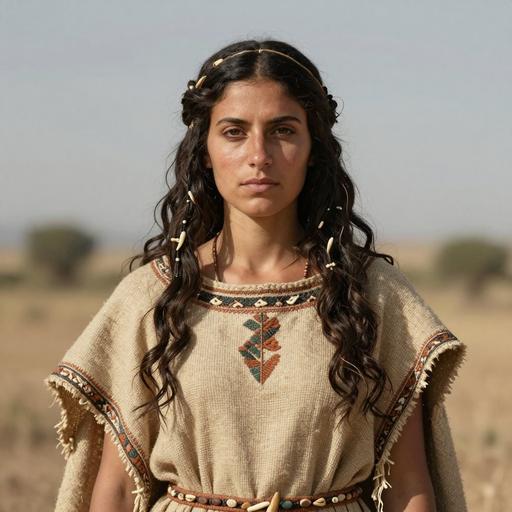
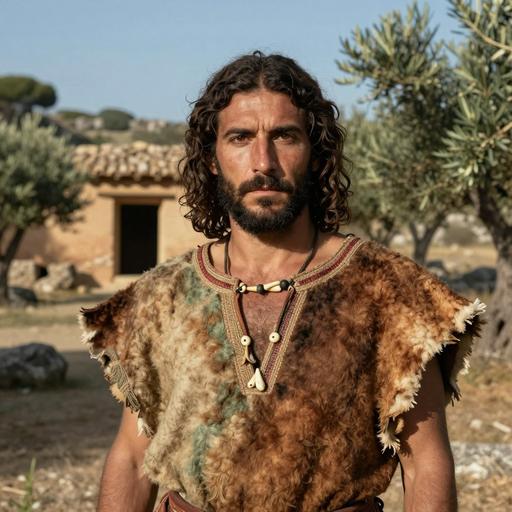
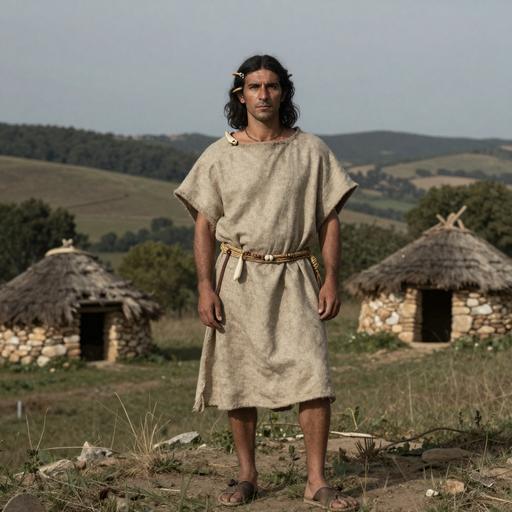
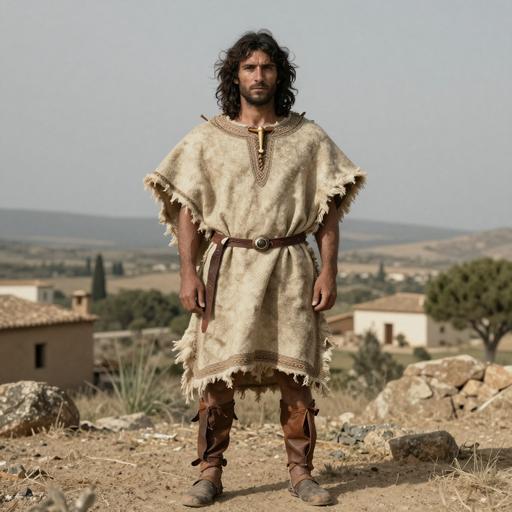
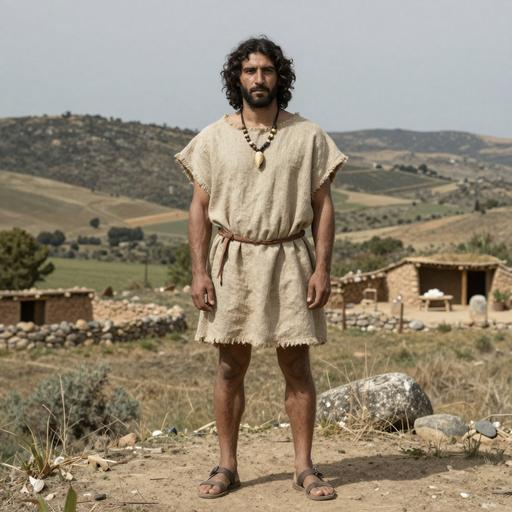
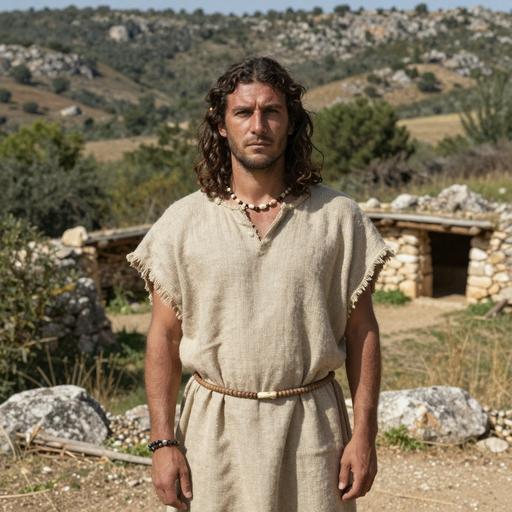
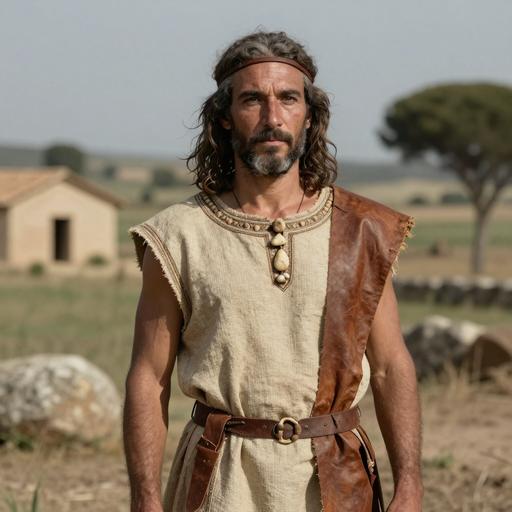
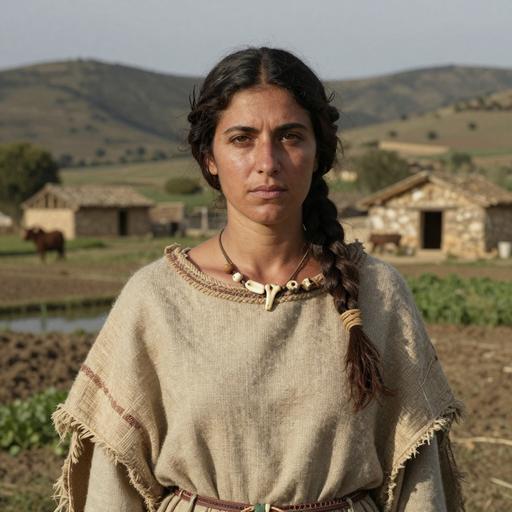
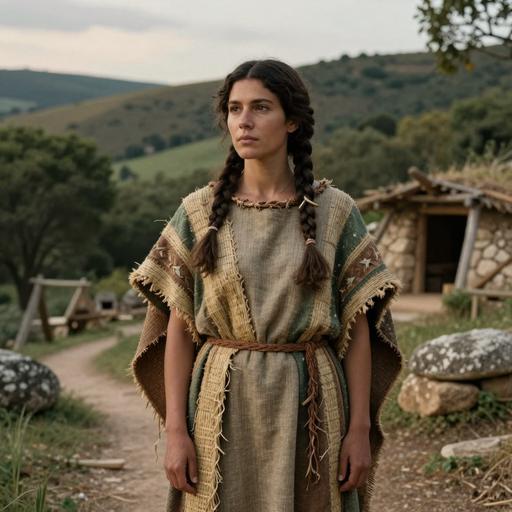
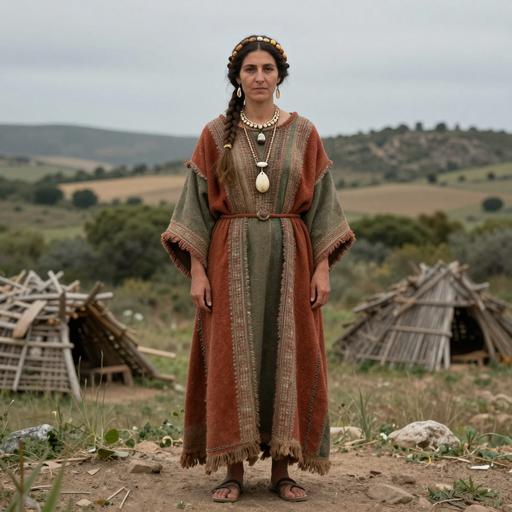
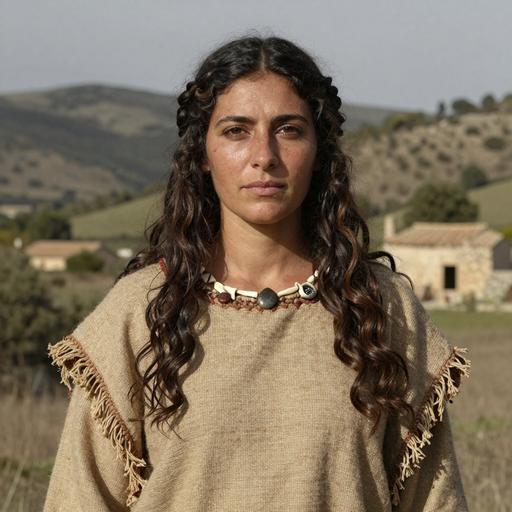
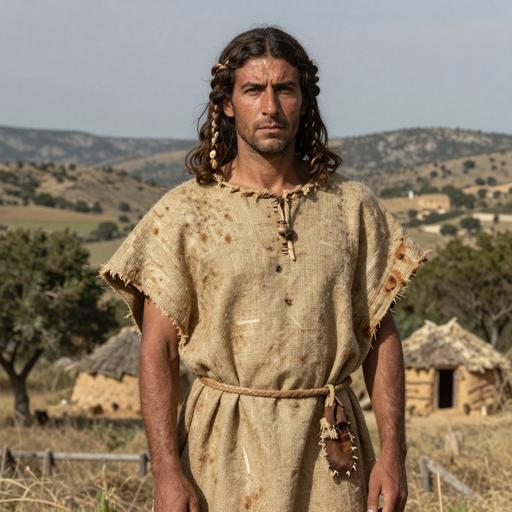
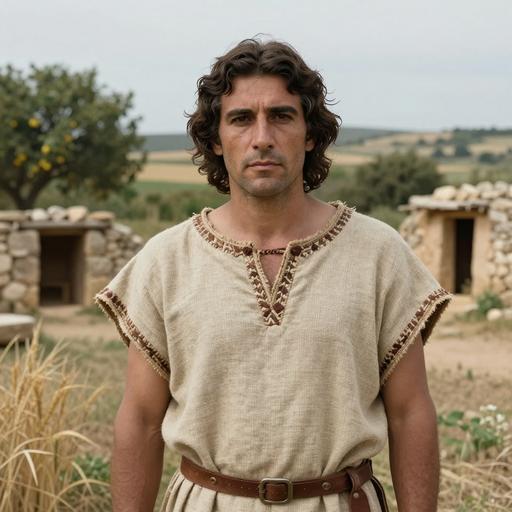
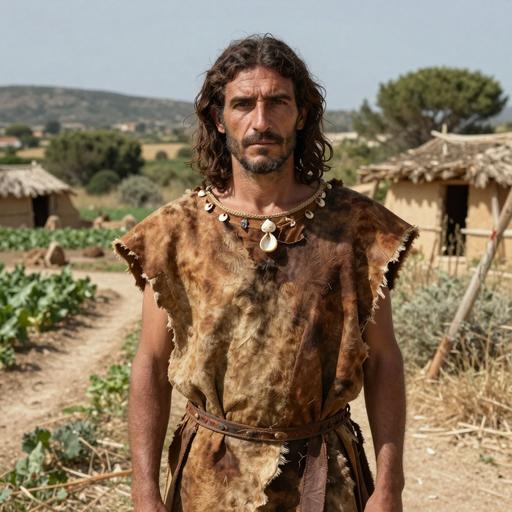
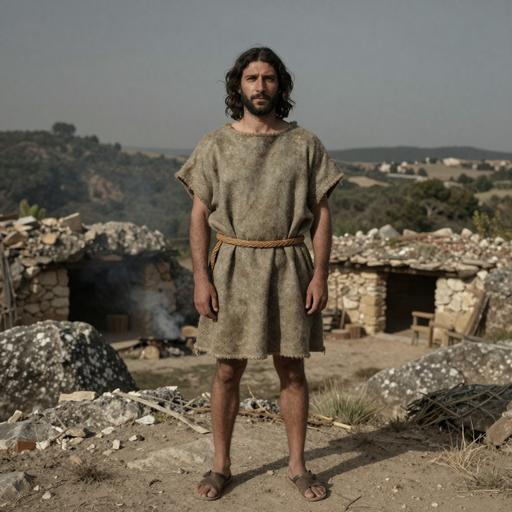
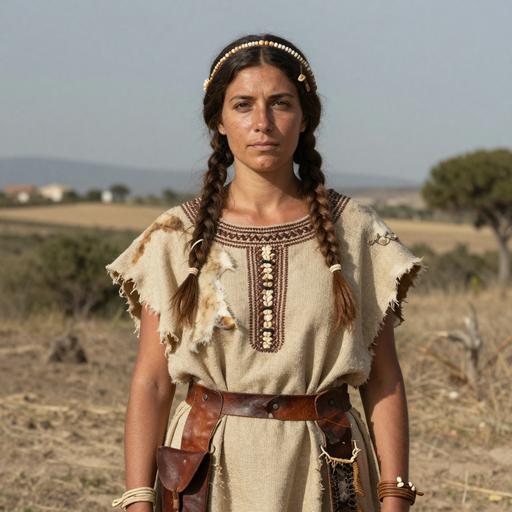
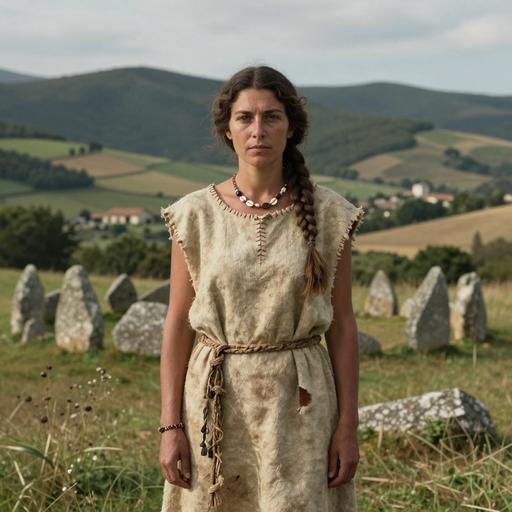
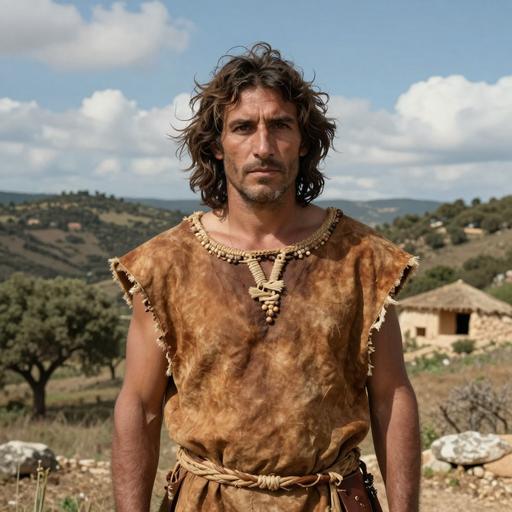
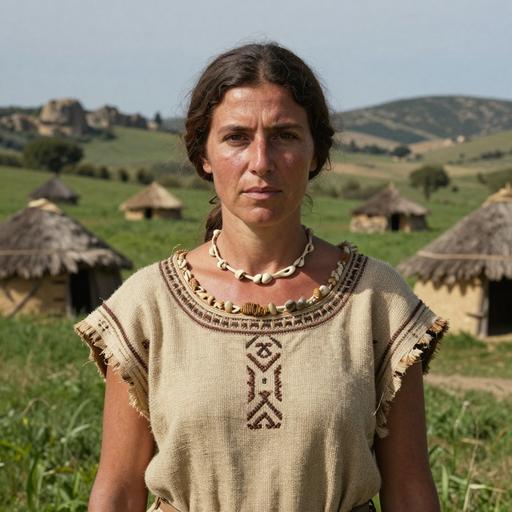
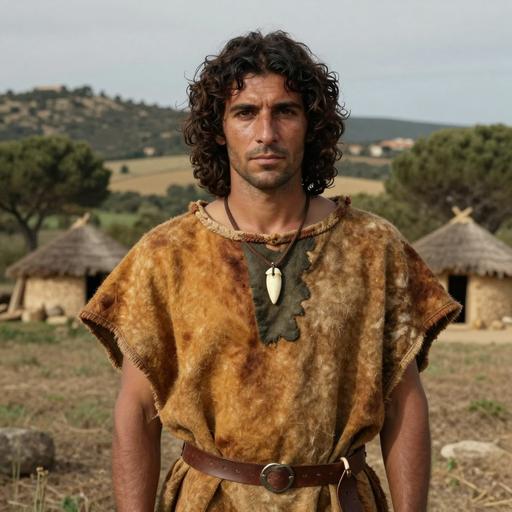
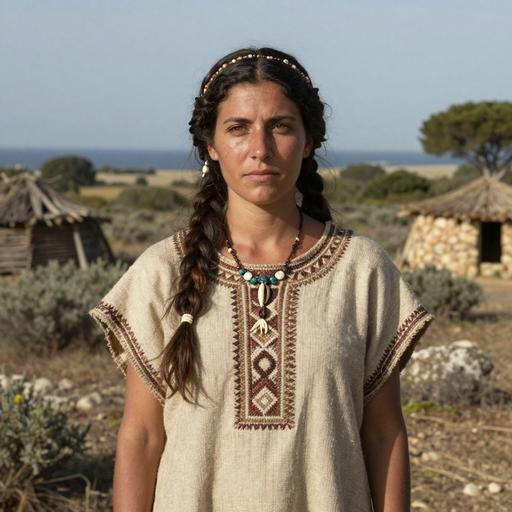
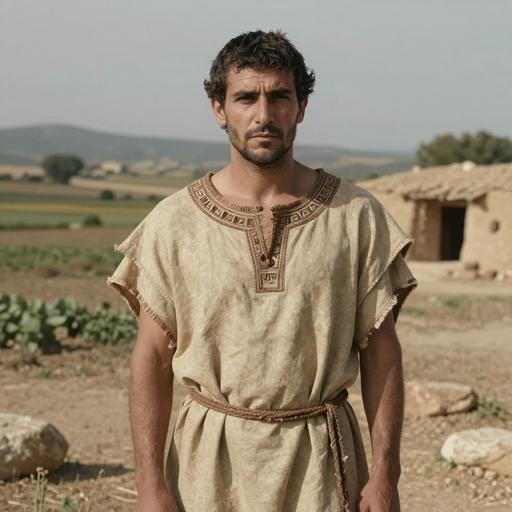
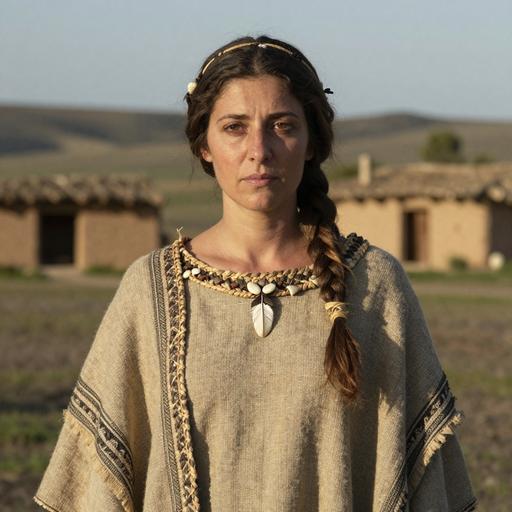
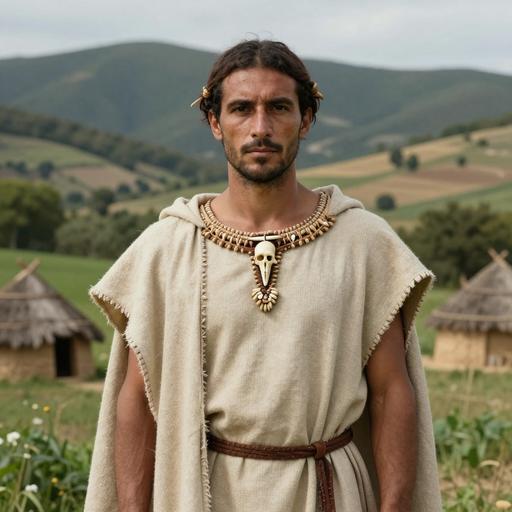
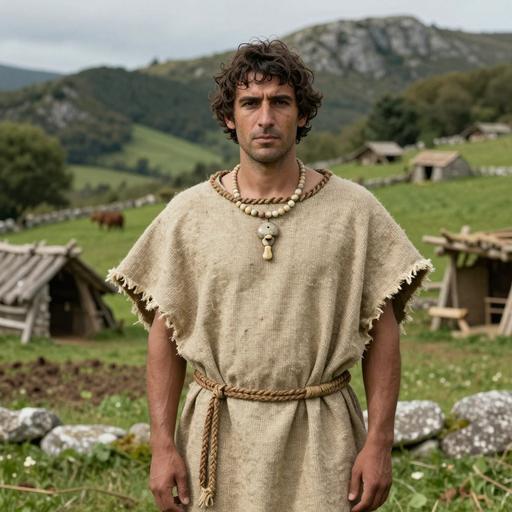
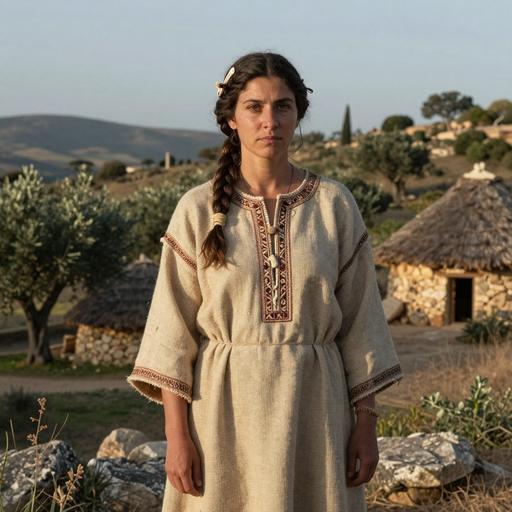
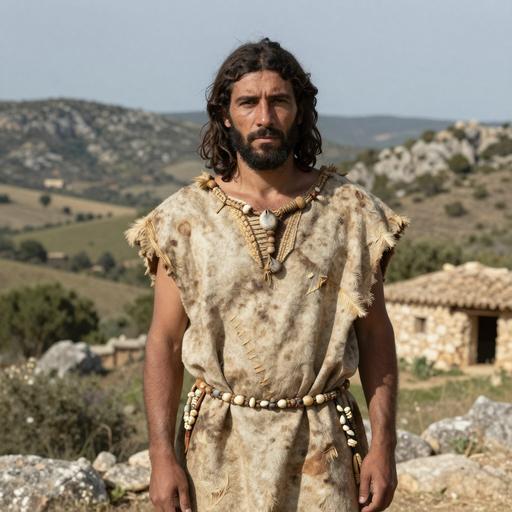
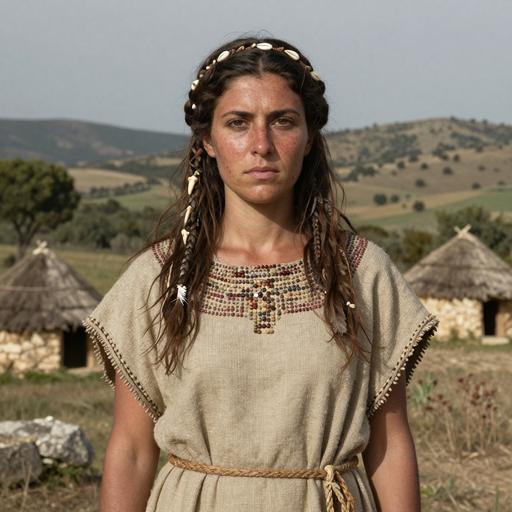
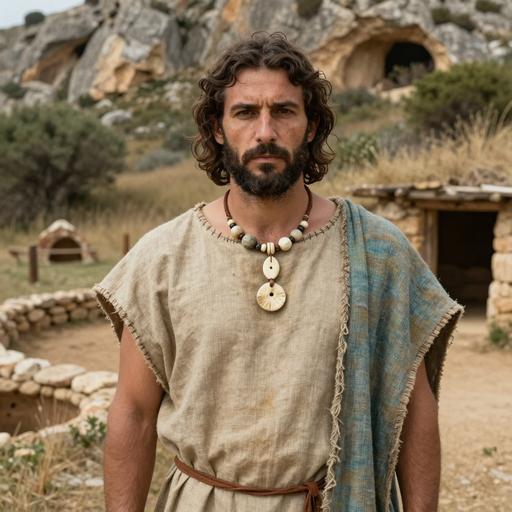
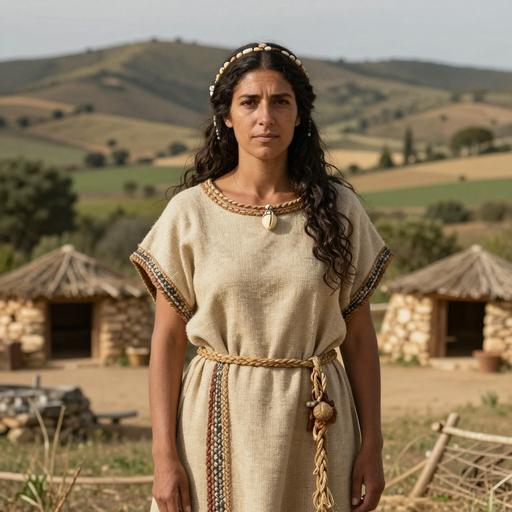
Daily life in Neolithic Iberia was shaped by new foodways and older landscapes. Archaeobotany and zooarchaeology from sites such as Campo de Hockey and the caves of the Pyrenees record cereals (emmer, einkorn, barley), pulses, sheep, goats and cattle—introductions associated with early farmers—alongside continued exploitation of wild resources in upland and coastal contexts. Pottery styles, grave goods and house plans vary by region, indicating diverse local traditions.
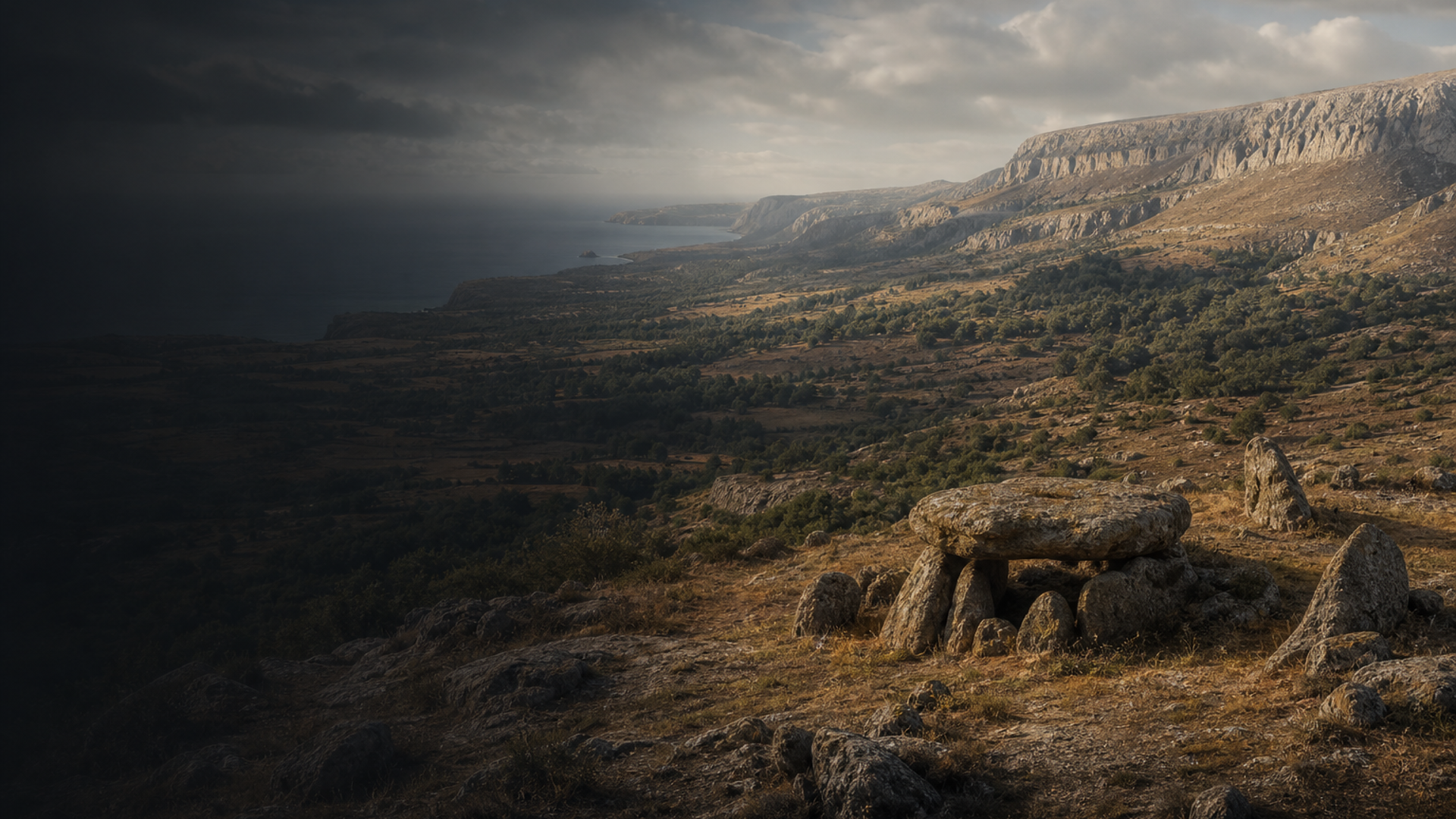
Cave burials (Cova de Els Trocs, Cova de la Guineu) and megalithic tombs (La Chabola de la Hechicera) attest to evolving ritual and ancestral practices. Community size likely ranged from small farming hamlets to larger seasonal aggregation sites; archaeological indicators—storage pits, hearths, and communal tombs—point to coordination of labor and shared ritual life.
Sex- and age-specific burial treatments are visible at several funerary sites, hinting at differentiated social roles, though how these map onto household leadership or kinship remains debated. Trade in stone, shells and exotic materials connected coastal and interior communities, producing networks visible in the distribution of artifacts and, in genetic terms, in shared ancestry components across distant sites.