Menu
Store
Blog
Iceland

Iceland — Early Christian Era

Archaeology and DNA illuminate the island's fragile post-conversion communities

1050 CE - 1750 CE
Scroll to begin
Chapter I

The Story

Understanding the Iceland — Early Christian Era culture

Archaeological finds from Skeljastadir, Kopavogur, and Fossvellir (c. 1050–1750 CE) paired with three ancient genomes reveal preliminary signals of Norse male lineages (Y-R) and mixed maternal ancestry (J, H1, HV). Limited samples make conclusions tentative.

Time Period

c. 1050–1750 CE

Region

Iceland

Common Y-DNA

R (3)

Common mtDNA

J, H1, HV

Chapter II

Timeline

Key moments in the history of this culture

1000 CE

Conversion to Christianity (approx.)

Around 999–1000 CE, Iceland formally adopted Christianity, a shift reflected in church sites and burial practices.

Chapter III

Origins & Emergence

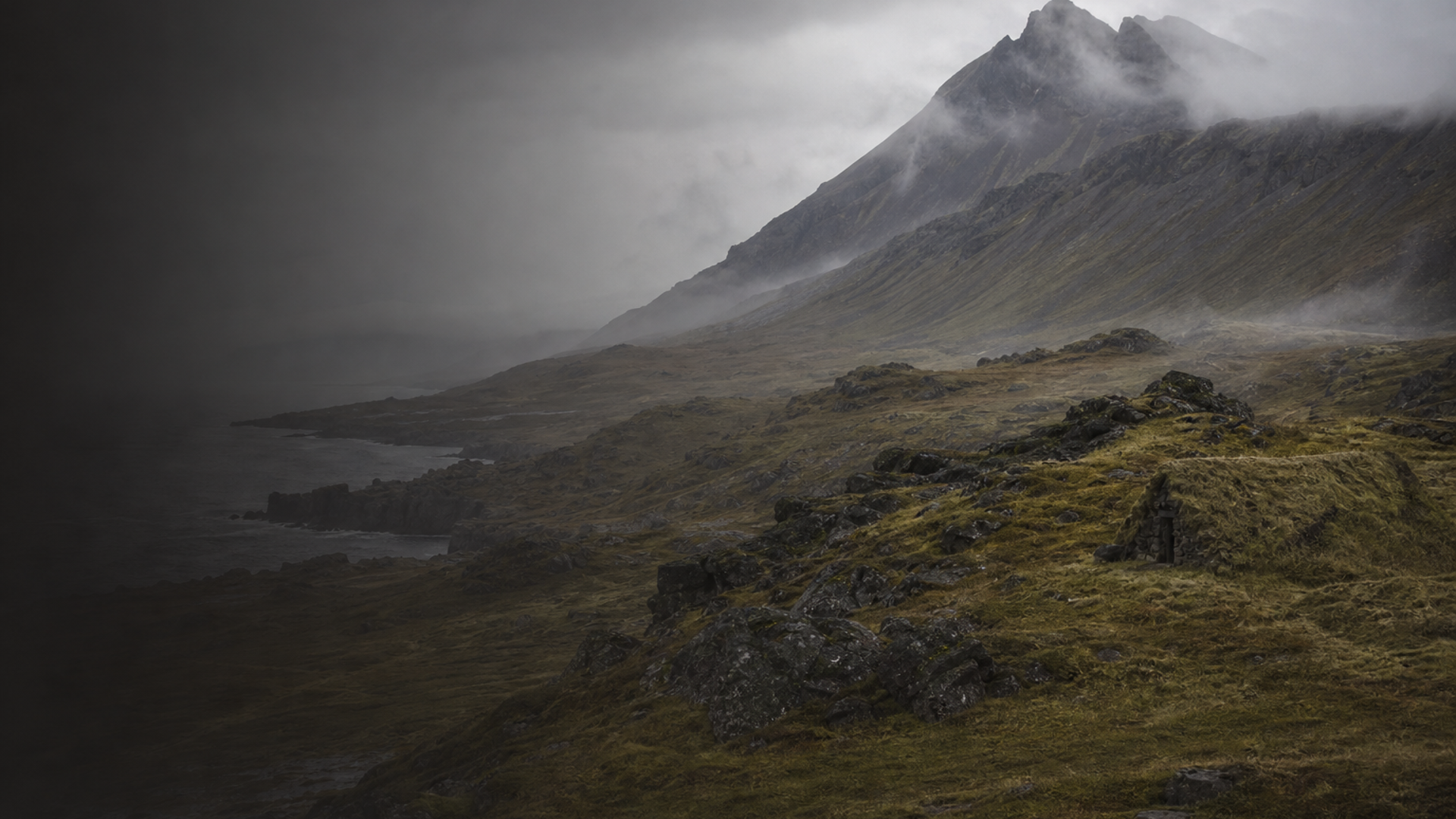
The Early Christian period in Iceland unfolds like a landscape frozen between two worlds: lingering Norse material culture and the newly adopted Christian liturgy. Archaeological data indicates continuity of Norse settlement patterns established in the 9th–10th centuries, while churches and consecrated burial grounds begin to appear in the archaeological record after c. 1000 CE. The three sampled individuals (Skeljastadir, Kopavogur, Fossvellir) date between 1050 and 1750 CE and therefore sit within a long era of religious, legal, and social transformation.

Limited evidence suggests that communities retained strong maritime ties, seasonal mobility for fishing and trade, and farm-based economies centered on longhouses and outbuildings. Graves and churchyard contexts from sites such as Fossvellir (near Þingvellir) show Christian burial orientations and increasingly standardized practices, contrasting with earlier pagan rites. While material culture—wooden architecture, imported goods, and local metalwork—speaks to everyday continuity, the archaeological record also records subtle shifts in status markers as Christianity reoriented ritual life.

Because only three genomes are available for this period, any model of population origin or change remains preliminary. Archaeological contexts give us firm anchors in place and time; the genetic snapshots hint at ancestry directions but require larger sample sets to resolve migration, kinship, and social structure with confidence.

  • Settlement continuity from Viking Age into the High and Late Middle Ages
  • Christian churches and graveyards appear post-conversion (c. 1000 CE)
  • Only three genome samples—interpretations remain preliminary
Chapter IV

Daily Life & Society

Everyday life in Early Christian Iceland balanced austerity and connection: clustered farmsteads, coastal activity, and visits to the assembly sites that anchored legal life. Archaeological excavations at rural sites reveal turf foundations, hearths, storage pits, and middens rich with fish bone and domestic waste—evidence of a diet weighted toward marine and pastoral resources. Church sites and adjacent cemeteries became focal points for community identity, ritual observance, and the recording of disputes.

Material culture—metalwork, pottery fragments, bone tools—reflects long-standing Norse craft traditions with occasional imported wares that testify to North Atlantic trade networks. Written sources, like the sagas and laws, document the Althing at Þingvellir as a social and judicial epicenter; archaeology around Fossvellir corroborates ritualized landscape use.

Kinship shaped landholding and social rank. Burial goods and grave orientations at the sampled sites show Christian mortuary customs, yet regional variation persisted. Combined archaeological and genetic approaches can illuminate household composition, patrilineal descent, and mobility, but here the genetic sample is too small to draw firm conclusions about inheritance or social stratification across the island.

  • Farmsteads, coastal economy, and churchyard-centered communities
  • Archaeological evidence supports a diet of fish and pastoral products
Chapter V

Genetic Profile

The genetic dataset for Iceland_Early_Christian comprises three ancient individuals from Skeljastadir, Kopavogur, and Fossvellir (dated between 1050–1750 CE). All three male samples carry Y-DNA haplogroup R, a broad clade common across northern and western Europe. Without deeper subclade resolution in this small dataset, it is not possible to assign these chromosomes to specific Norse or continental branches; such assignments would require higher-resolution sequencing or larger comparative sets.

Mitochondrial lineages observed—J, H1, and HV—are widespread in West Eurasia. In the broader literature on Icelandic origins, maternal haplogroups often show signals consistent with both Scandinavian and British/Irish contributions; here, limited evidence suggests mixed maternal ancestry is present but cannot be taken as definitive for population-wide patterns. The date range spanning seven centuries also means that later demographic processes (drift, founder effects, and later contacts) could influence observed haplogroup frequencies.

Because sample count is below 10, all genetic inferences must be framed as preliminary. These genomes provide valuable anchors that align with archaeological contexts, but robust reconstructions of kinship networks, migration pulses, or sex-biased admixture require far more samples across time and space. Future targeted sampling at known cemeteries and integration with isotopic mobility studies will clarify how these genetic signals map onto the island's social history.

  • All three males carry Y-DNA haplogroup R; subclade assignment not resolvable here
  • mtDNA diversity (J, H1, HV) hints at mixed West Eurasian maternal ancestry; conclusions are preliminary
Chapter VI

Legacy & Modern Connections

The Early Christian period contributed cultural and genetic threads to the tapestry of modern Iceland. Archaeology preserves the architecture of belief—church foundations, consecrated graveyards, and objects of devotion—while ancient genomes offer snapshots of ancestry during a formative era. Modern Icelandic populations are often characterized by a strong genetic continuity punctuated by founder effects; genomes from 1050–1750 CE help bridge the archaeological past with contemporary diversity.

However, due to the very small ancient sample set, it is important to avoid overstating direct continuity from these three individuals to all modern Icelanders. Instead they should be seen as pilot data that, when combined with broader palaeogenomic studies and isotopic evidence, can reveal patterns of migration, marriage networks, and the long-term effects of isolation and drift. For museum displays and public engagement, pairing evocative archaeological objects from Skeljastadir, Kopavogur, and Fossvellir with transparent explanations of what the DNA can—and cannot—tell us will best communicate the scientific story.

  • Provides bridge between archaeological record and modern Icelandic genetics
  • Small sample size necessitates careful, provisional interpretation
AI Powered

AI Assistant

Ask questions about the Iceland — Early Christian Era culture

AI Assistant by DNAGENICS

Unlock this feature
Ask questions about the Iceland — Early Christian Era culture. Our AI assistant can explain genetic findings, historical context, archaeological evidence, and modern connections.
Sample AI Analysis

The Iceland — Early Christian Era culture represents a fascinating chapter in human history...

Genetic analysis reveals connections to earlier populations while showing evidence of unique adaptations and cultural innovations. The ancient DNA samples provide insights into migration patterns, social structures, and the biological relationships between ancient populations.

This is a preview of the AI analysis. Unlock the full AI Assistant to explore detailed insights about:

  • Genetic composition and ancestry
  • Migration patterns and origins
  • Daily life and cultural practices
  • Modern genetic legacy
Use code for 30% off Expires Apr 05