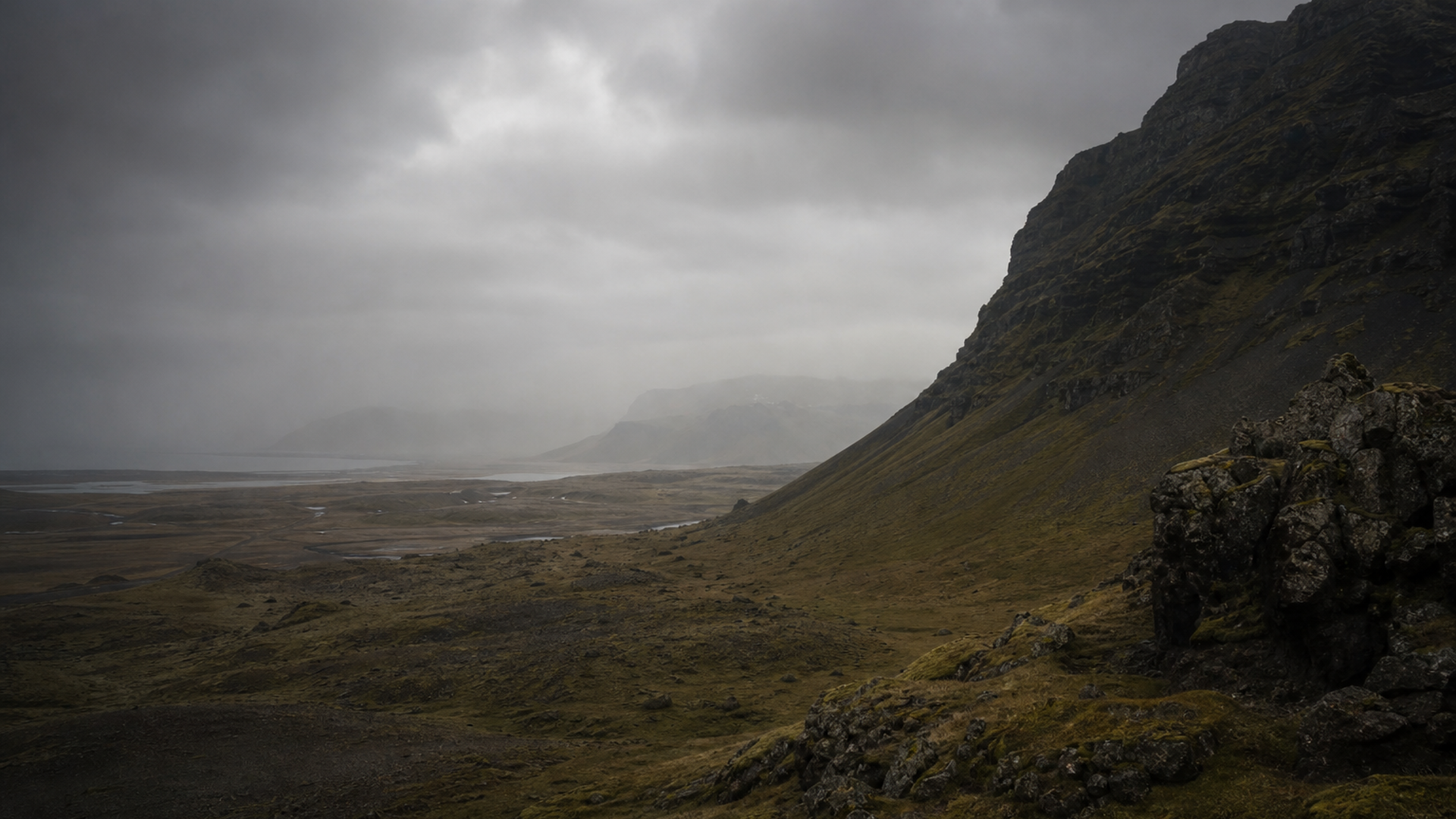
The everyday world of Icelanders in modern times is inseparable from a deep rural past. Turf houses, farm ruins, medieval churchyards, and museum collections carry traces of household economies: sheep and cattle husbandry, fishing, wool production, and localized craft traditions. Archaeological excavation of domestic sites uncovers hearths, post-holes, refuse pits, and woodworking waste that testify to skillful adaptation to a subarctic island environment.
Civic life—in towns like Reykjavík and long-standing rural parishes—reflects continuity and change. Trade networks that once brought foreign metal and pottery continue in new forms; imported goods appear in both archaeological and modern assemblages. Conservation archaeology often focuses on layers of reuse where older structural timbers or stone foundations are incorporated into later buildings, a poetic reenactment of social memory.
Archaeological interpretations of daily life are strengthened when paired with historical documents, oral histories, and ethnographic records. When available, genetic data from modern and historical samples can illuminate family structures, migration into and out of the island, and biological continuity of local communities. These intersecting lines of evidence give a fuller, human-scale portrait of life on the island at 2000 CE.