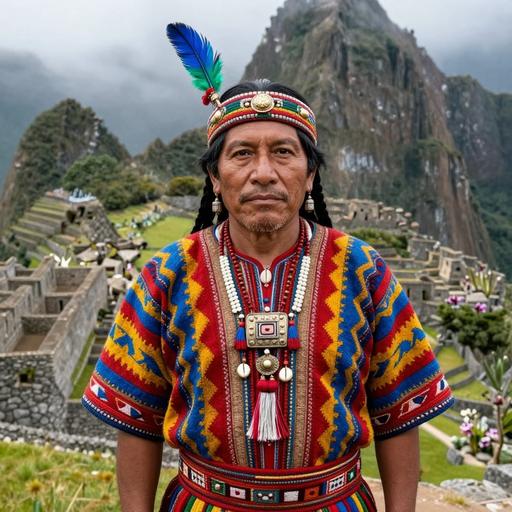
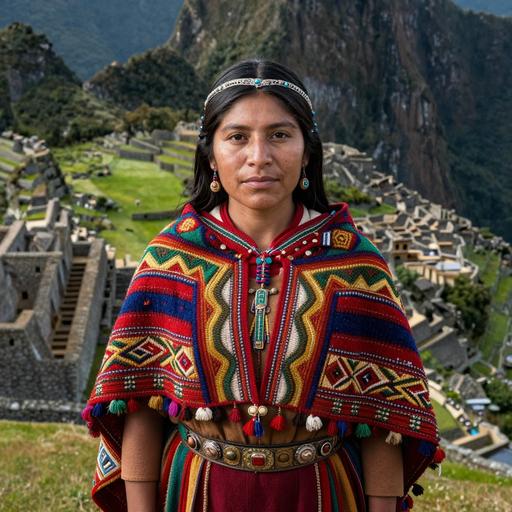
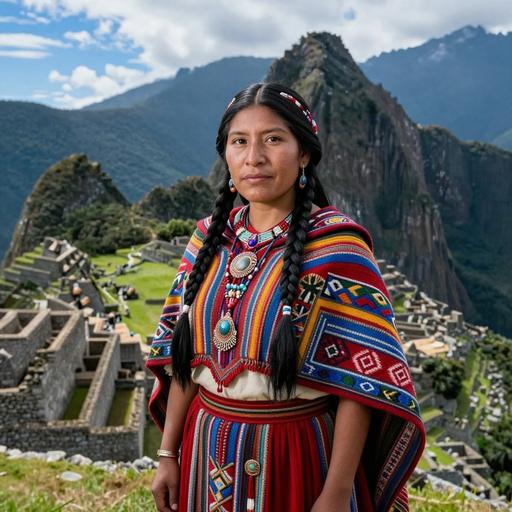
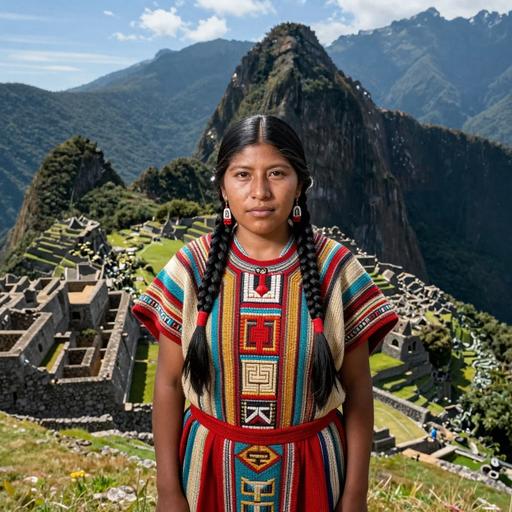
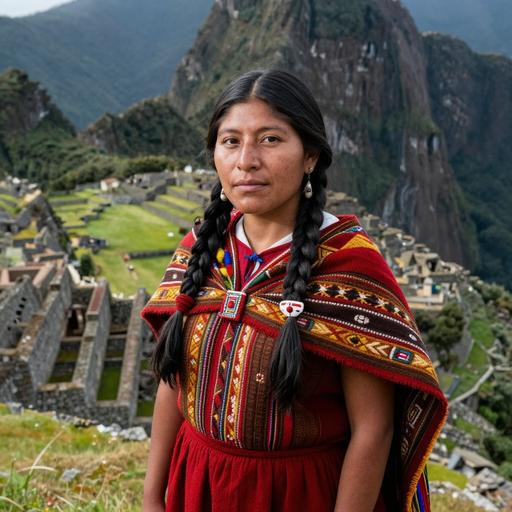
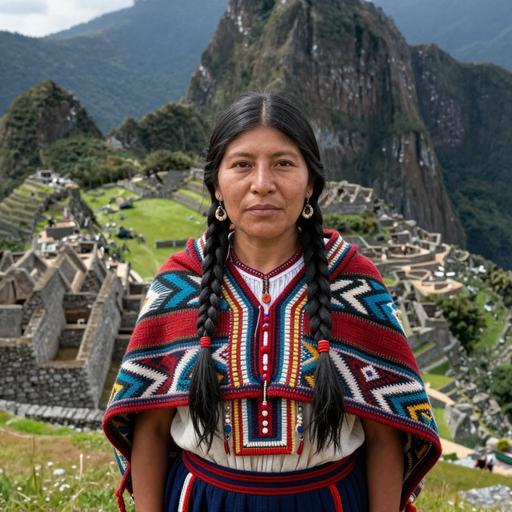
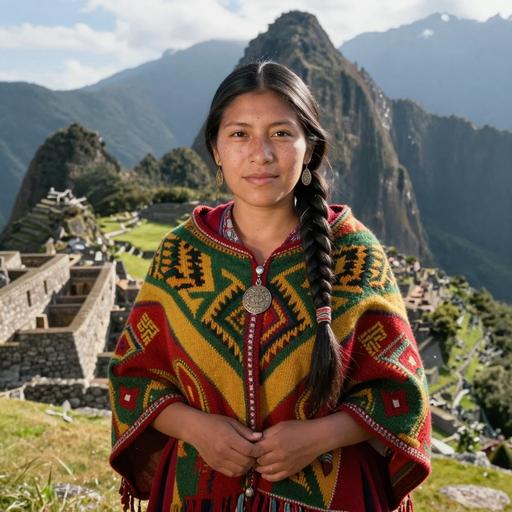
Ancient DNA from 28 individuals dated between 1040 and 1532 CE offers direct genetic windows into Inca-associated populations sampled in Peru (Machu Picchu, Cusco), Chile (Conchalí, Santiago RM) and Argentina (Cerro Aconcagua, Mendoza). The male lineages show a notable presence of Y‑DNA haplogroup Q (7 individuals), a lineage widely observed among Indigenous peoples of the Americas and consistent with deep continental ancestry. Maternal lineages are dominated by Native American mtDNA haplogroups: B2 (5), C1b (4), A (4), C (3), and B2b (3), reflecting the typical Andean maternal spectrum.
These genetic signals align with archaeological expectations of local continuity: matrilineal diversity within an indigenous framework and male lineages characteristic of First‑Peoples ancestry. However, caution is required. Although 28 samples are a meaningful contribution, geographic sampling is uneven (several sites in Cusco and just a few in Mendoza and Santiago), and some haplogroup counts are small. Limited evidence suggests regional differences in haplogroup frequencies, but those patterns remain provisional until larger, more spatially balanced datasets are available.
Importantly, these genomes predate or coincide with early colonial contact in some cases; therefore, they mostly reflect pre‑contact Andean genetic structure rather than post‑contact admixture. When combined with archaeological context, the DNA helps trace mobility, local continuity, and the threads of kinship that tied communities to specific valleys — revealing how a living empire was both built and inhabited.