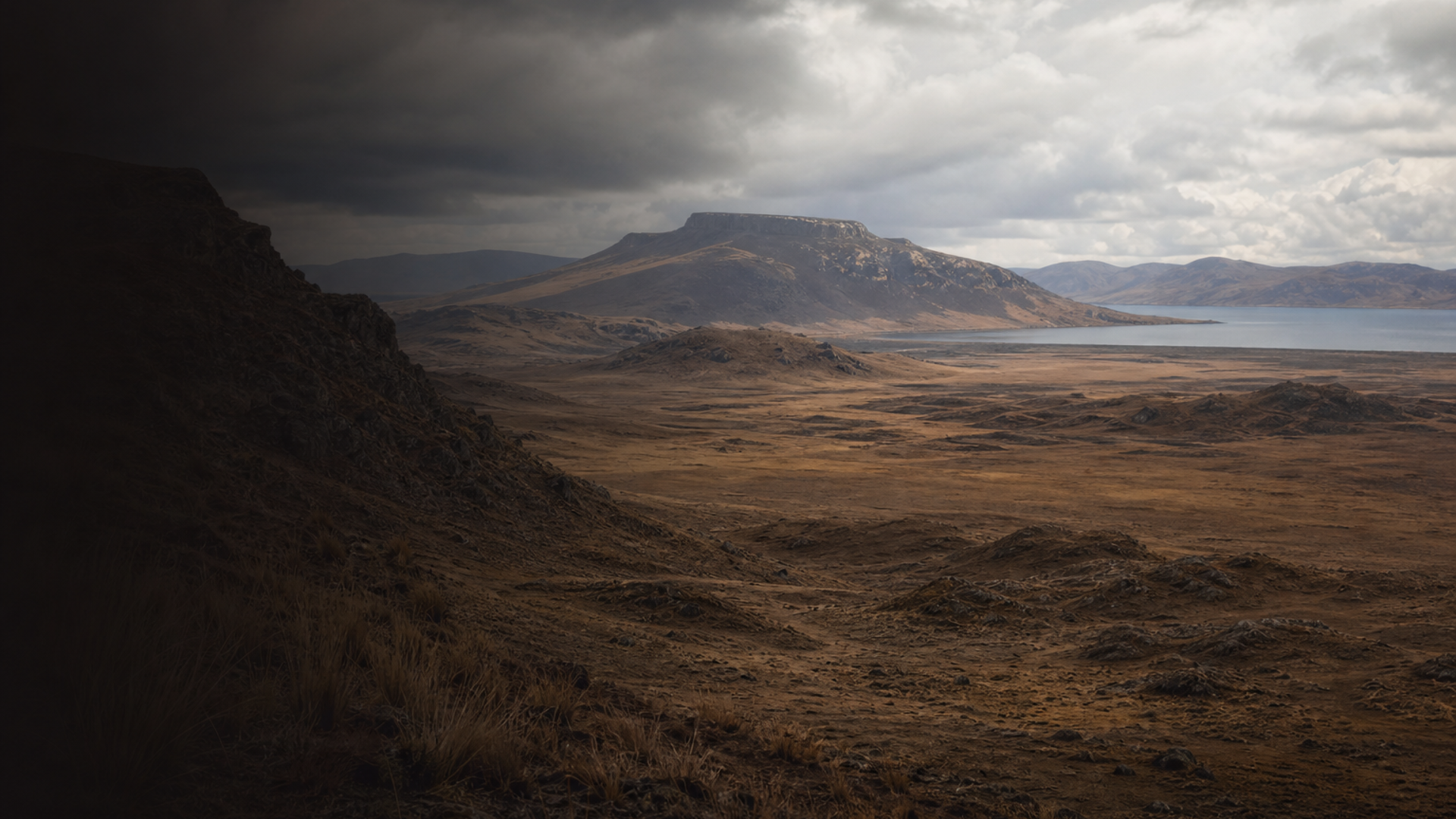
Imagine dawn over a mirror-lake, terraces etched into slopes, and reed boats slipping from shore — an evocative image consistent with ethnographic and archaeological models for Middle Horizon lifeways in the Titicaca Basin. Archaeological data indicates communities combined highland agriculture (potatoes, tubers, quinoa), camelid pastoralism, and engineered wetlands to sustain relatively dense populations. Storage features, middens, and ceramic assemblages at analogous sites point to seasonally organized production and long-distance exchange in obsidian, textiles, and ritual goods.
Social organization during this era could have included community-level leaders, ritual specialists, and ties to wider political-religious systems centered on lake shrines and monumental precincts. Craft specialization is suggested by stylistic ceramic variation and textile techniques seen across the region, but assigning these directly to the Iroco label is tentative given limited archaeological characterization.
Daily life would also have been shaped by verticality — seasonal movement between valley plots and higher puna pastures — and by a cosmology attentive to water, mountain spirits, and ancestral places. The single genetic sample cannot reconstruct household composition or social rank, but when paired with future archaeological sampling it may illuminate who participated in these economic and ritual networks.