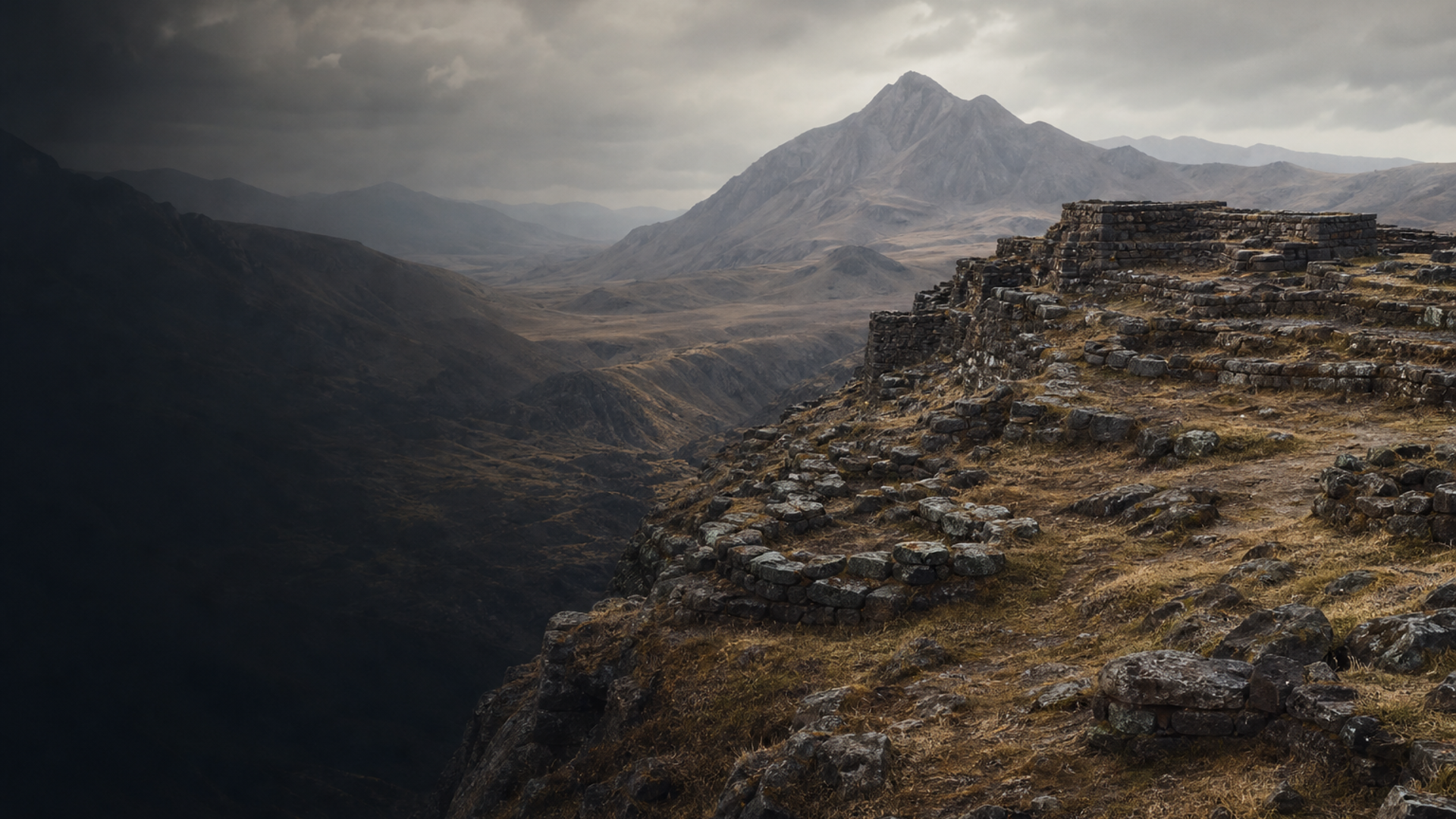
The period between 1150 and 420 BCE in the Armenian Highlands is a time of transformation. Following the upheavals at the end of the Late Bronze Age, local communities reconfigured social landscapes: fortified settlements grew on hilltops, metalworking intensified, and new burial patterns spread across valleys and plateaus. Archaeological data from named cemeteries — Bover Cemetery, Pijut Archaeological Complex, Bragdzor cemetery, Noratus and Sarukhan — provide a patchwork of mortuary evidence and material culture that speak to regional identities forming during the Early Iron Age.
Excavations show continuity with Bronze Age traditions alongside novel influences from neighboring Anatolia and the Zagros. Limited but telling indicators—grave orientations, weapon fragments, and pottery types—suggest households and networks that balanced pastoral mobility with emerging craft specialization. Chronologically, these sites sit within a broader timeline that includes the rise of regional polities in the 1st millennium BCE; archaeologists often link material change in eastern Anatolia and the southern Caucasus with changing trade and political connections.
Archaeological data indicates a landscape of resilient highland communities negotiating long-distance ties. While the material record sketches broad patterns, the integration of ancient DNA gives a complementary line of evidence to test models of continuity, migration and exchange.