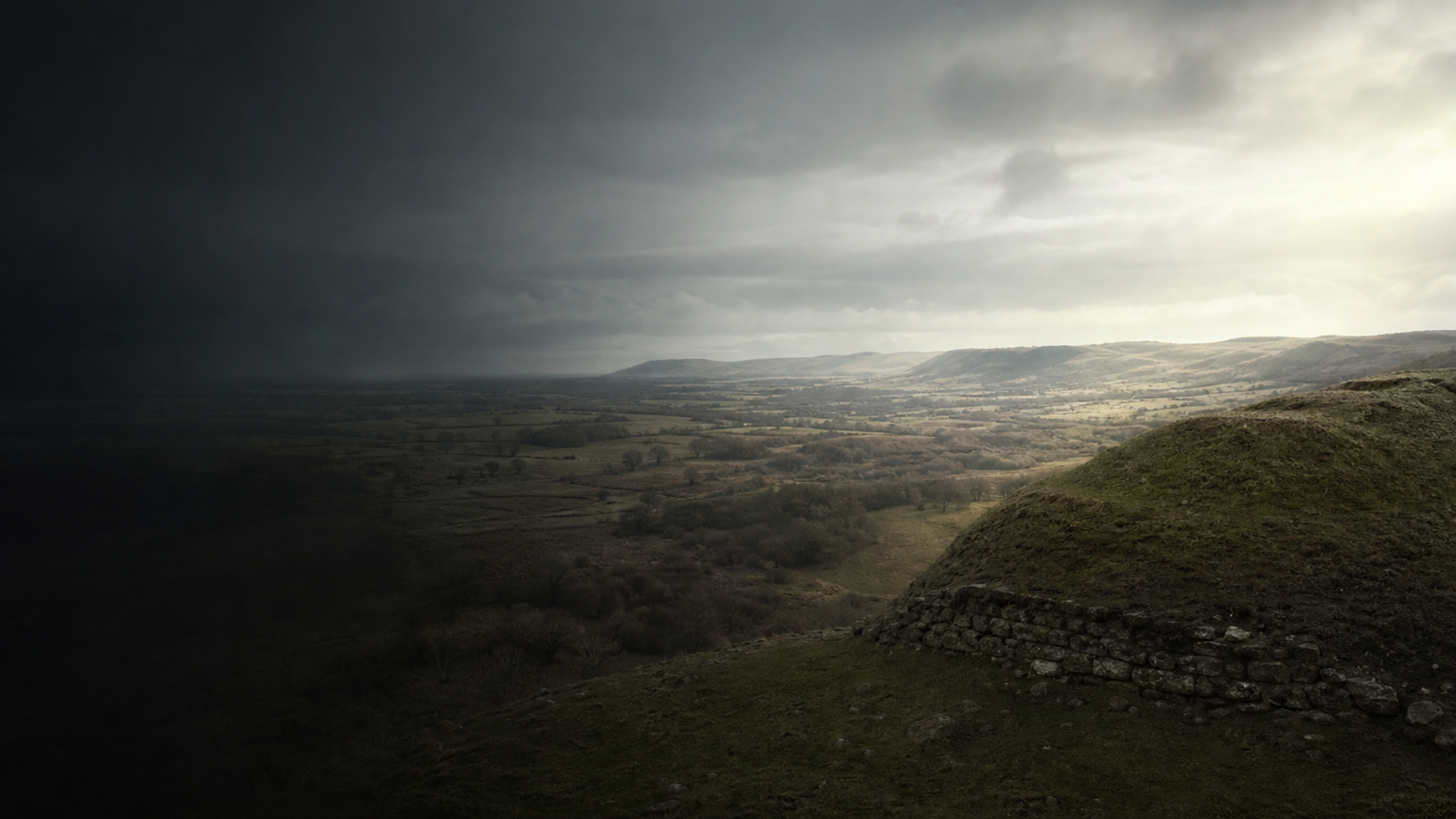
Daily life in Iron Age England was shaped by seasonal agriculture, animal husbandry, and craft production. Archaeological excavations at sites such as North Ferriby and Hinxton reveal domestic structures, storage pits, and evidence of metalworking and textile production. Coastal locations—Padstow, Harlyn Bay and Tregear Vean—point to active maritime economies: fishing, salt-working, and exchange of goods along the Atlantic seaways. Grave goods and burial architecture vary widely across the sampled sites, reflecting diverse social practices: some communities favored inhumation, others cremation, and grave assemblages range from utilitarian tools to personal ornaments.
Social organization was multi-scalar: household groups formed the basic economic unit, while wider networks of exchange, seasonal gatherings and craft specialists connected communities. The arrival of the Roman frontier in the mid-first century CE introduced new administrative structures, goods and dietary influences, visible archaeologically at coastal and eastern sites. These material shifts occur alongside the genetic signals observed in the sampled individuals, offering a textured picture of local lifeways, mobility and interaction during a period of cultural dynamism.