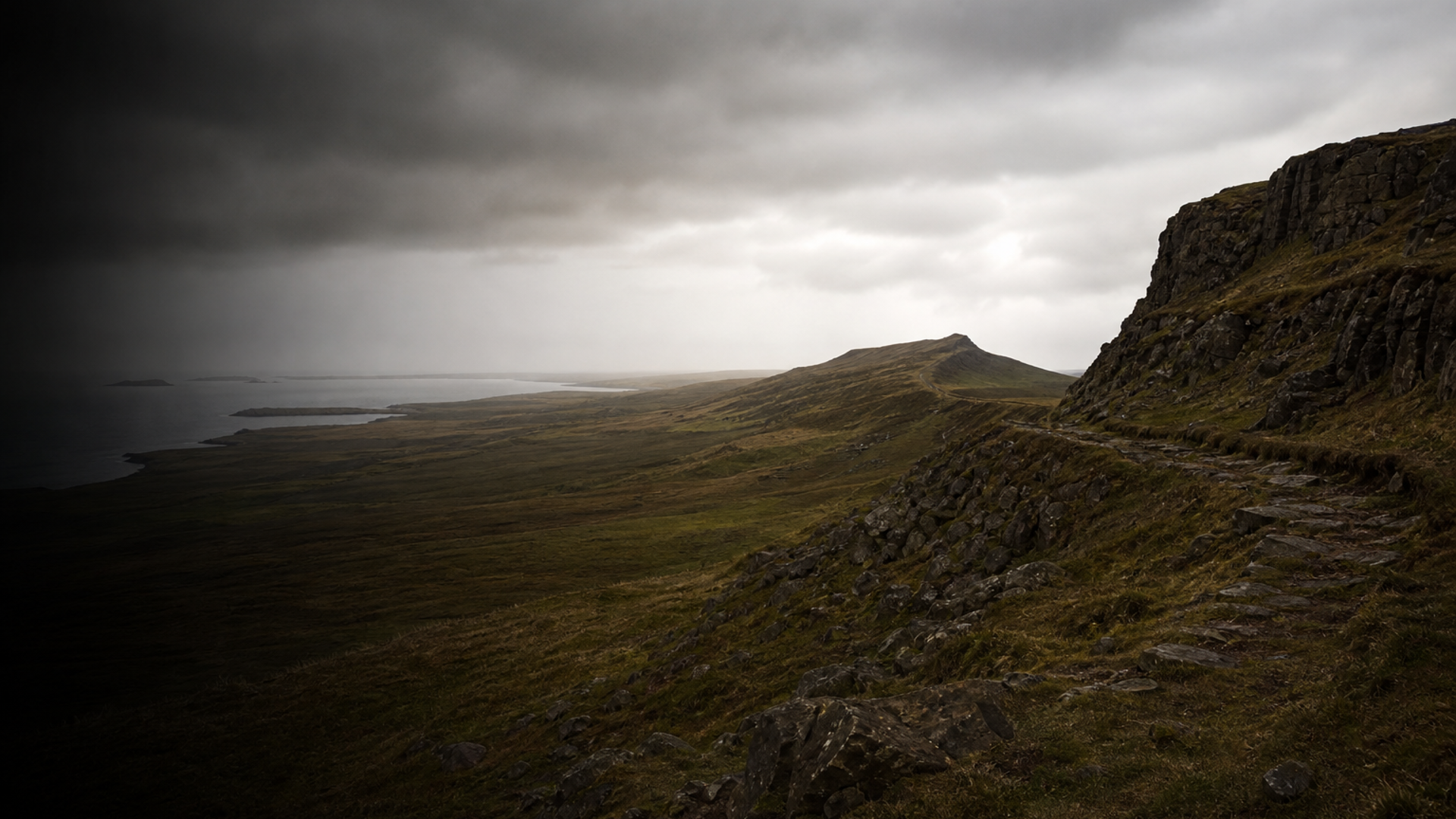
Life in Iron Age East Lothian unfolded against a stark, elemental backdrop — wind-swept fields, salty air, and the ever-present sea. Archaeological deposits at Broxmouth and nearby ridge-top sites show traces of domestic activity, storage, and craft debris that suggest mixed farming economies: cereal cultivation, stock-keeping, and exploitation of coastal resources. Hillfort-like defenses and substantial ramparts indicate organized communal labor and a need for protection, whether from rival groups or as status markers within a competitive landscape.
Material culture appears varied but functional: evidence for metalworking, pottery, and curated artifacts imply both household craftsmanship and access to wider exchange networks. Social organization likely combined kin-based households with community-level leaders who oversaw fortification works and managed local resources. Ritual and mortuary practices in the region are diverse; while the current genetic sample set derives from a small number of burials or contexts, archaeological indicators point to differentiated social roles and possibly long-term family ties in place.
Archaeobotanical and faunal remains (where recovered) hint at seasonal rhythms: sowing and harvest, grazing cycles, and coastal fishing or shellfish gathering. These daily patterns were the lived reality behind the monumental earthworks, weaving a society resilient to both climatic pressures and political change.