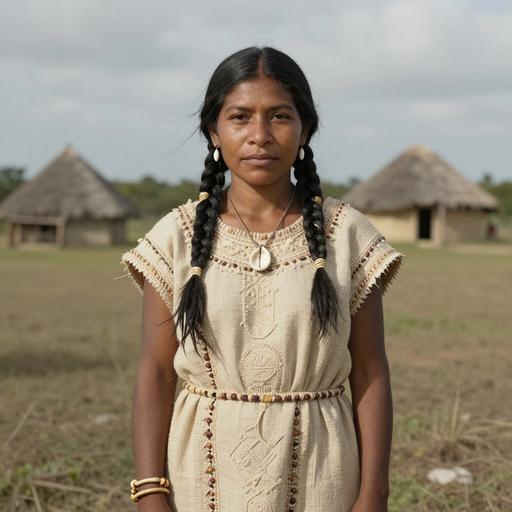
The daily world on Long Island during the Ceramic era would have been shaped by the sea’s rhythm and the small-scale ingenuity of island people. Archaeological deposits contain pottery sherds, shell middens, fish bones, and hearth features that together suggest communities oriented to coastal fishing, shellfish gathering, and horticulture where soils permitted. Pots — often decorated and well-fired — served both practical and social roles: cooking, storage, and possibly signalling group identity through style.
Shell middens at Rolling Heads preserve layers of refuse that, when read carefully, become calendars of diet and seasonality: fish vertebrae and bone fragments indicate a reliance on reef and nearshore species, while terrestrial fauna remains are rarer but present. Stone tools and shell implements imply a toolkit adapted to processing fish and plants, and to crafting nets, cordage, and wooden implements whose preservation is rare in the archaeological record.
Burial evidence on the Bahamas is variable; where interments are found, they can illuminate social roles and health, but recorded burials from Long Island associated with these samples are few. Material culture, settlement traces, and site placement on sheltered bays all point to tightly knit groups whose everyday practices were tuned to maritime resources, seasonal winds, and small-island social networks. The cinematic image is of warm evenings, pottery smoke, and the steady work of communities sustained by sea and shore.