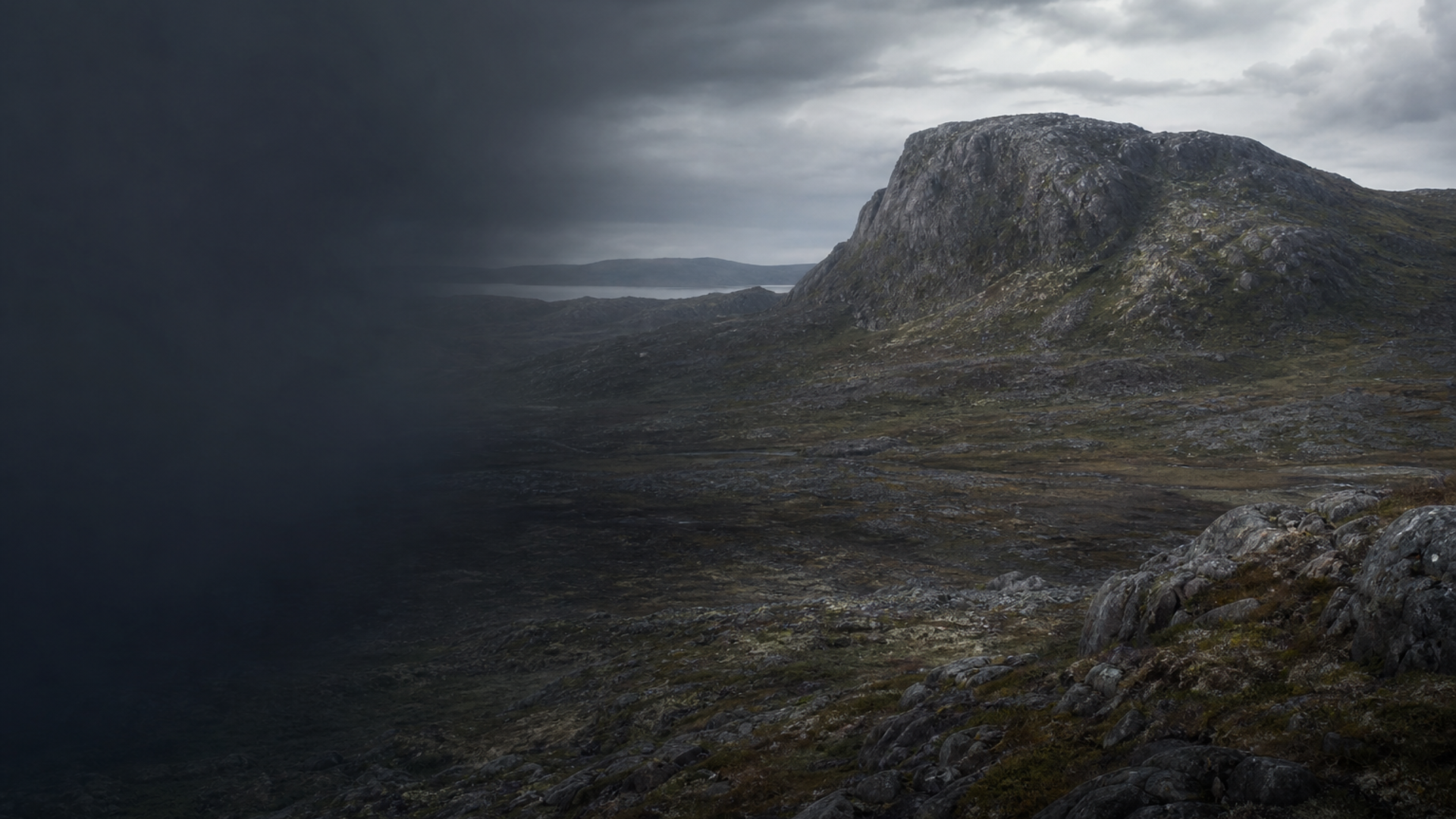
Archaeological remains from the Kola littoral conjure an economy tuned to sea and shore. Faunal fragments and artifact distributions at comparable coastal sites indicate a diet rich in fish, seals, and migratory birds, supplemented by terrestrial hunting of reindeer and small game. Archaeological data indicates seasonal mobility: groups likely moved between island funerary loci, coastal camps, and inland hunting grounds following resources and daylight.
Craftsmen in these cold, wind‑scarred landscapes worked bone and antler, and where metal is present it appears in modest quantities—suggesting limited access to bronze technology or selective use for personal and ritual objects. The island cemetery’s very existence points to communal memory and ritual investment: returning to the same small island for burial implies territorial recognition and lineage claims tied to place.
Social scale was likely small: households and kin groups rather than dense villages. Exchange networks—carrying amber, raw materials, and stylistic traits along the Kola coast and into the wider Barents zone—connected these islanders to neighbors without implying mass migration. Organic preservation hints at clothing and textile skills adapted to polar conditions, but preservation is uneven and interpretations remain cautious.