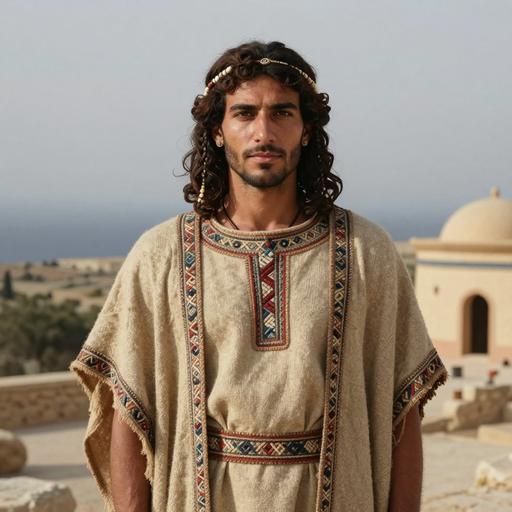
Genomes from 60 Minoan-period individuals provide one of the best ancient-DNA windows into Bronze Age Crete. Y-chromosome calls are dominated by haplogroup J (24/60), with smaller counts of G (4), T (2), R (2) and I (1). Maternal lineages are led by haplogroup H (11) with clusters of HV and HV+ (combined 7), K (3) and T (3) among others. The predominance of J among male lineages is notable: haplogroup J has a long presence in the Near East and eastern Mediterranean and its frequency here is compatible with sustained eastern connections, whether via maritime networks or longer-term gene flow. Haplogroup G is commonly associated with early agricultural expansions into Europe, suggesting a legacy of Neolithic farmer ancestry on Crete.
Mitochondrial lineages dominated by H and K mirror patterns seen across Neolithic and Bronze Age Europe and the Aegean, supporting archaeological indications of continuity in maternal lines. Occasional R and I Y-lineages may reflect minor inputs from mainland or broader Eurasian sources, but low counts (R:2, I:1) mean these inferences are tentative. Overall, the genetic picture is one of local Aegean continuity augmented by episodic eastern Mediterranean admixture—consistent with pottery, trade goods and isotopic data. Because some haplogroups here have small counts, interpretations about specific migration events should remain cautious and open to revision with additional samples.