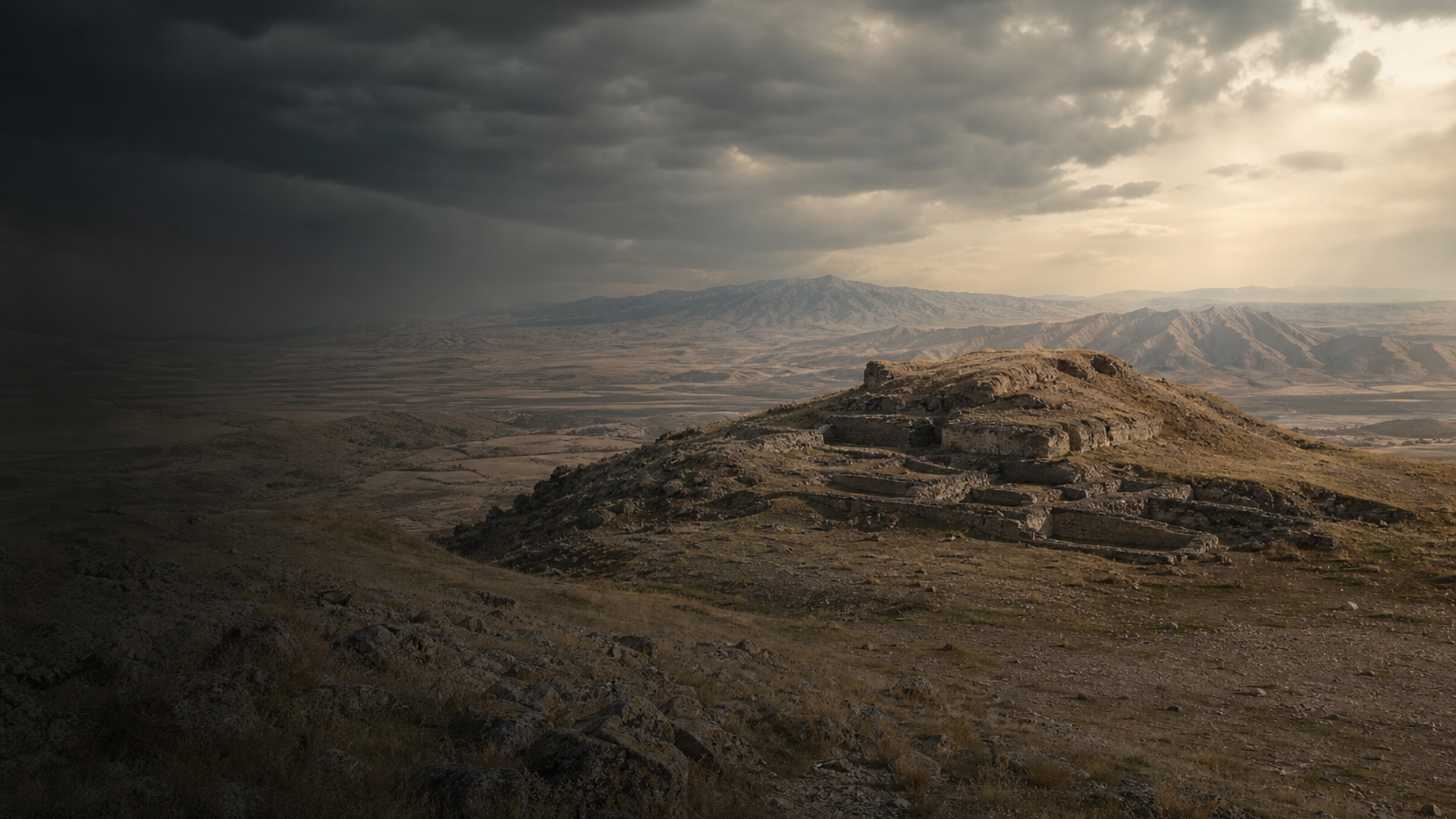
The lived landscape of Kalehöyük during 2000–1750 BCE would have been a tapestry of local households, craft workshops, and transient merchant activity. Archaeological indicators — pottery kilns, metalworking debris, animal bone assemblages, and domestic features — point to mixed economies combining farming, specialized crafts, and participation in long-distance exchange. Goods moved in and out: Anatolian metals and textiles likely flowed toward Mesopotamian markets, while weights, seals, and prestige items arrived from the east.
Social life appears layered. Local elites may have brokered access to Assyrian merchants, and household spaces could double as storage and small-scale commercial premises. Literacy in cuneiform is attested at nearby karum sites (notably Kültepe), but Kalehöyük has produced comparatively fewer written records; this suggests different roles within the network — perhaps more craft and production than administrative control. Funerary remains and household assemblages indicate varied diets and craft specialization, reflecting social differentiation but also everyday continuity with earlier Bronze Age practices.
Archaeological data indicates interaction was sustained but selective: foreign elements coexist with long-standing Anatolian lifeways, producing hybrid material and social patterns.