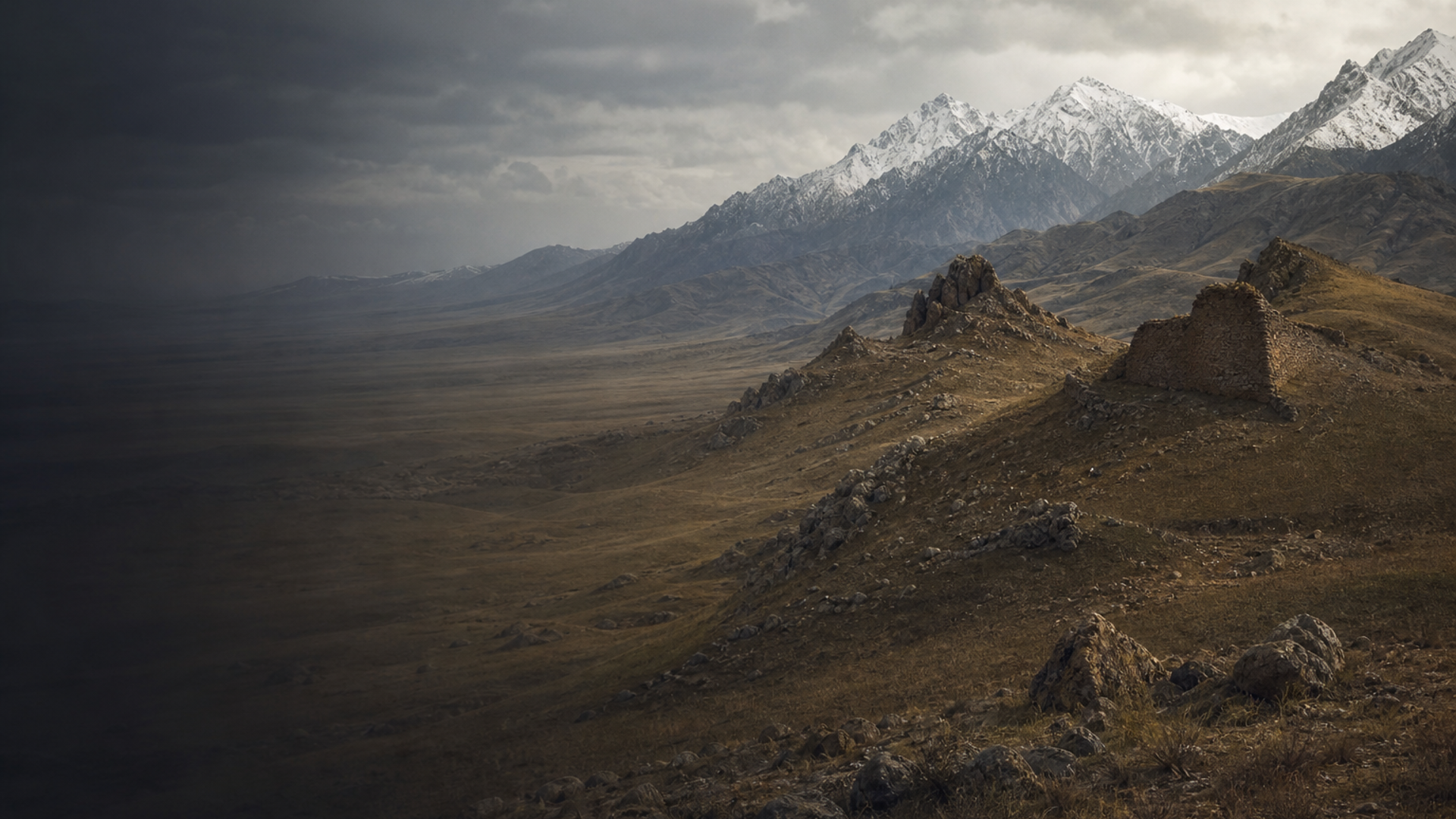
Life in Karakhanid-era Kazakhstan unfolded between yurts and caravanserai, mountain pastures and bustling bazaars. Archaeological traces—animal bones, iron tools, and trade goods found at regional sites—suggest seasonal pastoralism combined with participation in long-distance trade. Small settlements and temporary camps attested in the Central Steppe point to a society that balanced mobility with emergent urban centers where artisans, merchants, and administrators gathered.
Religious and cultural horizons were shifting: archaeological data indicates growing Islamic influence in the 10th–11th centuries alongside older burial customs. Grave goods vary from modest personal items to imported objects, reflecting individual life histories shaped by movement and exchange. At Butakty and similar cemeteries, skeletal remains and burial orientation provide clues to diet, workload, and community organization, but preservation and sample limits mean many daily practices remain only partly illuminated.
Material culture, mobility, and trade combined to create a cinematic landscape of seasonal flocks, caravans threading mountain passes, and towns that negotiated multiple cultural traditions.