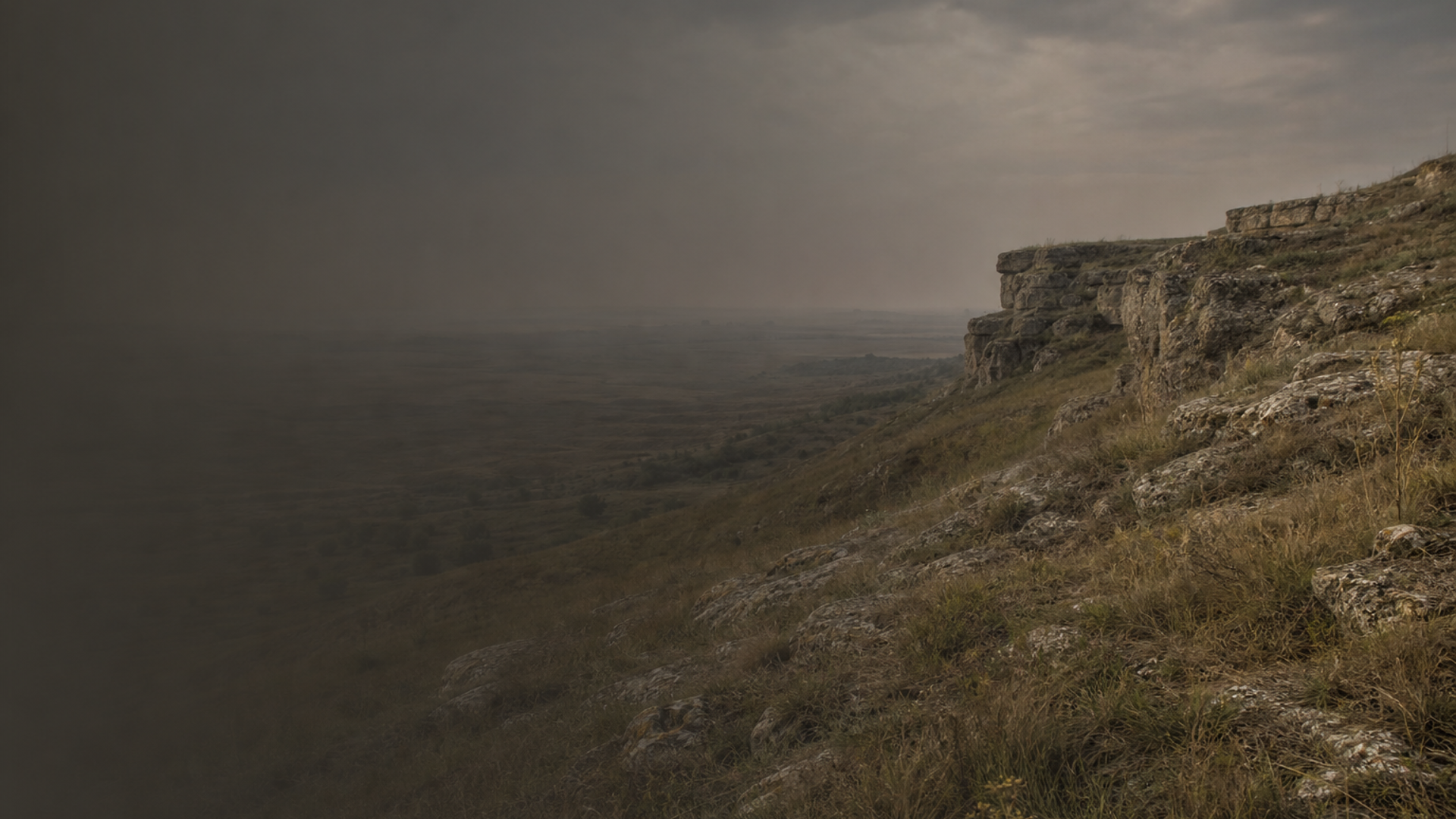
Archaeological remains from Kartal evoke a life shaped by marshes, rivers, and grazing lands. Ceramic fragments and burial deposits indicate households making practical pottery, while bone assemblages at comparable Cernavoda I sites suggest a reliance on domesticated herds alongside wild resources. Architectural traces are sparse at Kartal itself, but regional parallels imply semi‑sedentary hamlets with seasonally mobile herding.
Social life likely centered on family compounds, with burial practices encoding identity and memory. At Kartal, graves provide the most durable record: placement, accompanying objects, and osteological data create narratives of age, sex, and social differentiation. Archaeological data indicates variability in grave goods and deposition — a hint that social roles were flexible rather than strictly hierarchical.
Craft and exchange were important threads. Lithic raw materials and pottery styles show connections to neighboring riverine and coastal communities, implying trade in salt, hides, and crafted goods. Seasonal rhythms — birthing, slaughter, harvest, and migration — structured tasks and ritual observance.
Taken together, the material record paints a cinematic picture of everyday resilience: close to nature, networked by exchange, and adaptable in the face of environmental and social change. However, many details of household structure and social organization remain tentative until larger excavation and bioarchaeological datasets are available.