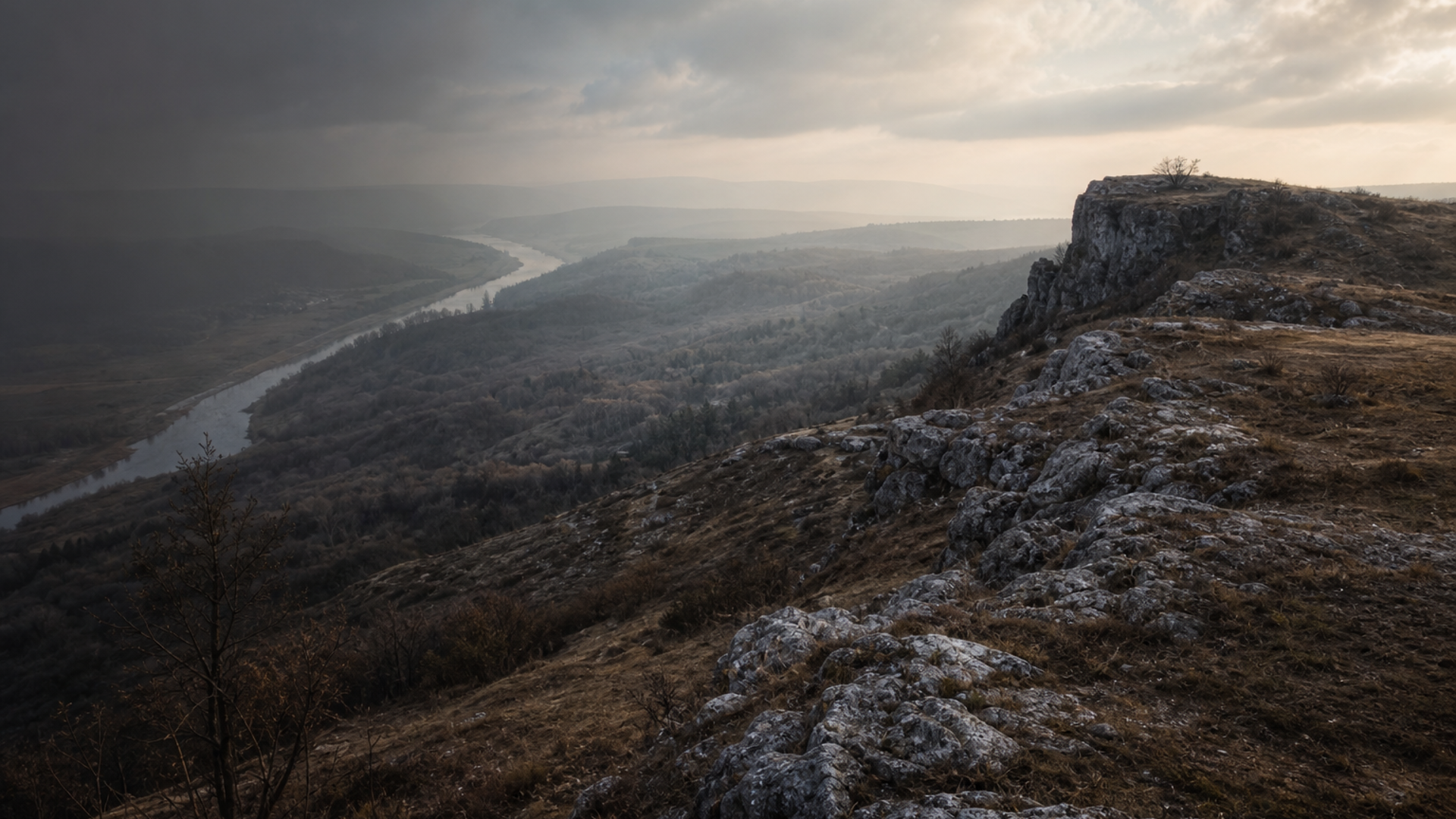
Reconstructing daily life for the Krems‑Wachtberg individual requires reading material traces and environmental proxies together. During 29,500–28,500 BCE Central Europe was a mosaic of steppe and parkland pockets punctuated by colder phases; human groups followed herds and seasonal plant resources, living in small, mobile bands. Flint toolkits, bone implements, and portable ornaments—typical of Gravettian assemblages regionally—supported hunting of large mammals, hide working, and long‑distance social exchange.
Social life likely centered on multi‑stage task organization: hunting and butchery at kill sites, tool maintenance at base camps, and seasonal aggregation for sharing food, mates, and symbolic goods. Funerary behavior, attested at several contemporaneous Gravettian cemeteries, hints at social memory and identity: intentional burials can reflect kinship, social status, or group cosmology. At Krems‑Wachtberg, archaeological indicators suggest a deliberate interment practice consistent with this broader cultural repertoire, though the dataset is limited.
Material culture served as a language—personal ornaments and decorated tools signaled social ties across landscapes. Mobility, resilient subsistence strategies, and symbolic life combined to sustain small populations across the cold European plains.