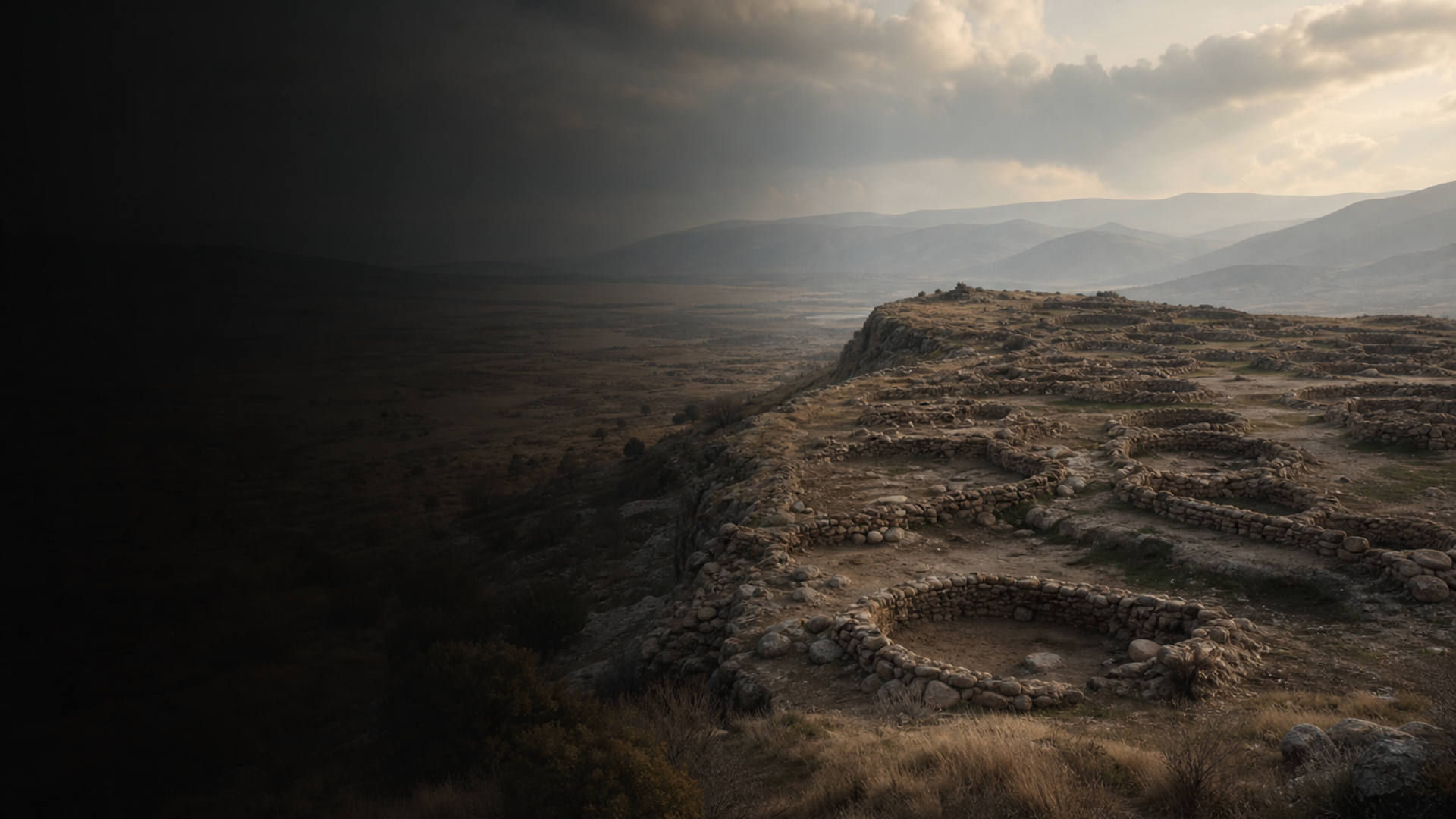
Daily life at Krepost can be imagined through the durable traces left behind: chipped stone, fired clay, and carbonized seeds. Archaeological data indicates a subsistence economy dominated by cereal cultivation and the management of domesticated animals—traits shared with contemporary Neolithic settlements across Bulgaria. Pottery, often plain or simply decorated, served as vessels for storage and cooking; hearths and postholes suggest small, possibly kin-based households clustered near arable land and water sources.
Social rhythms were tightly bound to seasonal cycles. Spring sowing and autumn harvest would have structured labor, while craft production—flint knapping, bone working, and pottery manufacture—provided daily focus. Exchange networks, visible in non-local raw materials and stylistic affinities in ceramics, hint at social ties beyond the immediate valley. Burial practices in the broader region point to growing distinctions in household identity, though direct cemetery evidence from Krepost itself is limited. In short, the life of Krepost’s inhabitants was intimate and embedded in landscape: hands in soil, clay on potter’s rims, and knowledge transmitted in small, repeated gestures that leave faint but telling marks in the archaeological record.