Ksiaznice GAC: Echoes of the Late Neolithic

Download PDF creates a visual, rasterized copy. Use Print for selectable text and better assistive-technology support.

Skip to main content
Civilization Spotlight

Ksiaznice GAC: Echoes of the Late Neolithic

A small burial assemblage from Książnice, Poland (2950–2600 BCE) linking archaeology and ancient DNA

2950 CE - 2600 BCE
Ksiaznice (site 2), Poland

The Story

Archaeological remains from Książnice site 2 (2950–2600 BCE) offer a rare glimpse into the Globular Amphora tradition in Poland. Five individuals yield mitochondrial haplogroups J, H and K. Limited sample size means genetic interpretations are preliminary but evocative of farmer–hunter‑gatherer interactions.

Time Period

2950–2600 BCE

Region

Ksiaznice (site 2), Poland

Common Y-DNA

Not reported / limited data

Common mtDNA

J (2), H (2), K (1)

Timeline

2500 BCE

Burials at Książnice site 2

Burial assemblage dated within 2950–2600 BCE; pottery and human remains provide both archaeological and mitochondrial DNA evidence.

Origins & Emergence

Ksiaznice site 2 sits within the broader horizon of the Globular Amphora Culture (GAC), a late Neolithic phenomenon stretching across parts of Central and Eastern Europe. Archaeological data indicates that the material culture associated with this horizon — notably globular-shaped ceramic vessels and particular burial customs — crystallized in the centuries before 2500 BCE. The burials and associated finds at Książnice are dated by context and typology to 2950–2600 BCE, placing them at a moment of cultural interaction: Neolithic farmer communities, residual Mesolithic hunter-gatherer groups, and emerging steppe influences all overlapped across the region.

Limited evidence suggests communities at Książnice combined pastoralism and small-scale agriculture, and that their burial rites were expressive of group identity. The site offers a localized snapshot: pottery styles and funerary disposition echo the broader GAC repertoire, while regional variation is apparent in grave arrangement and artifact selection. Archaeology thus frames Książnice as a node in a network of late Neolithic exchange, where objects, practices, and people moved across river valleys and upland corridors.

Key uncertainties remain: the small number of individuals sampled and the uneven preservation of material culture mean that broader statements about social structure or long‑distance contacts must remain cautious.

  • Part of the Globular Amphora cultural horizon (2950–2600 BCE)
  • Ksiaznice site 2 preserves funerary contexts with characteristic pottery
  • Evidence points to mixed pastoralist–agrarian lifeways and regional interaction

Daily Life & Society

Archaeological data indicates everyday life at Książnice likely centered on a mix of animal husbandry and small-scale cultivation. The Globular Amphora world is often reconstructed as pastoralist-leaning: cattle and pig bones dominate many assemblages, suggesting seasonal movement and herding played large roles in economy and social ritual. Pottery — thick-walled, often globular vessels — appears in domestic contexts and grave offerings, hinting at shared culinary and ceremonial practices.

Burial contexts at site 2 suggest social practices where the dead were interred with objects that signaled identity: pottery, occasional personal items, and animal remains. Limited evidence suggests that mortuary display and livestock played intertwined roles in community memory. Settlement traces in the wider region include small farmsteads and ephemeral camps, implying households organized around kin groups rather than large nucleated villages.

Material culture at Książnice also shows craft specialization at a modest scale: ceramics with deliberate forms and decoration, and worked bone or antler items. Landscape use combined fertile lowlands for crops with higher pastures for herds, producing a rhythm of seasonal mobility and exchange. Yet many aspects of daily life — kinship, belief systems, and exact seasonal cycles — remain only partially illuminated by the surviving record.

  • Economy likely mixed pastoralism and small-scale agriculture
  • Burials with pottery and animal remains suggest ritual ties between livestock and identity

Genetic Profile

Five individuals from Książnice site 2 yielded mitochondrial haplogroups J (2), H (2), and K (1). Mitochondrial haplogroups J and K are often associated with Neolithic Anatolian-derived farmer lineages that spread into Europe with the early farming expansions, while haplogroup H is widespread among later European populations and hunter‑gatherer–farmer mixtures. Archaeogenetic studies across Central Europe show that GAC communities frequently carried substantial Anatolian farmer ancestry admixed with local hunter‑gatherer components; however, patterns vary regionally.

Crucially, no consistent Y‑chromosome signal is reported for these five Książnice samples in the available dataset. This absence prevents confident statements about paternal lineages or sex‑biased mobility at this site. The very small sample count (<10) means all genetic inferences must be treated as preliminary: they can suggest affinities but cannot resolve population structure or demographic events alone.

Limited genomic evidence nonetheless offers evocative possibilities. The presence of J and K mtDNA aligns with a continuing maternal legacy of Neolithic farming communities in this part of Poland. Combined with archaeological indicators, the genetic profile at Książnice hints at mixed ancestry communities where farmer-derived maternal lineages persisted alongside local cultural forms. Further sampling and genome-wide data would be required to test hypotheses about admixture timing, mobility, and connections to neighboring cultural groups such as the Corded Ware or other GAC populations.
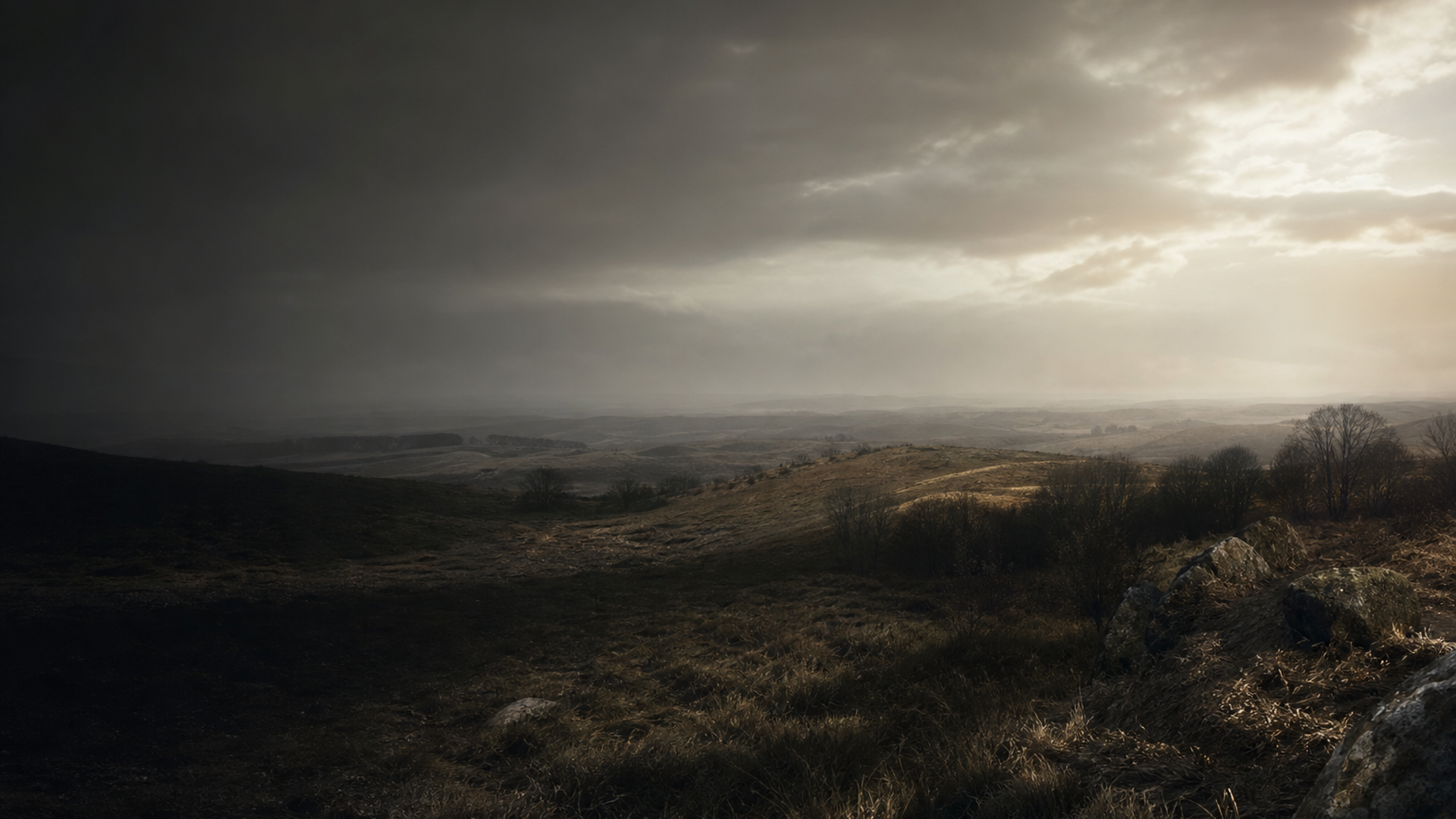

  • mtDNA: J (2), H (2), K (1) — suggests Neolithic farmer maternal lineages and local admixture
  • Y‑DNA: not reported here; sample size (5) is too small for robust population conclusions

Legacy & Modern Connections

The mitochondrial lineages observed at Książnice — especially haplogroups J, H, and K — persist in the modern European gene pool, linking deep maternal ancestries to present populations. Archaeogenetics provides a cinematic bridge: tiny fragments of bone and tooth become narratives of movement, marriage, and survival that echo across millennia.

However, the Książnice dataset is small. Archaeological and genetic continuity should not be assumed on the basis of five individuals alone. Instead, these remains act as signposts: they show that Neolithic farmer-derived maternal lineages were present in late fourth–third millennium BCE Poland, and that local Globular Amphora communities participated in broader networks of exchange. As more sites are analyzed with genome-wide methods, Książnice will serve as a valuable reference point to map how cultural practices and genetic ancestries interwove in Northern Europe’s dramatic transition toward the Bronze Age.

  • mtDNA lineages at Książnice connect to maternal ancestries still found in Europe
  • Small sample size means this site is a promising but preliminary data point for regional history

AI Assistant

AI Assistant by DNAGENICS

Unlock this feature
Ask questions about the Ksiaznice GAC: Echoes of the Late Neolithic culture. Our AI assistant can explain genetic findings, historical context, archaeological evidence, and modern connections.
Sample AI Analysis

The Ksiaznice GAC: Echoes of the Late Neolithic culture represents a fascinating chapter in human history...

Genetic analysis reveals connections to earlier populations while showing evidence of unique adaptations and cultural innovations. The ancient DNA samples provide insights into migration patterns, social structures, and the biological relationships between ancient populations.

This is a preview of the AI analysis. Unlock the full AI Assistant to explore detailed insights about:

  • Genetic composition and ancestry
  • Migration patterns and origins
  • Daily life and cultural practices
  • Modern genetic legacy
Use code for 30% off • Expires Nov 14




