Menu
Currency
Store
Blog
Kura-Araxes of Early Bronze Armenia
Armenia_EBA_KuraAraxes South Caucasus (Armenia)

Kura-Araxes of Early Bronze Armenia

A mountain-born culture of burnished pottery, fortified settlements, and complex ancestry

3625 CE - 2250 BCE
12 Ancient Samples
Scroll to begin
Chapter I

The Story

Understanding the Kura-Araxes of Early Bronze Armenia culture

Archaeological and genetic data from 12 Early Bronze Age individuals (3625–2250 BCE) in Armenia illuminate the Kura-Araxes phenomenon across the South Caucasus, showing regional continuity and diverse maternal lineages amid limited sampling.

Time Period

3625–2250 BCE

Region

South Caucasus (Armenia)

Common Y-DNA

G2b (observed)

Common mtDNA

U (4), H (2), T2h (2), R (1), K3 (1)

Chapter II

Timeline

Key moments in the history of this culture

2500 BCE

Kura-Araxes cultural expansion

Around 2500 BCE Kura-Araxes material culture is widespread across southern Armenia, marked by burnished pottery, evolving architecture, and growing settlement networks.

Chapter III

Origins & Emergence

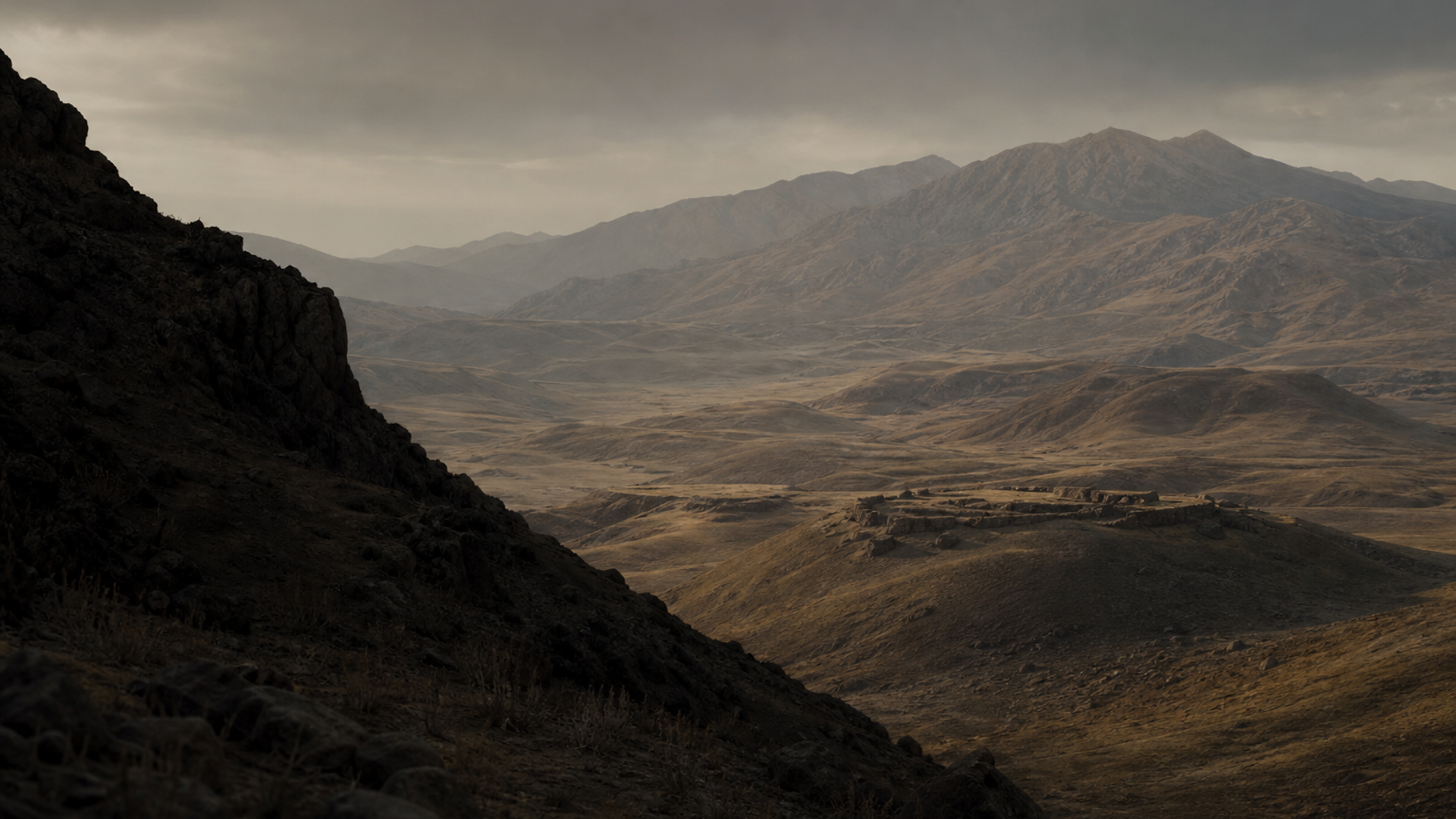
From the high folds of the South Caucasus, the Kura-Araxes cultural horizon rises in the archaeological record like a band of dark, burnished pottery against pale steppe soils. Archaeological data indicates a clear florescence across southern Armenia from c. 3625 BCE, with settlements and cemeteries that include Kaps, Karnut Archaeological Complex, Berkaber, Dzhoghaz (Meydanner), and Shengavit. The material signature — black-and-red burnished ware, small circular houses evolving into rectilinear architecture, and distinctive metalwork — spreads rapidly over diverse ecological zones.

Limited evidence suggests this cultural package represents both local development and regional integration. Excavations show continuity with preceding Chalcolithic traditions in settlement placement and some craft practices, while sudden shifts in ceramics and settlement density imply new social dynamics rather than a simple replacement. Radiocarbon sequences from Shengavit and nearby sites anchor much of this chronology between the late fourth and mid-third millennia BCE.

Archaeologists interpret the Kura-Araxes emergence as a mosaic process: local communities adopting shared styles and technologies while maintaining regional variation. Given the modest genetic sample (12 individuals) and uneven site coverage, models of large-scale migration remain tentative; archaeological patterns of rapid cultural spread could reflect networks of exchange, mobility of small groups, or demographic growth within existing populations.

  • Flourished in southern Armenia c. 3625–2250 BCE
  • Characteristic black-and-red burnished pottery and evolving architecture
  • Evidence points to local continuity with regional innovation
Chapter IV

Daily Life & Society

Life in Kura-Araxes settlements conjures images of smoke curling from low-roofed houses, pots polished to a sheen, and narrow lanes between tightly clustered dwellings. Archaeological remains from sites such as Shengavit and Karnut reveal households organized around hearths and workspaces for metallurgy, weaving, and pottery — crafts that structured daily rhythms and inter-household exchange. Storage pits and granaries indicate cereal cultivation adapted to highland valleys; faunal remains show mixed herding and hunting economies.

Fortified hilltops and terraced sites point to social organization that could marshal labor for communal construction, while cemeteries like Dzhoghaz record varied burial treatments suggestive of differentiated status or kin groups. Grave goods are often modest, emphasizing everyday tools and ornaments rather than ostentatious wealth, though occasional metal items and beads attest to long-distance contacts. The spatial distribution of sites — from river plains to rocky slopes — demonstrates adaptability and a capacity to link ecological zones through trade and seasonal movement.

Archaeological data indicates craft specialization and household-level production, with networks of exchange likely connecting Armenian Kura-Araxes communities to neighboring regions. While material culture is strikingly uniform in some respects, local differences in house plans and burial customs reveal a patchwork society rather than a monolithic polity.

  • Household crafts: pottery, metallurgy, weaving
  • Mixed farming and herding across valleys and uplands
Chapter V

Genetic Profile

Genetic data from 12 individuals sampled at Kura-Araxes sites in Armenia (Kaps, Karnut, Berkaber, Dzhoghaz, Shengavit) provide a first glimpse into the biological makeup of these Early Bronze Age communities. The male Y-DNA signal is limited but notable: one observed G2b haplogroup, a lineage that appears in several Caucasus contexts and is consistent with local continuity of some paternal lines. Maternal lineages are more diverse: mtDNA haplogroups include U (4 individuals), H (2), T2h (2), R (1), and K3 (1). This diversity of mtDNA suggests varied maternal ancestry or regional female-mediated connections across the South Caucasus.

Archaeogenetic patterns are compatible with a population deriving substantial ancestry from earlier Neolithic/Caucasus farmer-related groups, with additional inputs from neighboring regions over time. However, with only 12 genomes, formal demographic modeling is preliminary: low sample count limits resolution of admixture dates and the relative contributions of local hunter-gatherers, Anatolian farmers, or steppe-related groups. The prevalence of U-lineages aligns with broader Bronze Age West Eurasian patterns, while the presence of H and T2h speaks to shared maternal components across Southwest Asia and Europe.

In sum, the genetic evidence supports a picture of population continuity with layered contacts and gene flow, but more samples — especially from underrepresented sites and across time slices — are essential to move from suggestive patterns to robust historical narratives.

  • Y-DNA: G2b observed — consistent with Caucasus paternal continuity
  • mtDNA diversity (U, H, T2h, R, K3) indicates varied maternal ancestry
Chapter VI

Legacy & Modern Connections

The legacy of Kura-Araxes culture is etched into Armenian landscapes: terraces, tells, and ceramic shards that continue to surface where valleys meet mountains. Archaeological continuity in settlement locations and some material practices suggests threads leading into later Bronze Age and Iron Age societies of the South Caucasus. Genetic signals hint at parts of this biological heritage persisting regionally, but caution is warranted — modern population structure is the product of many later movements and interactions.

Connecting ancient genomes to present-day identities requires broad, densely sampled comparative datasets. Preliminary links between Kura-Araxes genetic components and contemporary populations of the South Caucasus are plausible but unproven at fine scale. Instead, the clearest legacy is cultural: a durable horizon of craft, architecture, and social networks that shaped subsequent trajectories across Armenia and its neighbors. Future archaeological excavations paired with expanded ancient DNA sampling will refine how these early Bronze Age communities contributed to the genetic and cultural mosaic of the region.

  • Material culture shaped later South Caucasus traditions
  • Genetic continuity plausible but requires broader sampling
Chapter VII

Sample Catalog

12 ancient DNA samples associated with the Kura-Araxes of Early Bronze Armenia culture

Ancient DNA samples from this era, providing genetic insights into the people who lived during this period.

12 / 12 samples
Portrait Sample Country Era Date Culture Sex Y-DNA mtDNA
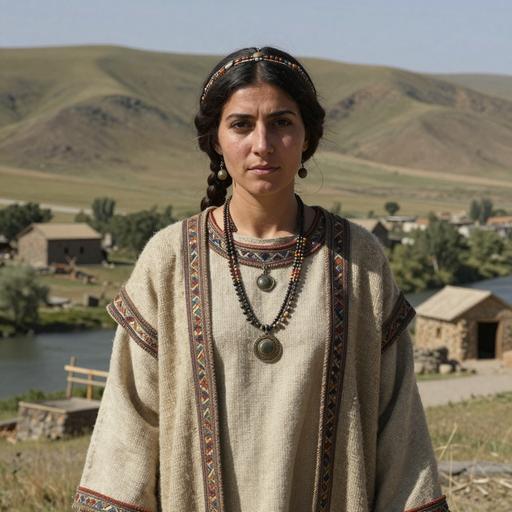
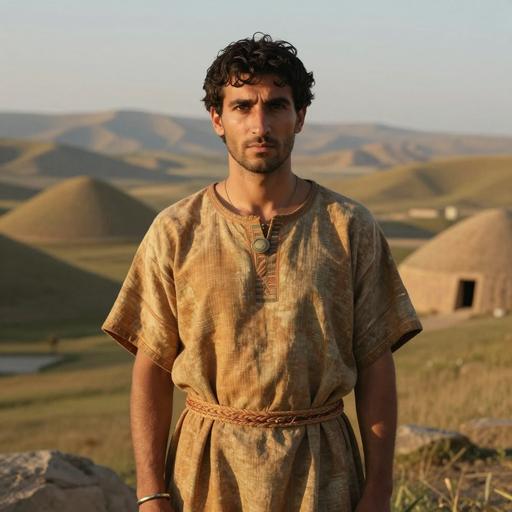
Portrait of ancient individual I13599 from Armenia, dated 2466 BCE
I13599
Armenia Armenia_EBA_KuraAraxes 2466 BCE Ancient Near Eastern Civilization F - U1a1a
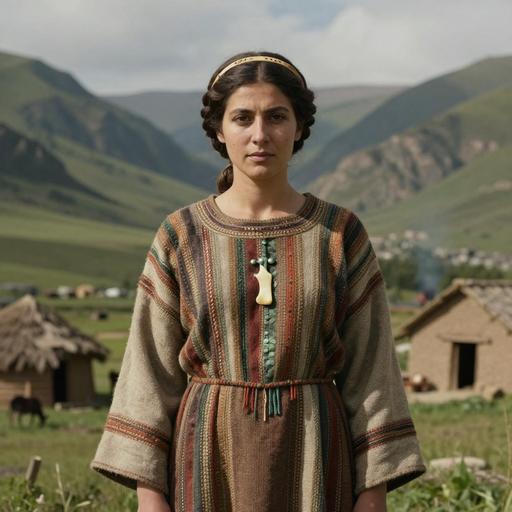
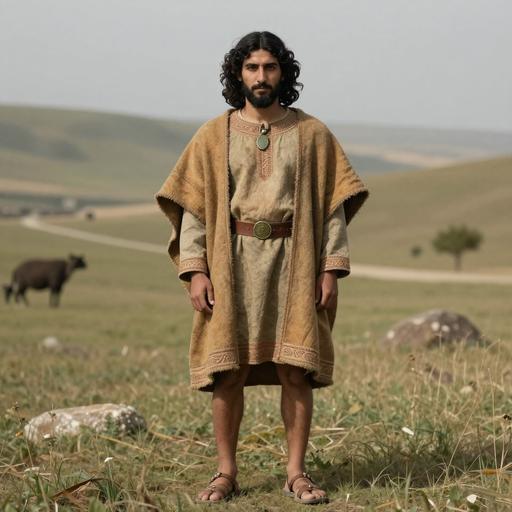
Portrait of ancient individual I15132 from Armenia, dated 2618 BCE
I15132
Armenia Armenia_EBA_KuraAraxes 2618 BCE Ancient Near Eastern Civilization F - U3b2
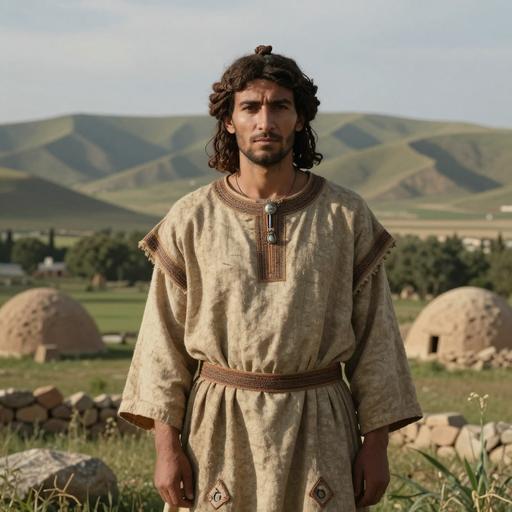
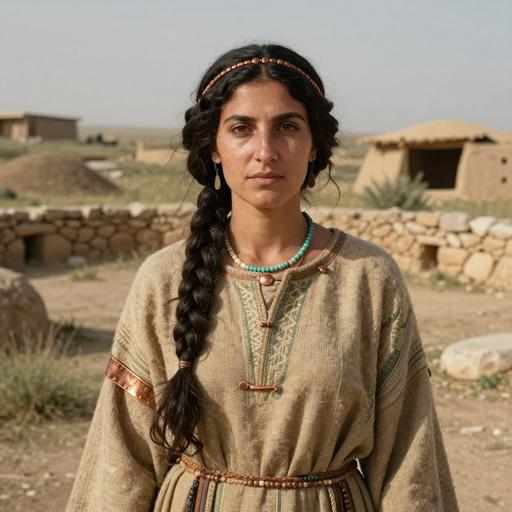
Portrait of ancient individual I14340 from Armenia, dated 2468 BCE
I14340
Armenia Armenia_EBA_KuraAraxes 2468 BCE Ancient Near Eastern Civilization M - N1b1a
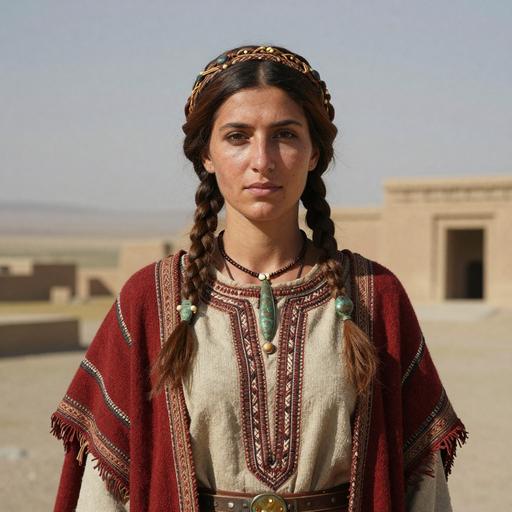
Portrait of ancient individual ARM002 from Armenia, dated 3356 BCE
ARM002
Armenia Armenia_EBA_KuraAraxes 3356 BCE Ancient Near Eastern Civilization M G2b K3
Portrait of ancient individual I14343 from Armenia, dated 2500 BCE
I14343
Armenia Armenia_EBA_KuraAraxes 2500 BCE Ancient Near Eastern Civilization M - U3b1a1
Portrait of ancient individual ARM001 from Armenia, dated 3625 BCE
ARM001
Armenia Armenia_EBA_KuraAraxes 3625 BCE Ancient Near Eastern Civilization F - R1a1
Portrait of ancient individual I14339 from Armenia, dated 2566 BCE
I14339
Armenia Armenia_EBA_KuraAraxes 2566 BCE Ancient Near Eastern Civilization M - H
Portrait of ancient individual I14341 from Armenia, dated 2600 BCE
I14341
Armenia Armenia_EBA_KuraAraxes 2600 BCE Ancient Near Eastern Civilization M - T2h
Portrait of ancient individual I16920 from Armenia, dated 2600 BCE
I16920
Armenia Armenia_EBA_KuraAraxes 2600 BCE Ancient Near Eastern Civilization F - T2a1b2b
Portrait of ancient individual I14346 from Armenia, dated 2600 BCE
I14346
Armenia Armenia_EBA_KuraAraxes 2600 BCE Ancient Near Eastern Civilization F - U1a1
AI Powered

AI Assistant

Ask questions about the Kura-Araxes of Early Bronze Armenia culture

AI Assistant by DNAGENICS

Unlock this feature
Ask questions about the Kura-Araxes of Early Bronze Armenia culture. Our AI assistant can explain genetic findings, historical context, archaeological evidence, and modern connections.
Sample AI Analysis

The Kura-Araxes of Early Bronze Armenia culture represents a fascinating chapter in human history...

Genetic analysis reveals connections to earlier populations while showing evidence of unique adaptations and cultural innovations. The ancient DNA samples provide insights into migration patterns, social structures, and the biological relationships between ancient populations.

This is a preview of the AI analysis. Unlock the full AI Assistant to explore detailed insights about:

  • Genetic composition and ancestry
  • Migration patterns and origins
  • Daily life and cultural practices
  • Modern genetic legacy
Use code for 40% off Expires May 31