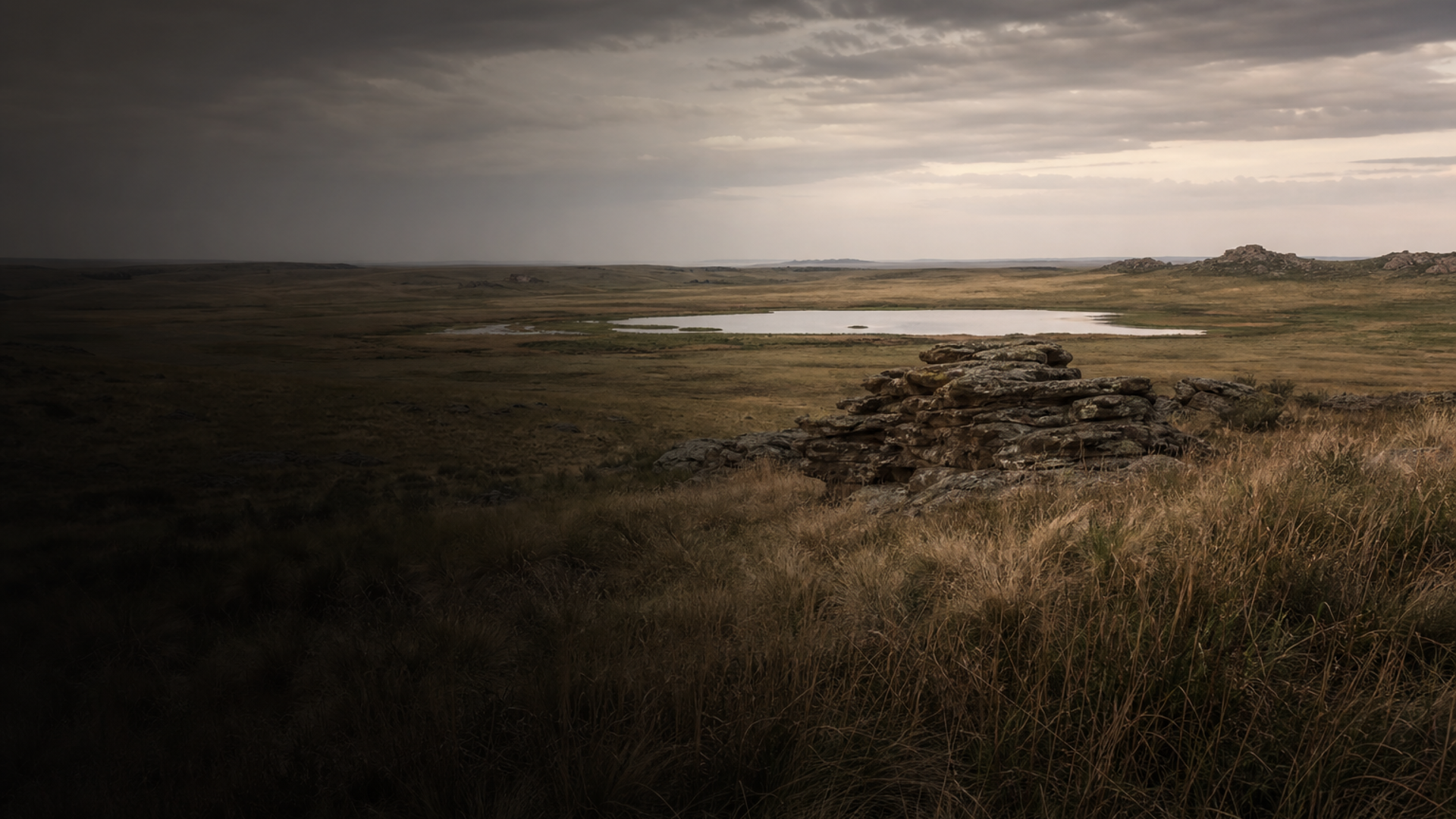
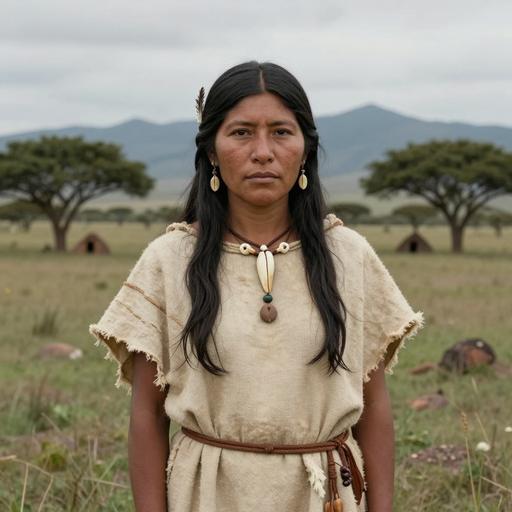
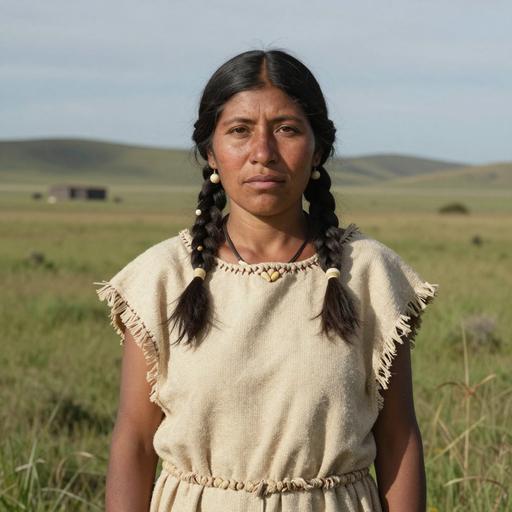
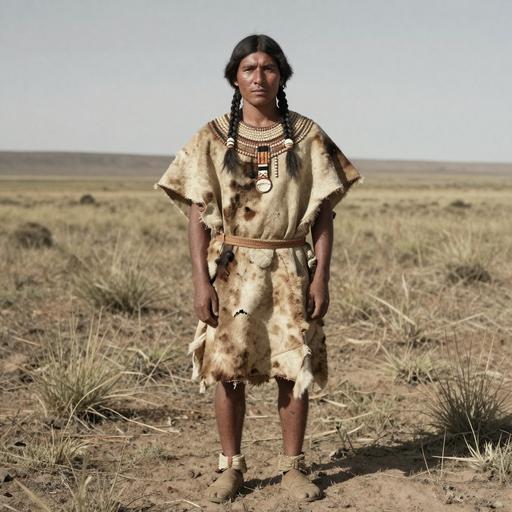
Life on the early Holocene Pampas can be imagined as a rhythm of movement across a shimmering plain: seasonal pulses of water, herds, and edible plants dictating camp placement and social networks. Archaeological indicators from the region — including lithic debris, faunal remains at nearby Pampas sites, and the depositional contexts that preserved the three human burials — suggest small group sizes, flexible mobility, and broad diets drawn from wetlands and grasslands.
Material culture in the Pampas is often characterized by light, versatile stone tools suited to cutting, scraping, and projectile use. Such toolkits facilitate hunter‑gatherer economies that exploit river margins, reed beds, and open plains. Social life would have balanced intimate kin groups with wider seasonal circulation and exchange; ritual and mortuary choices visible in burial treatment reflect social identities whose finer details remain elusive at Laguna Chica because of limited stratigraphic and contextual data.
Archaeological interpretation remains cautious: site taphonomy (how remains were buried and preserved) and the small number of excavated individuals constrain reconstructions of demographic structure, gendered roles, and long‑term settlement systems. Nonetheless, the combined archaeological picture points to resilient forager communities adapting creatively to early Holocene Pampas ecologies.