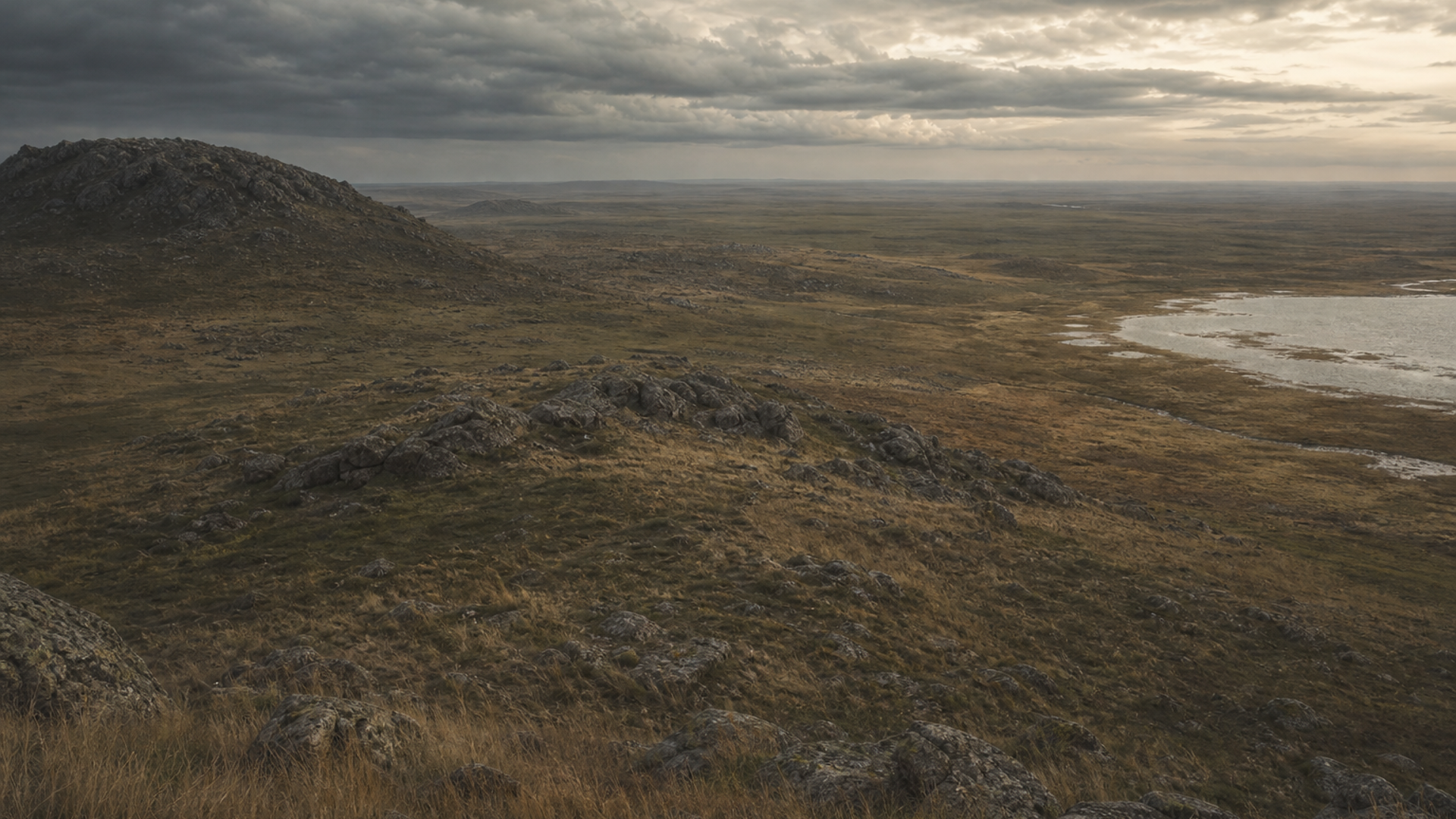
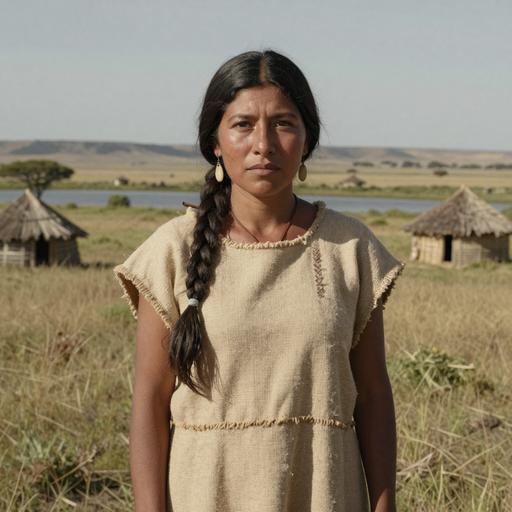
Archaeological parallels across the Pampas suggest Laguna Chica's people lived a rhythm tuned to seasons and water: foraging along marsh edges, hunting small mammals and birds, and gathering tubers and reed plants. Open-air camps, temporary hearths, and dispersed artifact scatters characterize many contemporary sites, implying flexible settlement patterns rather than dense, sedentary villages.
Material culture in the region commonly includes chipped stone tools, bone implements, and organic technologies optimized for hunting, fishing, and plant processing. Social networks likely threaded across river valleys and lagoons, enabling exchange of raw materials, ideas, and perhaps marriage ties that linked disparate bands. The cinematic image is of people moving with the wind across tall grasses, tending intimate knowledge of microhabitats that sustained them through seasonal shifts.
Archaeological evidence specific to Laguna Chica remains limited; therefore, reconstructions of social organization or ritual must remain tentative. Ethnoarchaeological analogies and regional studies provide the backdrop for imagining daily life, but future discoveries at Laguna Chica will be needed to confirm whether local practices matched broader Pampas patterns or displayed unique traits.