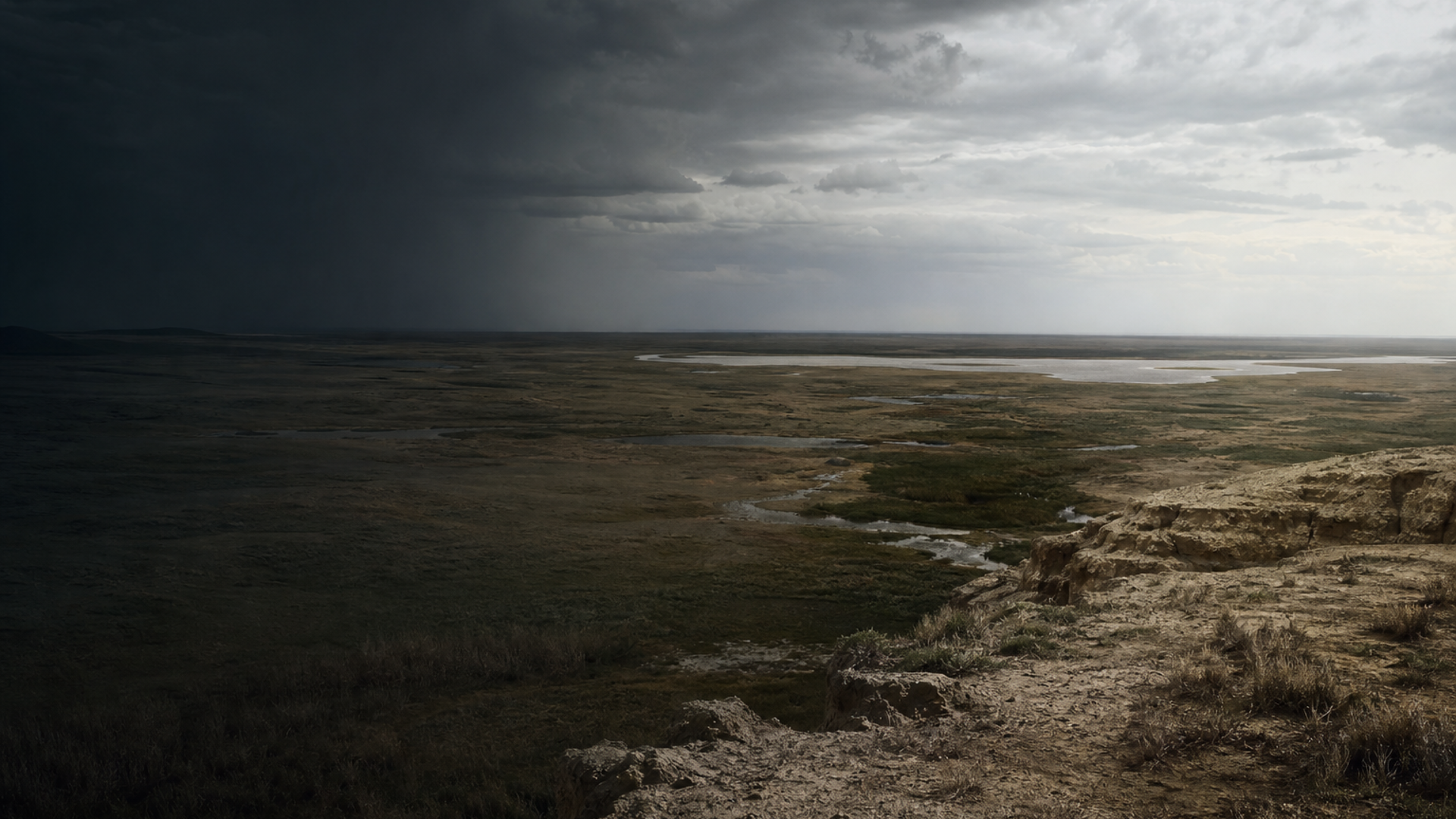
Ancient DNA from Laguna Chica currently includes three individuals. Genetic preservation at wetland sites can be variable, and the sample count is small; all conclusions are preliminary. The Y-chromosome evidence shows haplogroup Q in one male individual — a lineage broadly associated with Native American populations across the Americas. Mitochondrial results record three distinct maternal lineages across the three samples: B2b, C1b and A2, each observed once.
These mitochondrial haplogroups align with well-established indigenous maternal lineages found throughout South America, supporting continuity with early Native American genetic diversity. The presence of haplogroup Q on the paternal side is also consistent with continental-scale patterns of early colonization. However, with only three genomes the data cannot resolve finer-scale population structure, sex-biased mobility, or detailed affinities to neighboring groups. Limited evidence suggests genetic continuity with other Archaic-era individuals from southern South America, but broader sampling and comparative analyses are required to test hypotheses about migration routes, demographic shifts, or local persistence. In short: the genetics provide tantalizing echoes of ancient Pampas peoples, but each echo needs more voices to form a chorus.