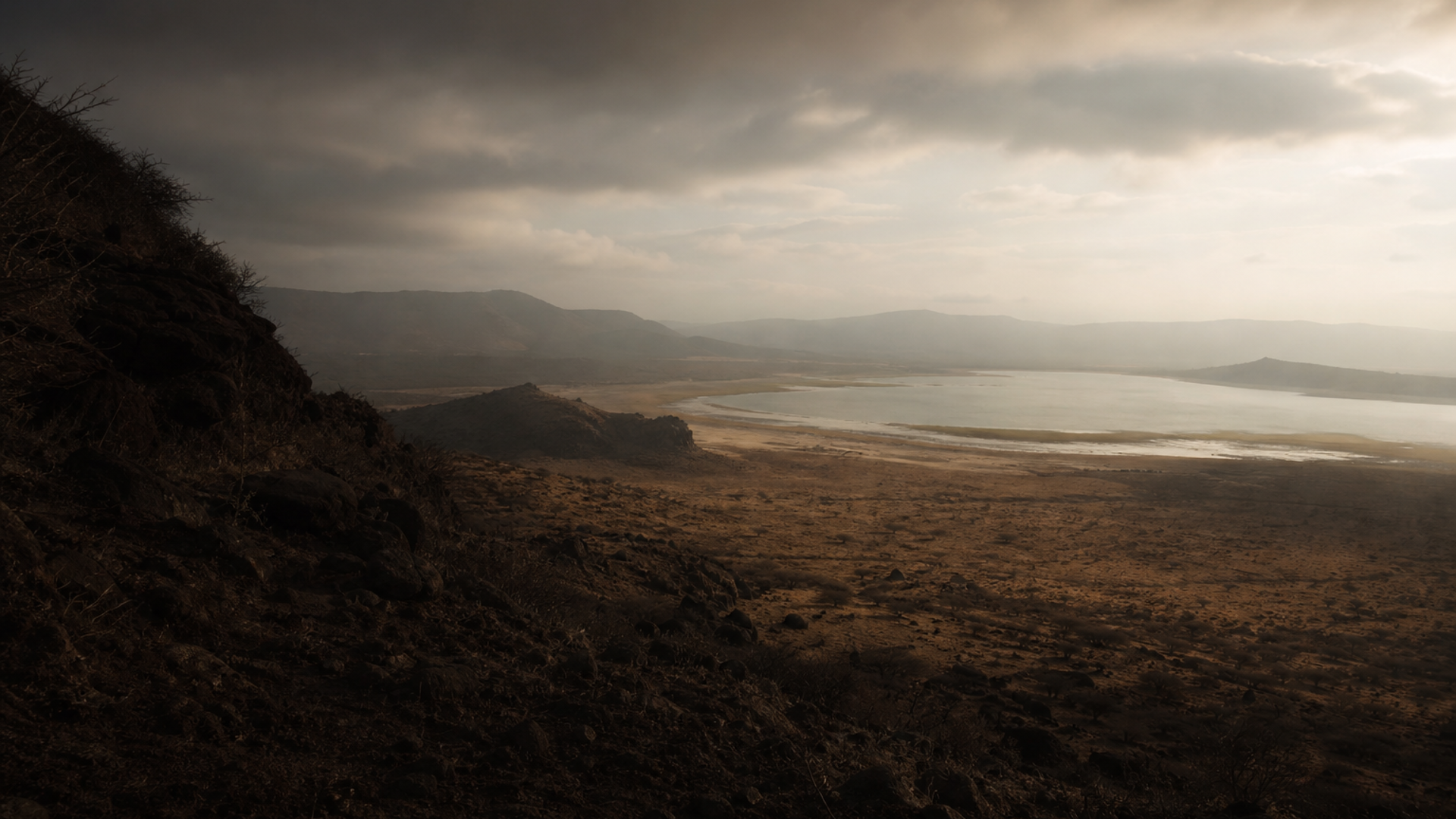
The world around Lake Eyasi would have been a cinematic blend of open grasslands, freshwater edge habitats, and volcanic highland slopes. Archaeological data indicates communities exploited both domesticates and wild resources: fragmented bones and tool debris suggest a diet supplemented by herded animals, hunting, and gathered plant foods. Pottery fragments—simple and utilitarian—signal containers for milk, cooking, and storage, while hearths and floor lenses reveal repeated occupation and domestic routines.
Social life for these pastoralists likely balanced mobility with loci of reuse, such as rock shelters and caves like Gishimangeda. Mobility allowed herders to follow seasonal pastures and water, and also to exchange goods — beads, iron, or obsidian — along emerging regional networks. Burial practices at the site are still incompletely documented; where human remains occur, they offer rare windows into health, diet, and social identity. Archaeological interpretations remain cautious: evidence indicates pastoral lifeways, but the diversity of artifacts and settlement patterns points to flexible, adaptive communities navigating environmental change.