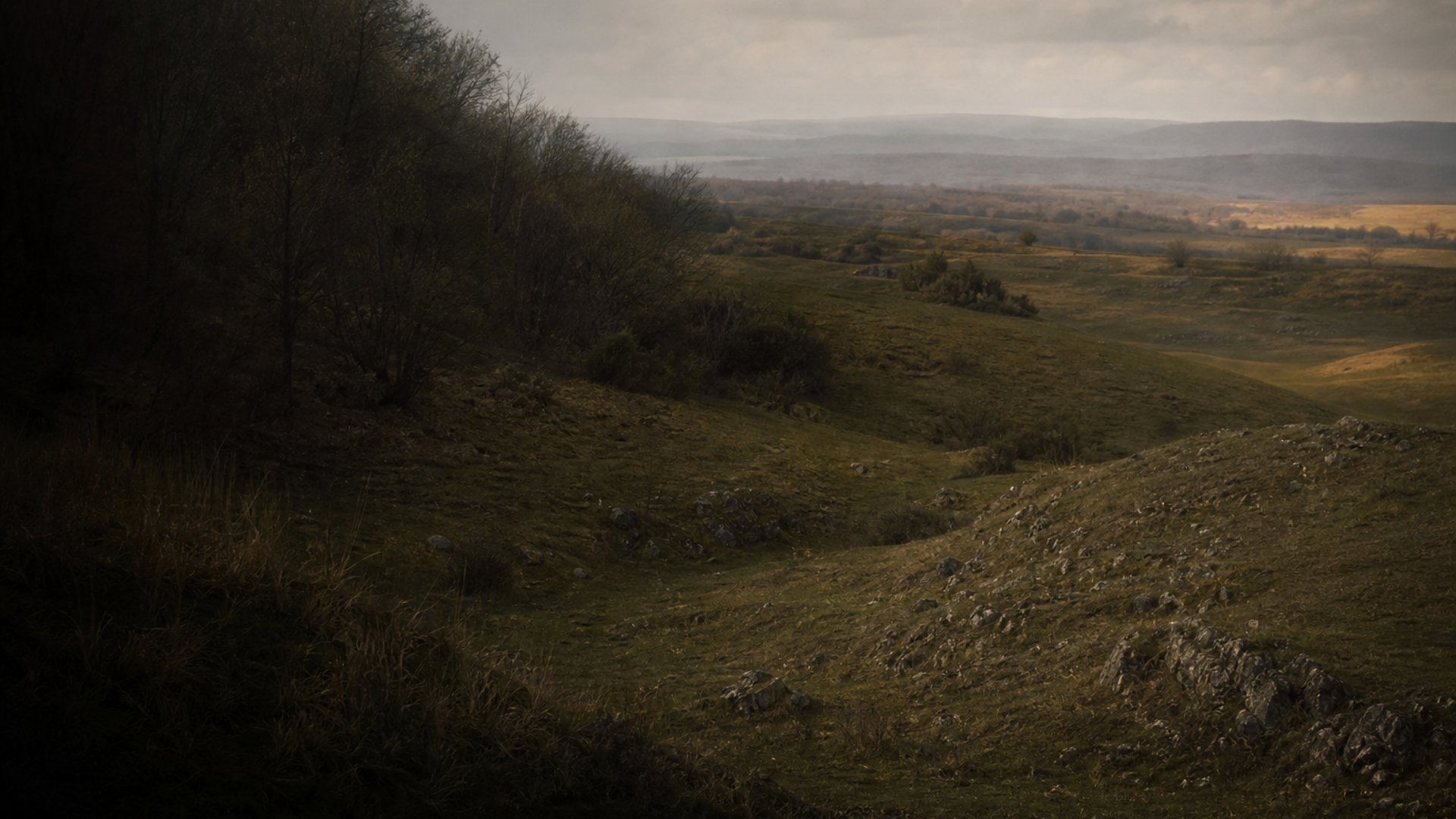
The graves at Szólád open like pages of a fragmentary chronicle—belt buckles clink with the memory of movement, beads point to dress and gendered display, and weapon burials suggest social roles shaped by violence and prestige. Archaeological data indicates a community structured around households and kin groups, with variation in grave goods hinting at status differences. Male graves often include weapons or horse equipment, while female graves more frequently contain jewelry and textiles-related items. Children are present in the cemetery record, reminding us that migration involved entire communities, not only warriors.
Trade and exchange are visible in the objects: some metalwork and glass forms mirror styles from the broader late Roman world, suggesting interactions with frontier markets and itinerant craftsmen. Mortuary placement and orientation show shared ritual frameworks, while localized practices—grave cuts, body position, and dress elements—could reflect community-specific identity performances. Osteological indicators point to a physically active population; limited pathological markers combined with trauma in some skeletons testify to a life of mobility and occasional conflict.
Archaeological data indicates a community negotiating new landscapes—adapting inherited customs, adopting new material forms, and forging social cohesion through burial rites and household networks.