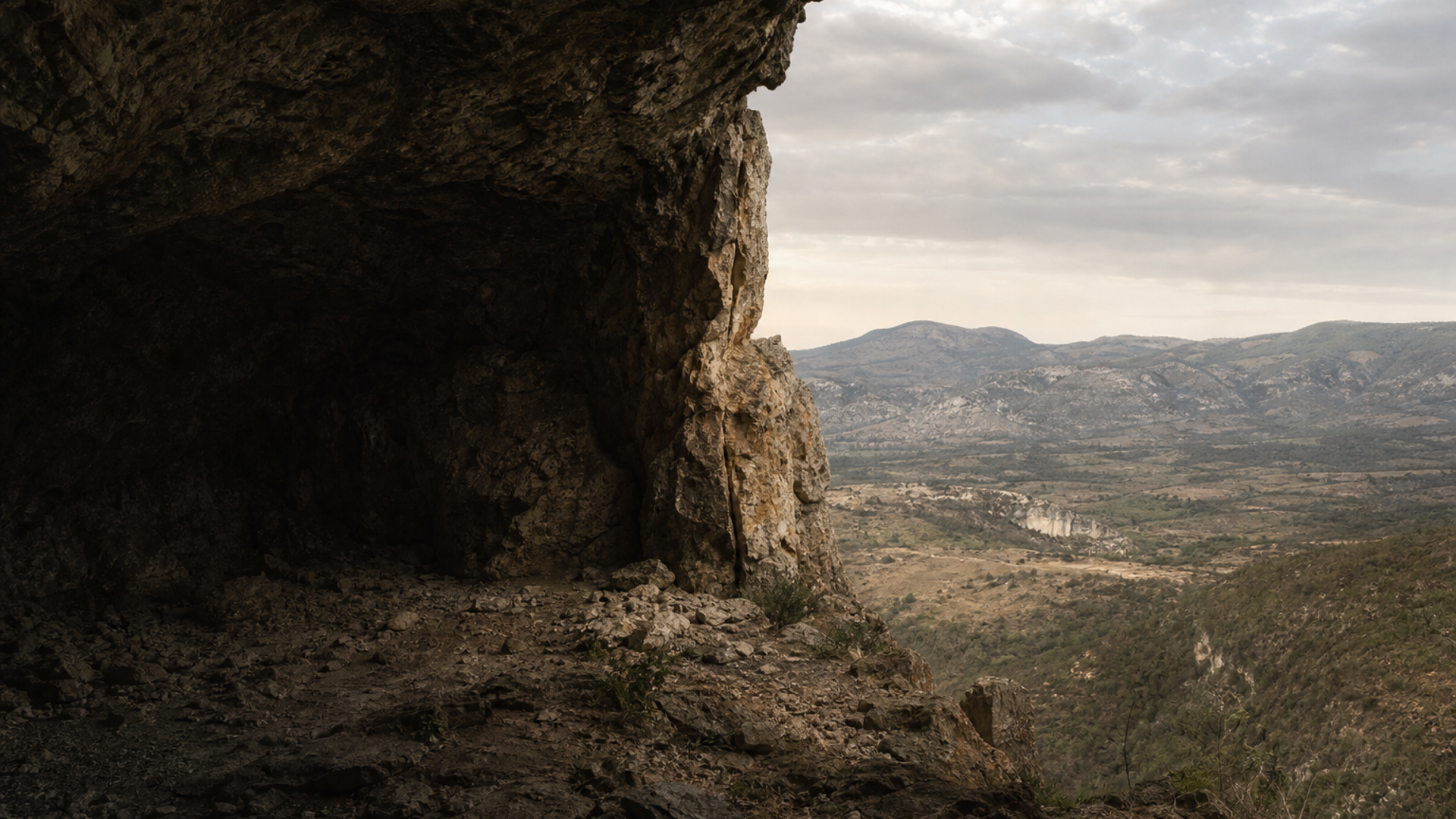
Archaeological deposits at Lapa do Santo preserve everyday traces: flaked stone tools, fragmented faunal bone, and burial contexts that together suggest a lifeway of mobility punctuated by repeated use of favored shelters. Toolkits were likely light and versatile, designed for cutting, scraping, and processing both plant and animal resources. Archaeological data indicates exploitation of riverine fish, small mammals, and seasonal plants, although preservation biases limit resolution on diet.
Mortuary behavior provides a rare window into social life. Burials at the site display variation in body placement and associated items, implying that identity and social relations were expressed through funerary choices. The shelter's caves and overhangs likely functioned as both living spaces and ritual stages, where memory was anchored in stone and ochre. Community sizes were probably small, kin‑based, and highly mobile, with occasional aggregation events that left denser deposits in sheltered niches.
Because organic remains and context survival vary, many everyday practices remain invisible; ongoing analyses (isotopes, microfossils) aim to refine seasonal mobility and diet.