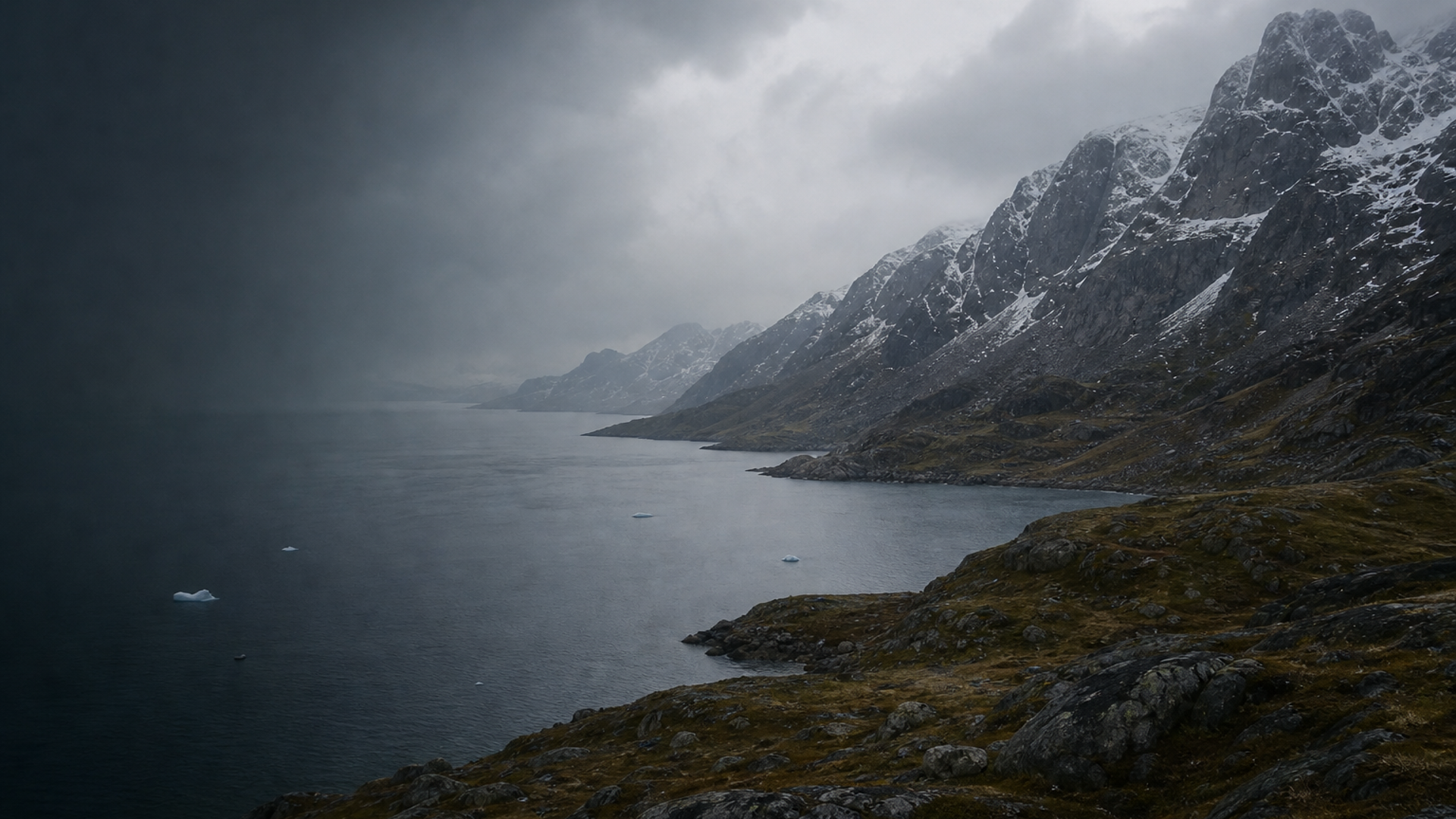
Life in Late Norse Greenland was carved from turf, timber, bone, and seal oil — a dramatic choreography of survival and ritual. Excavated longhouses contained evidence of domestic zones, central hearths, and animal stalls where sheep and goats sheltered through long winters. Archaeobotanical and zooarchaeological assemblages show a mixed diet: terrestrial meat and dairy, supplemented heavily by seals, fish, and seabirds as agricultural yields fluctuated.
Church foundations and graveyards testify to Christianity’s firm hold; stone churches such as Hvalsey served as both spiritual centers and anchors of community identity. Artifacts of everyday life — iron blades, whetstones, spindle whorls, and Scandinavian-style combs — underscore continuity with Norse material culture. Trade debris, including walrus ivory and occasional continental imports, reveal connections to markets beyond the ice.
Yet the archaeological record also records stress: erosion of soils, abandonment of marginal fields, and shifting settlement patterns through the 13th century. These material traces suggest communities negotiating changing climate and economic pressures.
Archaeological data indicates social life was organized around kin-based farms, church networks, and long-distance connections, but many details of household composition and mobility remain unresolved.