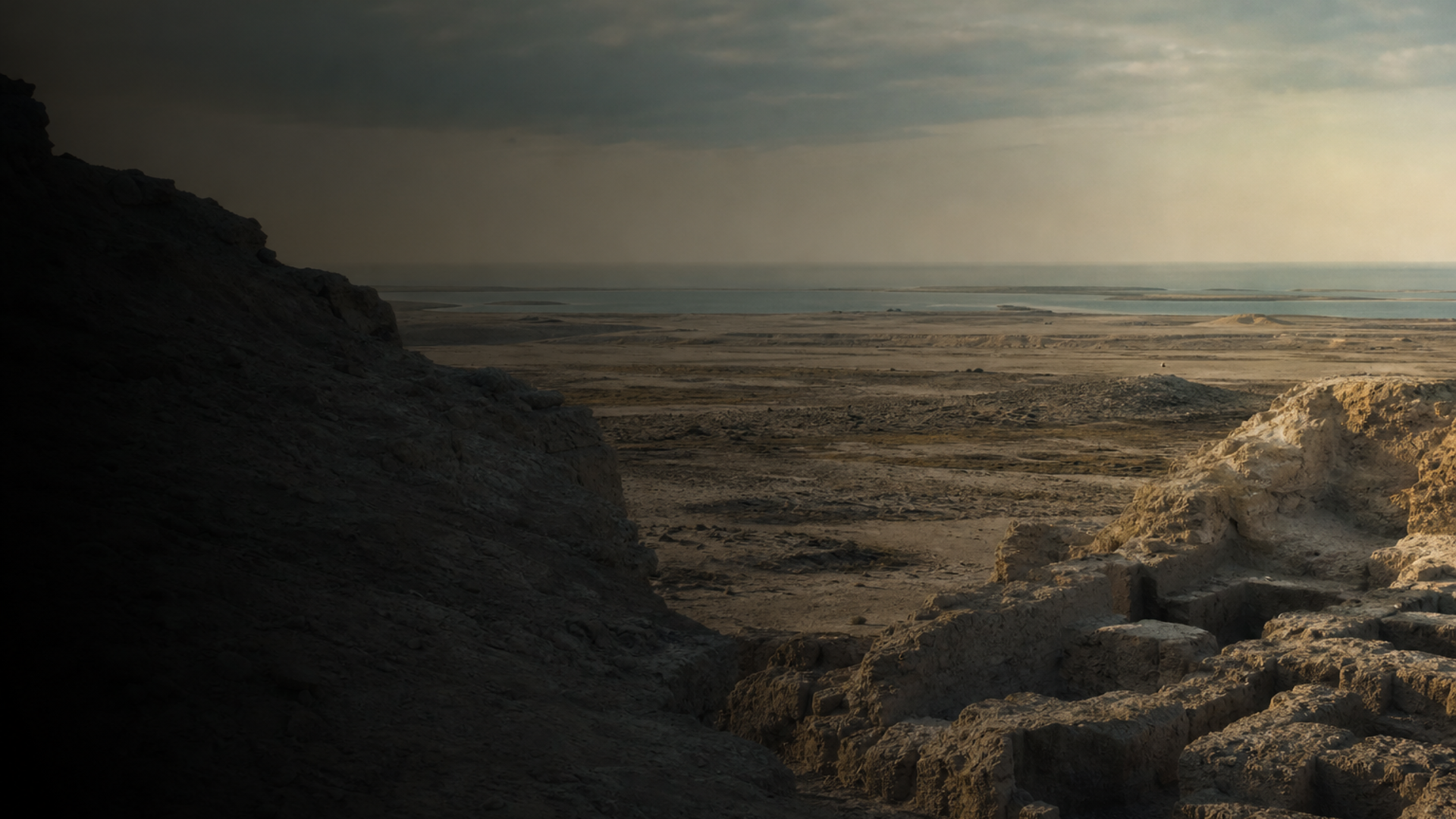
Imagine a harbor where reed boats ride low in calm waters, merchants haggle over silver and lamp-glass, and households prepare salted fish and fragrant breads—this is the human backdrop the material record evokes. Excavations at Madinat Hamad reveal domestic courtyards, hearths and burial grounds that speak to coastal livelihoods based on fishing, pearl diving, craft production and trade. Pottery styles and imported amphorae fragments point to consumption of foreign goods alongside locally made wares, indicating participation in regional exchange networks that stretched to the Iranian plateau, Oman and beyond.
Socially, Late Tylos communities appear heterogeneous. The archaeological record suggests a mixture of local Gulf traditions with items associated with Sasanian administrative presence—coins, seals and standardized weights—signaling integration into wider economic systems without necessarily implying complete cultural assimilation. Burial practices observed at Madinat Hamad show variation; this diversity may reflect different kin groups, migrants, or social roles tied to maritime occupations.
Archaeobotanical and faunal remains (where recovered) tend to reflect coastal diets with imported staples supplementing local resources, reinforcing the image of a society adaptable to seafaring life. However, preservation biases and limited excavation area mean that everyday patterns remain only partially visible.