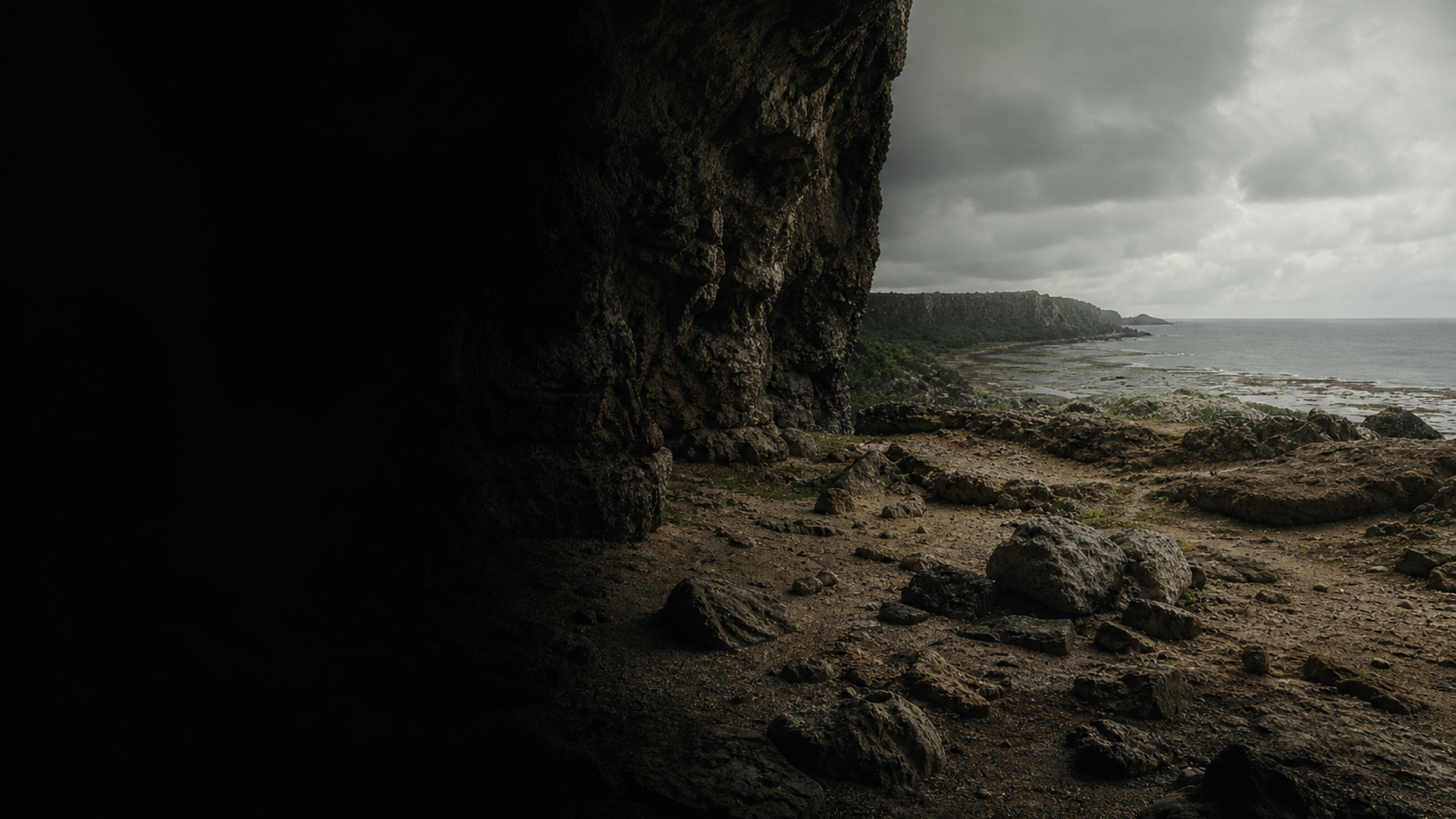
Life for Late Unai communities unfolded along shorelines and lagoon edges. Archaeological deposits at Naton Beach preserve dense shell middens—palimpsests of meals, tool production, and discard practices—indicating heavy reliance on reef and shore resources: fish, shellfish, and marine plants. Stone and shell tools recovered from habitation layers imply craft specializations (adze-like implements, cutting tools) suitable for canoe repair, woodworking, and food processing.
Ceramics (where preserved) and hearth features suggest domestic cooking and storage strategies adapted to island environments. The spatial patterning of hearths, middens, and postholes points to small nucleated hamlets rather than large, nucleated urban centers; social life was likely organized around kin groups and cooperative labor for fishing and garden cultivation. Symbolic items are sparse in the current assemblage, but the landscape itself—ties to freshwater springs, reef passes, and elevated burial places—would have structured ritual and memory.
Tropical preservation biases mean organic materials such as wood, plant fiber, and textiles rarely survive; therefore, reconstructions emphasize durable refuse and architecture stains. Ethnographic analogy and comparative island archaeology help fill gaps, but many aspects of social hierarchy, ritual practice, and long-distance exchange remain inferential and require further multidisciplinary work.