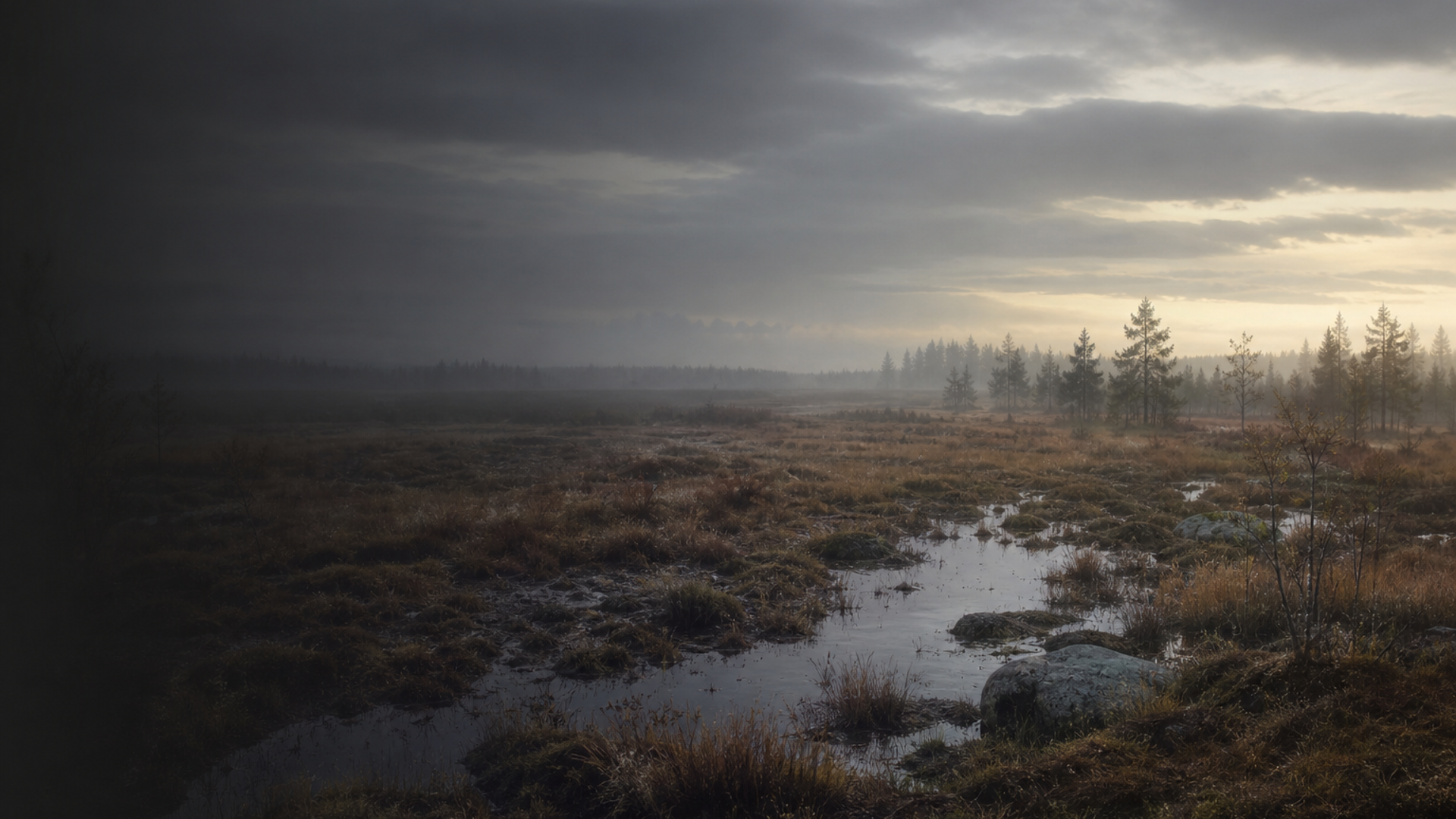
Archaeological inference from the Levanluhta setting paints a vivid northern tableau: communities living amid forests, lakes and cultivated clearings, exploiting a mixed economy of fishing, hunting, dairying and small-scale agriculture. Material remains from comparable Iron Age Finnish contexts show wooden implements, iron tools, and textiles, and point to a mobile, seasonally organized life where waterways were highways and wetlands were both resource and ritual stage.
The social fabric of this landscape likely combined kinship ties, local leaders and long-distance contacts along the Baltic littoral. Levanluhta’s wetland depositions hint at funerary choices that set certain individuals apart—whether by status, group affiliation, or ritual practice is unclear. Osteological data from wetland burials sometimes show stress markers consistent with hard subsistence lifeways: repetitive workload, infectious disease, and nutritional stress. Yet such marks are community-wide signals, not individual stories. With only four sequenced individuals from Levanluhta, reconstructions of social stratification and day-to-day practice must remain provisional and anchored to comparisons with better-documented Iron Age sites across Finland and the Baltic region.