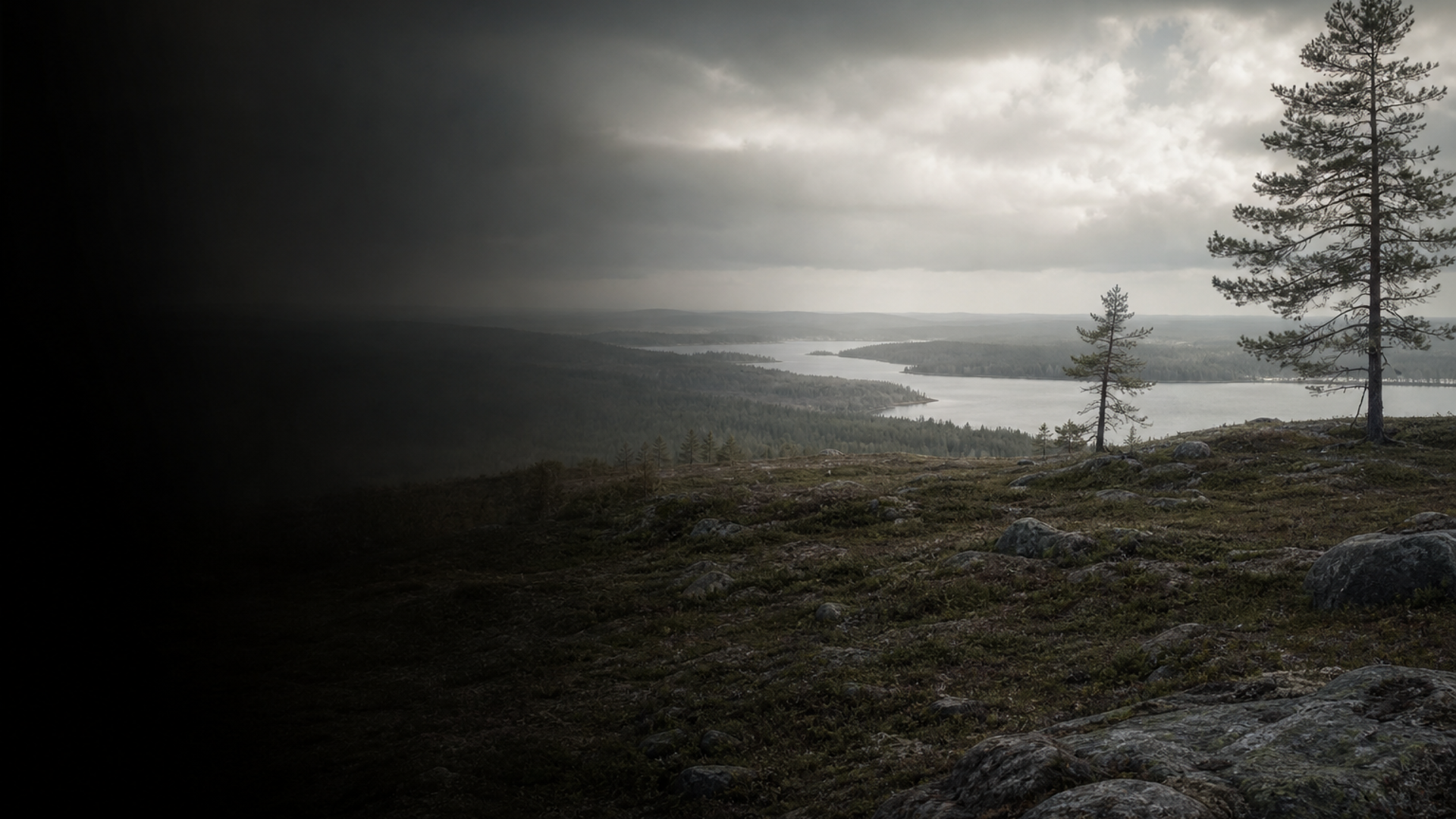
The people connected to Levanluhta B lived in a world of shorelines and wetlands, where fishing, fowling, and seasonal movement shaped lifeways. Archaeological data indicates exploitation of marine and freshwater resources and the use of iron tools typical of Iron Age societies in western Finland. Settlement evidence in the wider region suggests small, mobile communities with connections to inland and coastal networks.
Ritual deposition in springs hints at complex cosmologies attuned to liminal places: water as boundary, memory, and offering. Limited evidence suggests that social identities could be expressed through burial choices rather than large monumental burials. The depositional context at Levanluhta—human remains placed in a watery setting—may reflect collective practices, conflict aftermaths, or specialized rites; current data cannot decisively favor one explanation.
Material culture from contemporary sites in the region shows trade links with the Baltic and Scandinavian zones, indicating that everyday life combined local subsistence with wider exchange. In sum, daily life around Levanluhta B likely blended intimate knowledge of northern resources with participation in broader Iron Age social and economic networks.