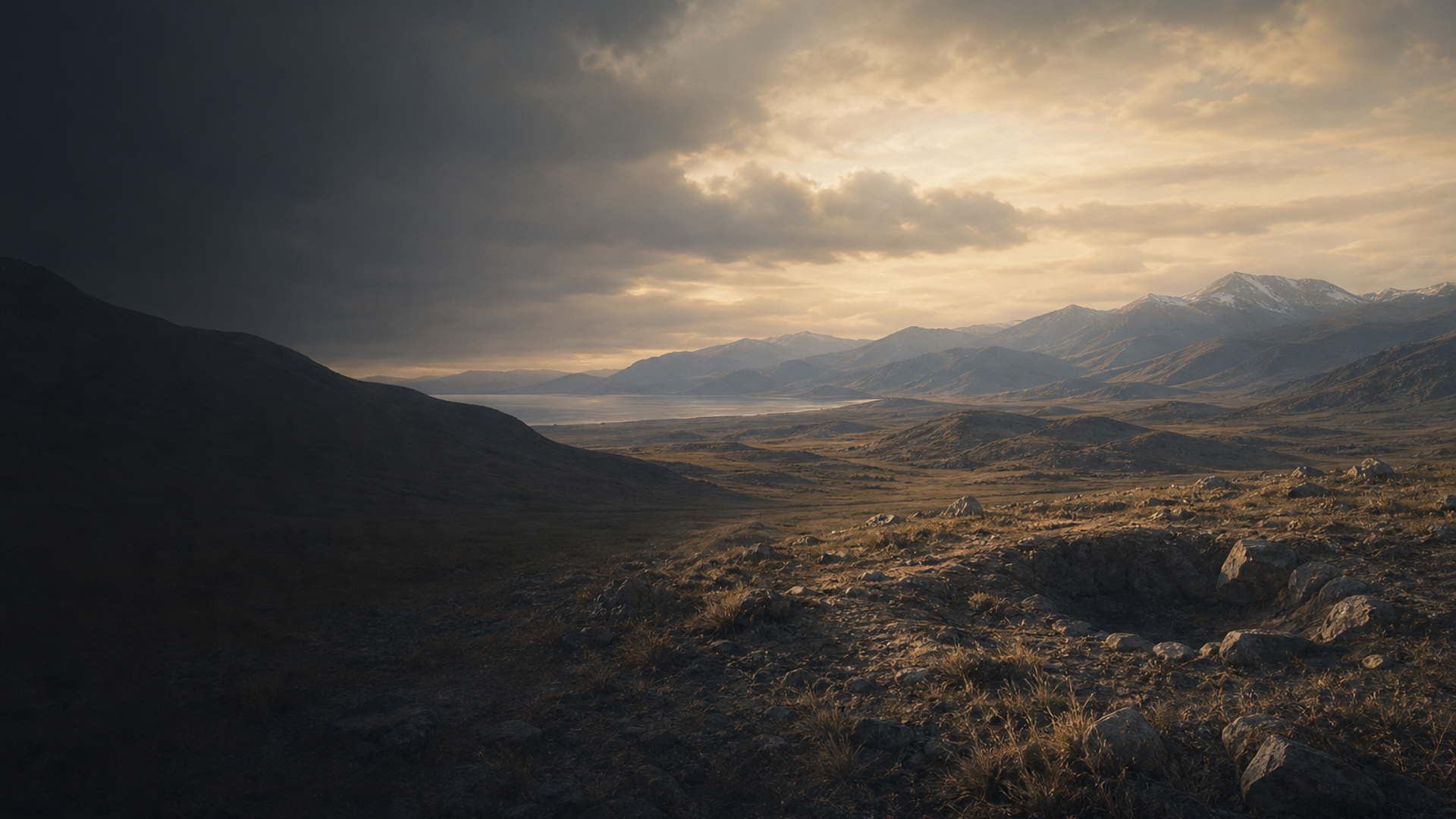
The lives behind the bones at Lokomotiv unfolded along lakeshores and river valleys where ice and thaw governed the rhythm of survival. Archaeological data indicates that inhabitants exploited aquatic resources, hunted game, and gathered seasonal plants; organic preservation at some sites preserves traces of fish and plant exploitation in this zone. Material traces associated with Eneolithic contexts—stone tools, ground implements, and portable ornaments—suggest communities skilled in lithic craft and personal display, though preservation and publication of the full material assemblage remain uneven.
Social life can be glimpsed through burial variability: interments at Lokomotiv include individual graves that point to recognizable social identities, perhaps age and sex–based roles, and community concern for the dead. Funerary arrangements and the presence of bodily modifications or grave goods (where documented) hint at social differentiation, ritual practice, and the embedding of memory within landscape. Yet archaeological evidence is fragmentary; many inferences about household composition, mobility, and craft specialization are modeled from regional comparisons rather than exhaustive local excavation.
In cinematic terms, these were people who navigated a mosaic landscape—seasonal camps alternating with more persistent burial places—anchoring social ties across generations in a challenging northern environment.