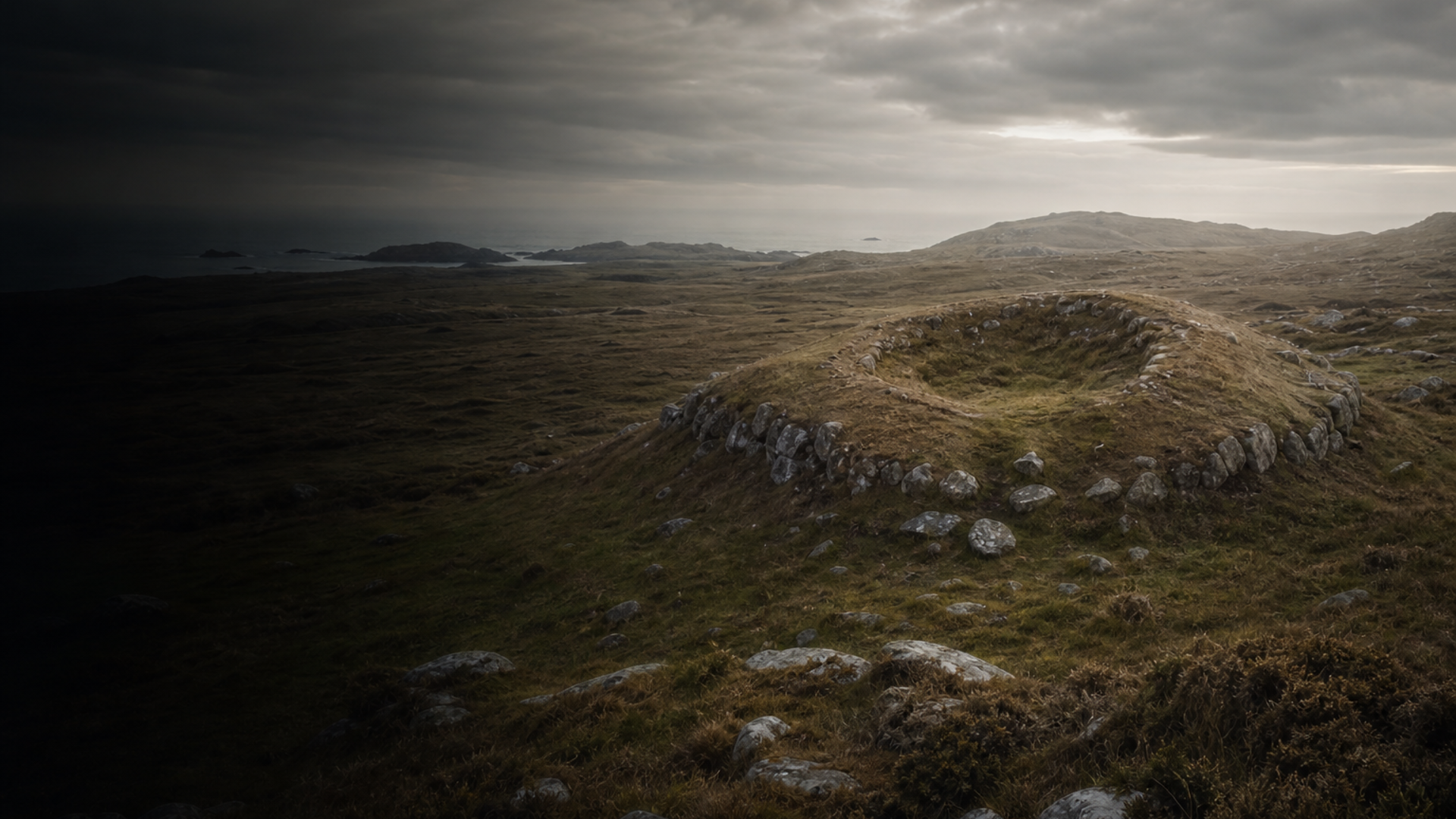
Life on Alderney in the Early Iron Age can be imagined as a rhythm of tides, herds, and craft. Archaeological data indicates exploitation of marine resources alongside small-scale farming and herding on sheltered terraces and common ground. Shell middens, worked bone and flaked stone (where preserved) suggest dietary breadth and local toolkits adapted to island resources. Seasonal movement between sheltered bays and inland plots would have structured labor and social gatherings.
Communal activities—maintenance of boats, exchange of pottery styles, shared rituals at prominent landscape features—would have reinforced bonds with neighbouring islands and the adjacent continental coasts. Trade and communication along the Channel likely brought exotic raw materials and new forms, while everyday objects remained pragmatically local. Burial evidence in the region is sparse; where funerary contexts exist they often leave ambiguous signals about social hierarchy, age, or gender roles. Archaeological interpretations therefore emphasize everyday resilience and connectivity rather than elaborate elite displays.
This is a landscape of small communities negotiating isolation and exchange. The fragile material record preserves glimpses of work, food, and kinship, but many aspects of social organization remain conjectural until expanded excavation and targeted sampling provide a fuller picture.