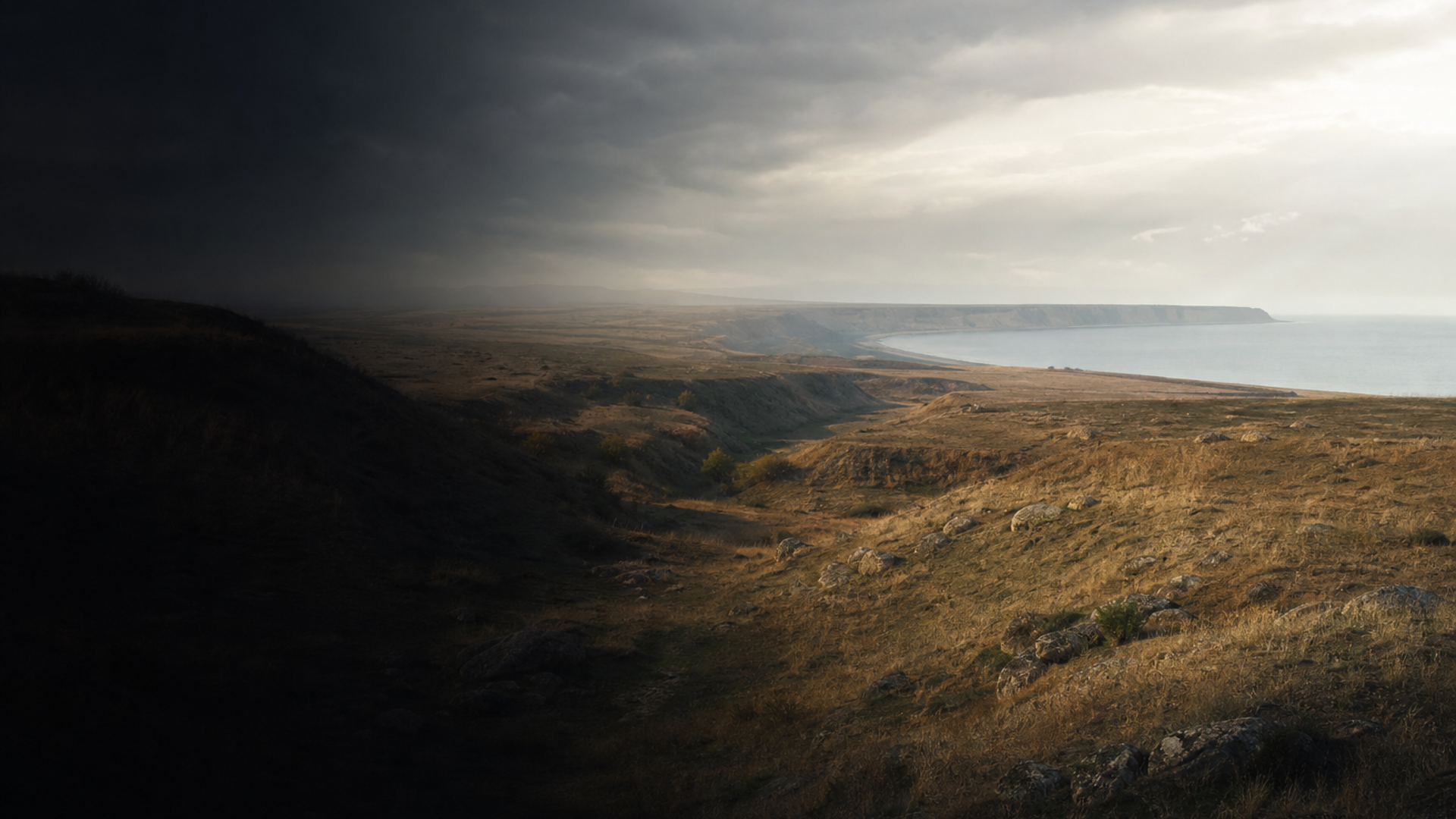
At the human scale, Majaky’s inhabitants inhabited a landscape of brackish lagoons, river mouths, and fertile plains. Archaeological data indicates mixed subsistence: domesticated cereals and livestock combined with fishing and seasonal exploitation of marine resources. Pottery forms and toolkits recovered in the region suggest household craft, food processing, and possibly seafaring or riverine transport technologies that facilitated mobility and trade.
Burial contexts at Majaky reveal variability: some interments are simple and modest, others include more elaborate treatment, implying social differentiation within a small community. Grave goods, where preserved, often include ceramic vessels and personal ornaments that signal social ties and identities expressed through material culture. The coastal setting would have encouraged interaction—markets, exchange of raw materials like copper, and cultural contact across the Black Sea rim—producing a lived world that was outward-looking yet rooted in local practices.
Archaeological evidence is suggestive rather than exhaustive: taphonomic loss and limited excavation mean reconstructions of daily life remain provisional. Still, the combination of subsistence traces, burial variability, and artifact types paints a cinematic picture of communities negotiating life on the Eneolithic Black Sea frontier.