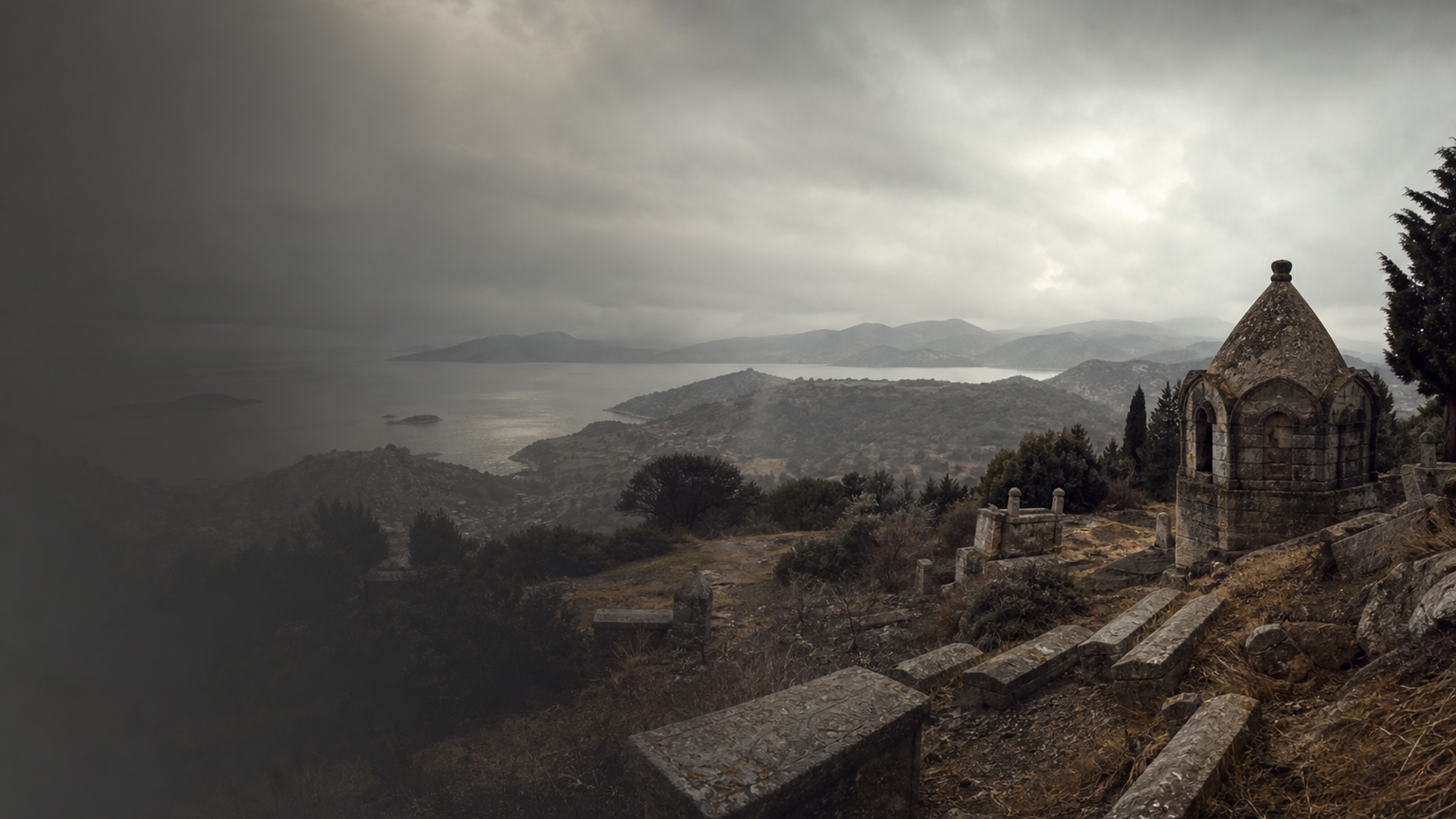
The Ottoman-era Marmara world was a mosaic of urban centers, rural villages, and island communities. Archaeological evidence across the region documents bustling ports, craft workshops, and markets that linked Anatolia to the Balkans, Aegean islands, and the Black Sea. Although the three sampled individuals represent only fragments of that human tapestry, their provenance from coastal and lakeside locations (Erdek and İznik) highlights the maritime and inland waterways that structured daily life.
Material culture from contemporary Ottoman contexts typically includes ceramics, metalwork, textiles, and architectural traces of mosques, baths, and caravanserais; such finds testify to a society with layered social roles — merchants, artisans, sailors, farmers, and religious communities. Burial practices varied by faith and locality; the excavated human remains in this dataset were suitable for DNA analysis, indicating reasonably preserved skeletal contexts. Isotopic and aDNA studies elsewhere in Ottoman-period sites have revealed mobility driven by trade, military service, and pilgrimage, and these processes likely influenced the lifeways of people in the Marmara.
Because of the sparse genetic sample, we cannot robustly link specific social statuses or occupations to the individuals sampled, but the archaeological setting suggests they lived within a region of active exchange and cultural interaction.