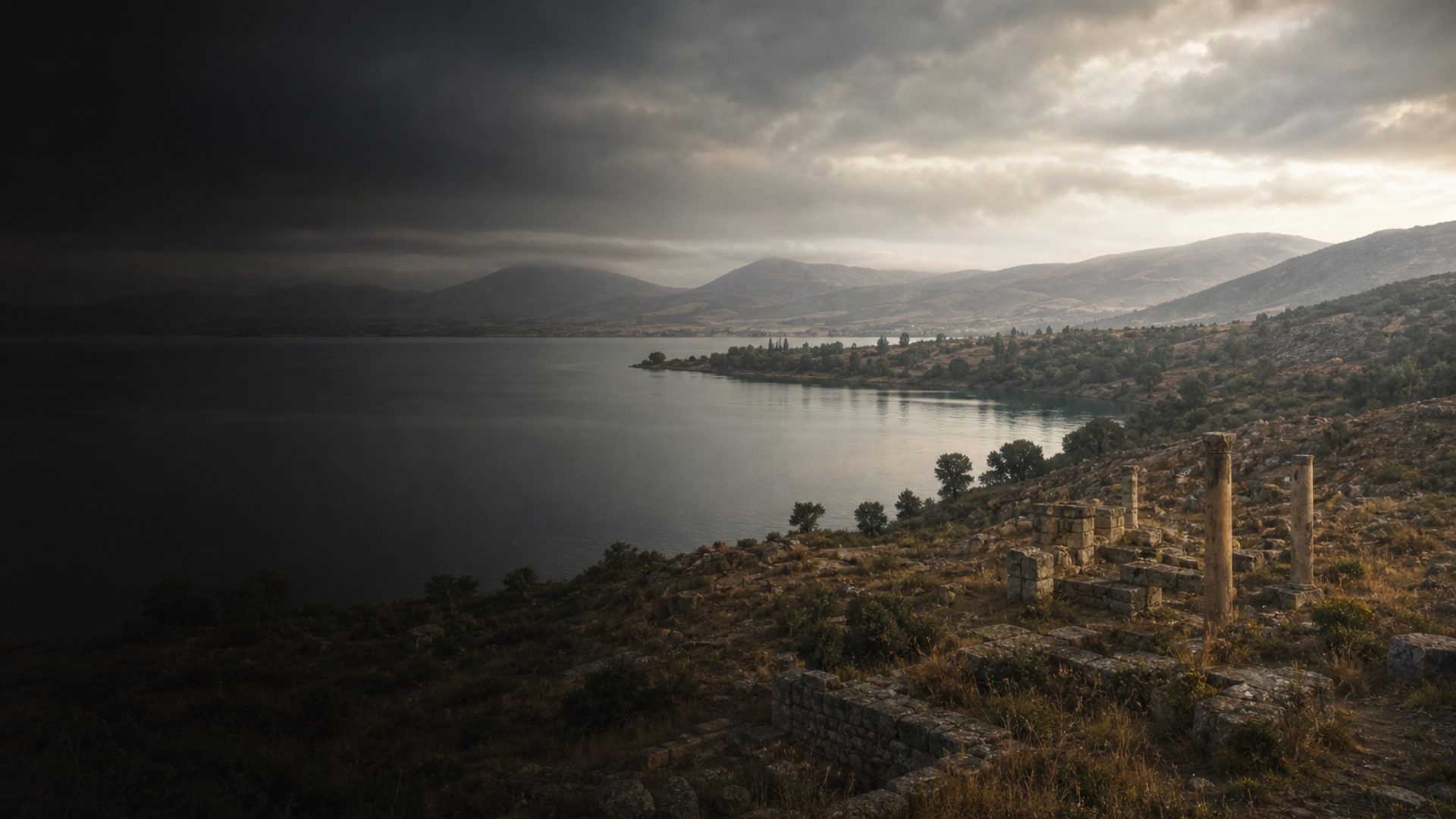
Life in the Marmara towns of the Roman era unfolded at the meeting point of inland agriculture and maritime exchange. Archaeological deposits from urban quarters and harbor margins show ceramics from local Anatolian workshops alongside amphorae and fine wares that arrived from the Aegean, eastern Mediterranean and Black Sea—evidence of a diet and economy shaped by both local produce and imported staples. The presence of basilica architecture at Iznik implies organized Christian communities and public liturgical life by the fourth century.
Craft production, small-scale industry, and boat traffic shaped daily rhythms. Body stands of stone, reused column fragments, and the stratigraphy of domestic floors indicate neighborhoods rebuilt over generations. Tombs and burial practices occasionally reveal mixtures of Roman funerary forms and earlier Anatolian rites; however, many funerary contexts are under-sampled at the sites in question. Archaeobotanical and zooarchaeological studies across Bithynia show mixed farming—cereals, olives, grapes—and animal husbandry that underpinned urban provisioning.
Mobility was a defining feature: merchants, sailors, soldiers and pilgrims traversed these waterways. Such movement left imprints in trade goods and, potentially, in the genetic record—maternal lineages can reflect networks of women who moved with families, markets and religious communities.
Bulleted glimpses of urban life: