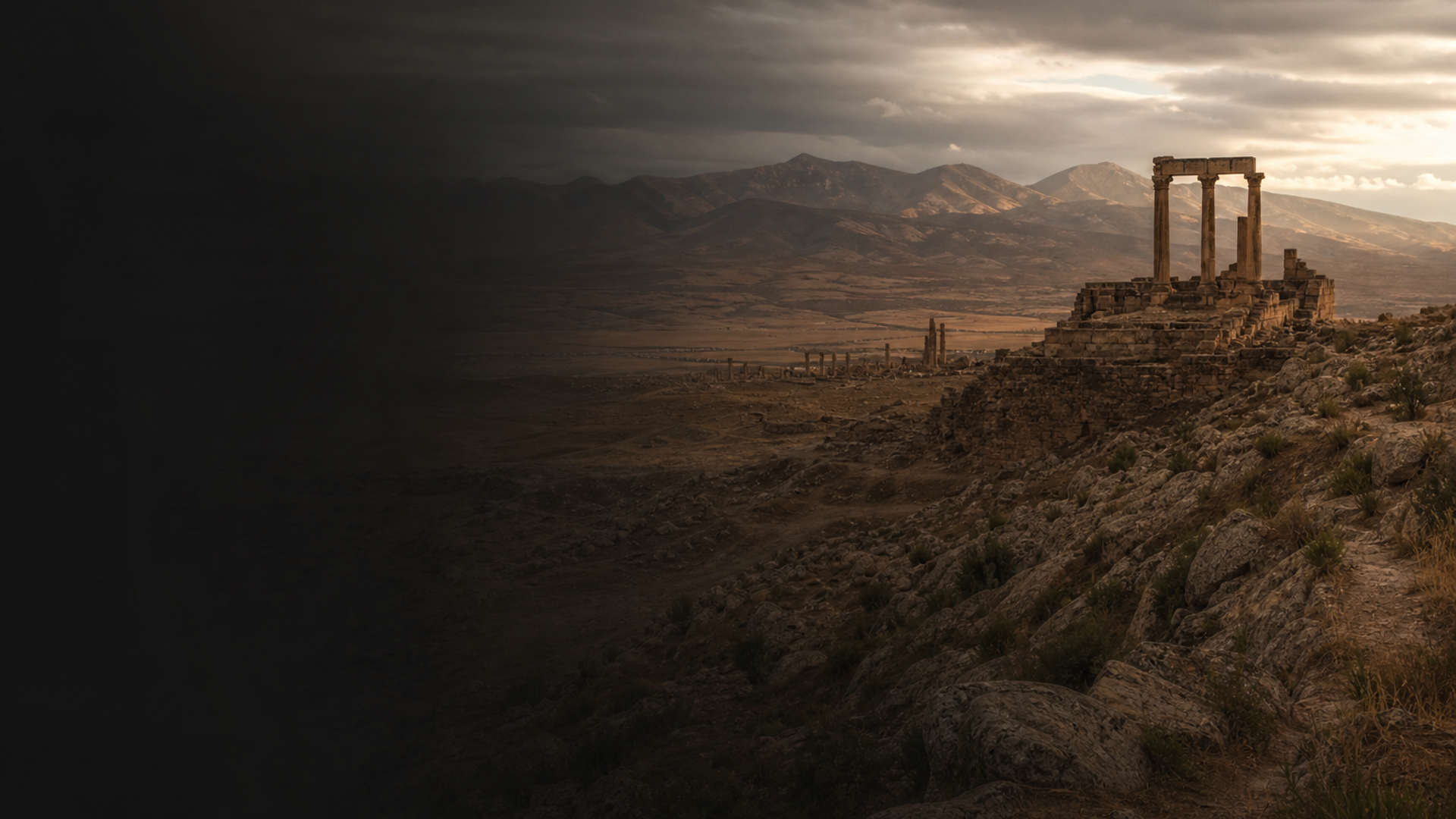
The daily life of modern Algerians, when seen through archaeological lenses, is a story of urban rhythms and rural resilience. Excavations and surface surveys reveal marketplaces, domestic ceramics, and infrastructure that echo long-standing economic and social practices: coastal trade networks connect Algiers to the Mediterranean; inland plains and highlands around Batna support agriculture and seasonal movements. The Casbah's narrow lanes and stone houses embody centuries of urban living, while rural material culture preserves craft traditions and agricultural adaptations to a Mediterranean-climate regime.
Archaeological evidence—ceramic assemblages, building techniques, and burial patterns—complements ethnographic and historical records to suggest continuity in foodways, craft, and social organization. For example, pottery forms and domestic architecture show regional traditions with localized innovation, reflecting both local identity and long-distance contacts. In the modern genetic dataset, sampling from urban and inland locales offers a window into how everyday life and mobility shape population structure: port cities and administrative centres tend to be more genetically mixed, while some inland communities show stronger signatures of long-term local ancestry.
Archaeology does not capture every household or practice; material remains preserve specific behaviours. When combined with DNA, however, these traces provide a richer, layered picture of how people lived, moved, and maintained identity across generations.