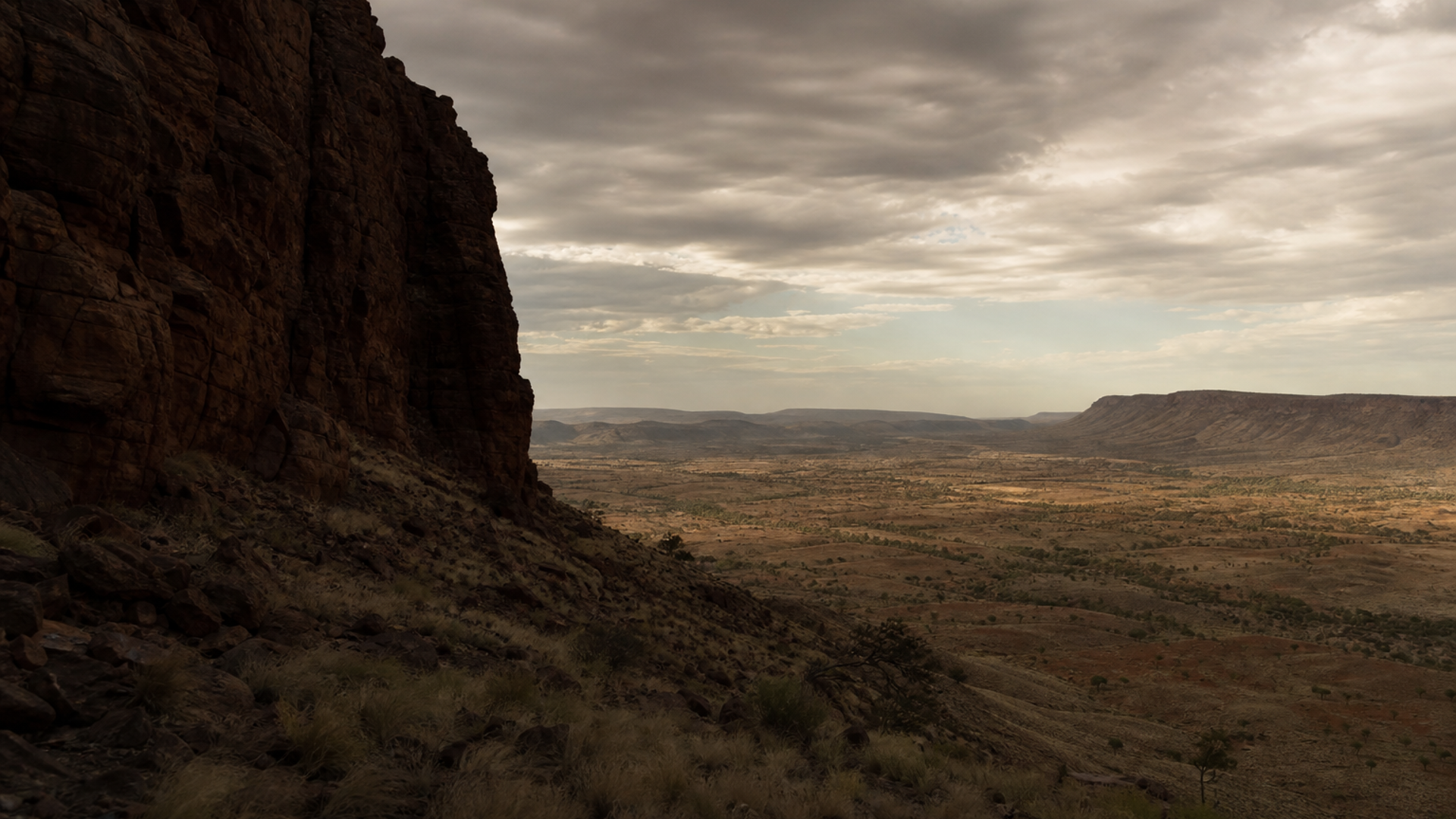
The lived world of Australia in 2000 CE is cinematic: red interior deserts, temperate coastal cities, and island communities that carry distinctive cultural traditions. Archaeological traces of daily life range from ancient stone tools and hearths to colonial-period artefacts, shipwreck debris, and modern refuse deposits that document dietary, economic, and technological transitions. Ethnographic and archaeological records show persistent cultural practices among many Indigenous communities—ceremonial life, rock art production, and traditional ecological knowledge—that coexist with industrialized urban lifestyles.
Archaeologists working in contemporary settings often encounter multilayered deposits where Indigenous, colonial and modern materials are interwoven. Historic sites (convict-era settlements, pastoral stations) and urban stratigraphy record rapid shifts in diet, health, and movement that are mirrored in demographic changes visible in genetic datasets. For ancestry interpretation, this means modern Australians frequently inherit a composite biography: deep Indigenous roots for some, recent European or Asian ancestry for others, and many with combinations of these threads. Archaeological context (site histories, recorded migrations, and material culture) helps ground genetic patterns in place and time.