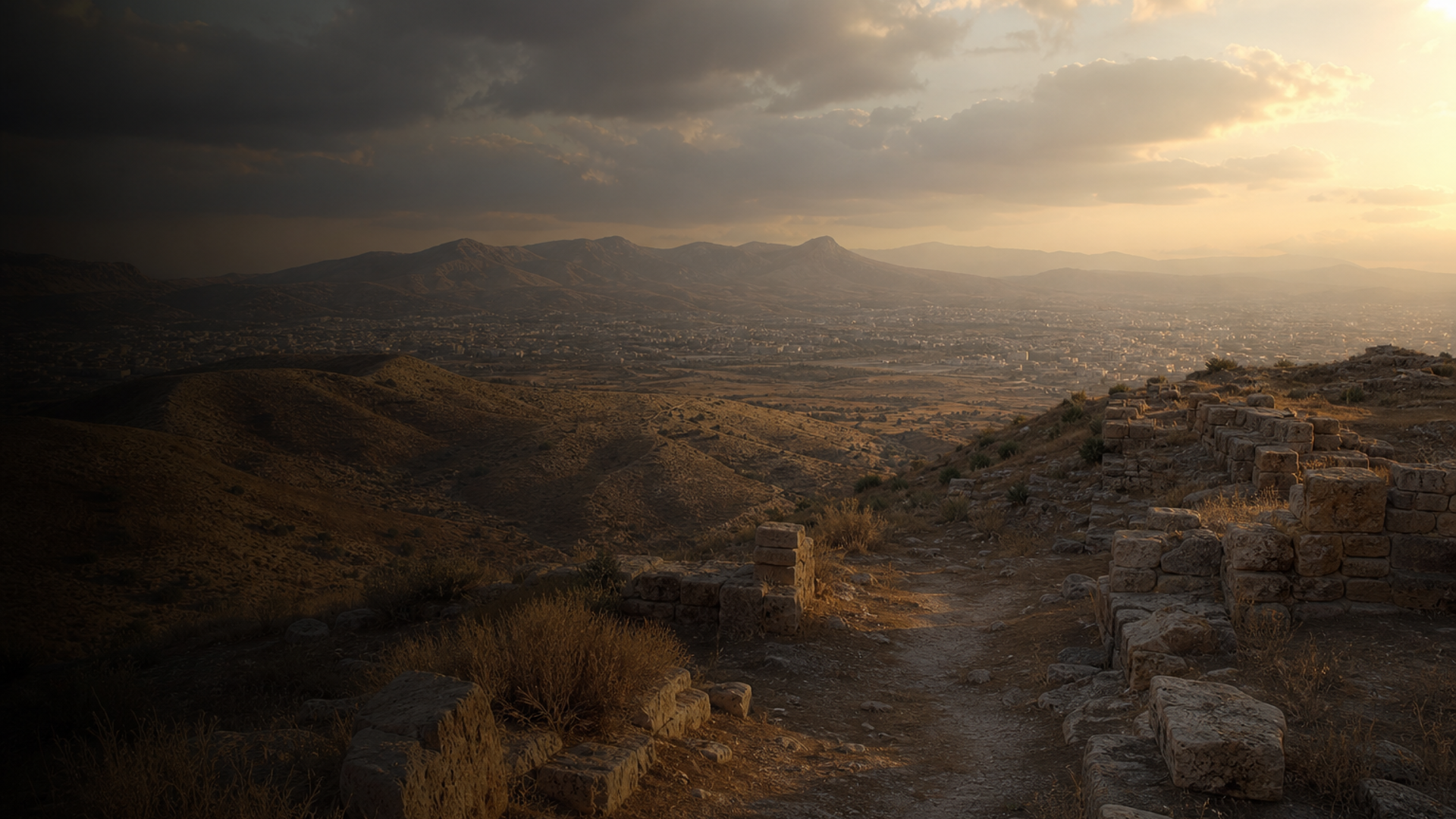
Modern daily life in Nicosia—around the year 2000 CE—is best reconstructed through a blend of archaeological observation, documentary history, and ethnographic continuity. Urban excavations expose domestic architecture, market areas and street patterns that reflect a city functioning as both administrative center and commercial hub. Pottery, personal items, and the layout of homes point to dense, multi‑generational households, with social life organized around neighborhoods, markets and religious institutions.
Archaeological indicators such as household refuse, repaired masonry, and re‑used building stone suggest economic resilience and adaptive reuse, hallmarks of cities with long histories. Where human remains are available in modern contexts, they often come from municipal or church cemeteries, which provide information on burial practice but are subject to recent disturbance—urban development, conflict and modern infrastructure projects. These realities complicate direct archaeological inference about health, diet and mobility; here, genetic data offers a complementary lens. DNA can illuminate kinship networks and ancestry profiles that artifacts alone cannot, but the current Nicosia dataset (eight samples) is too small to reconstruct population‑level social structures. Accordingly, archaeological signals of trade, craft specialization and neighborhood cohesion remain essential for understanding everyday life.