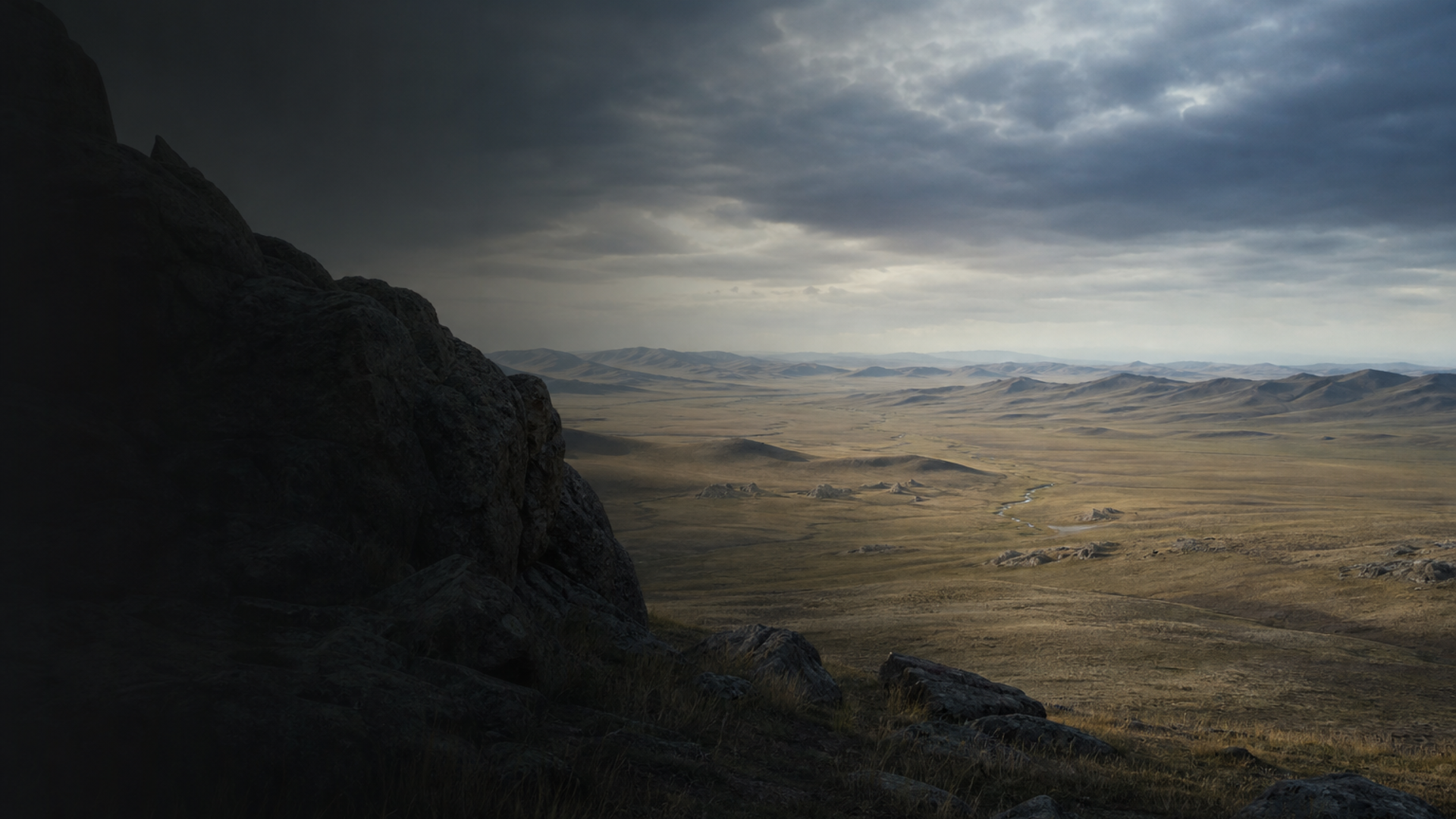
The everyday world of Mogushan’s inhabitants unfolded at the intersection of grassland and forest. Archaeological data from Xianbei-era sites in Inner Mongolia suggests a mixed economy of horse pastoralism, seasonal movement, hunting, and localized cultivation where soils and climate permitted. Grave orientations, burial goods, and the presence of iron implements in related cemeteries point to social roles tied to mobility, warfare, and craft specialization.
Portable objects — belt fittings, ornaments, and tools — commonly found in Xianbei burials speak to identity and networks rather than monumental architecture. Horse tack and riding equipment, documented across the broader Xianbei cultural sphere, imply that animals were central to transport, status display, and possibly raiding or military activity. In forest-steppe margins like Hulunbuir, resource diversity allowed communities to exploit riverine fish, wild game, and seasonal pastures.
Ethnographic and archaeological analogies caution against romanticized reconstructions: material traces preserve fragments — a decorated clasp, a disturbed grave — that require careful interpretation. At Mogushan, these fragments combine with genetic signals to suggest a community embedded in regional lifeways shared across the Amur and Mongolian landscapes, linked by mobility, kinship, and exchange.