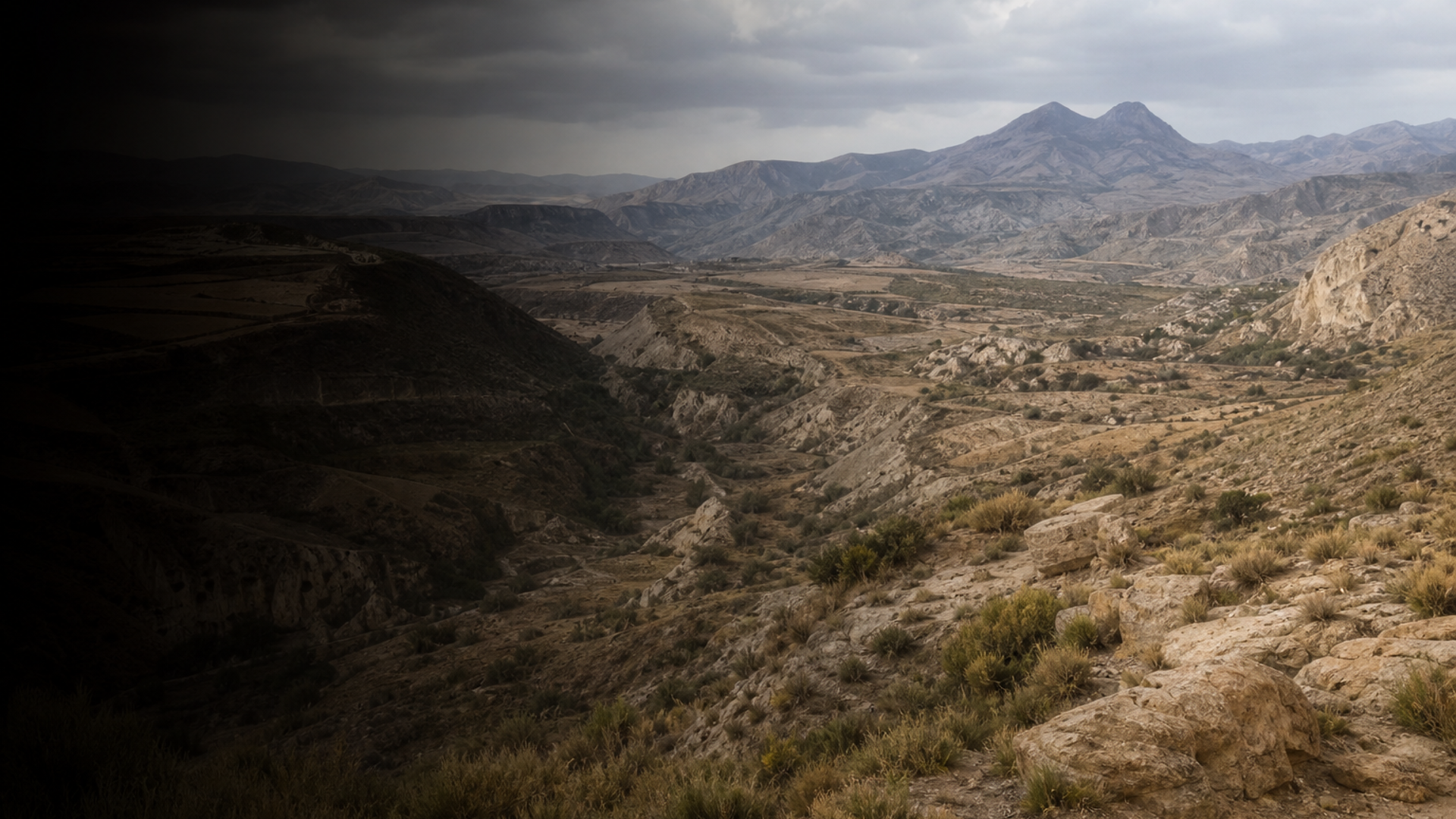
Archaeological evidence from El Argar regions evokes a world of craft specialization, agricultural intensification, and visible social differentiation. Houses and settlements in Murcia and nearby districts show denser occupation and investment in durable architecture compared with preceding centuries. Bronze tools and ornaments appear alongside pottery styles that circulate regionally, signaling both local production and wide-reaching exchange.
Grave goods in El Argar cemeteries often reflect rank and gendered roles, with some burials accompanied by weapons, metalwork, and elaborated ceramics. While the Molinos del Papel individuals are few, they likely belonged to communities participating in these economic and social networks — farming cereals, managing herds, and engaging in metallurgy or trade. Archaeobotanical and zooarchaeological work at comparable sites points to mixed agriculture and pastoralism supporting larger, more sedentary populations.
It is important to stress uncertainty: specific household activities or individual life histories at Molinos del Papel are poorly constrained with only three genetic samples. Yet when bones meet artifacts, and DNA complements osteology, a more vivid reconstruction of daily life emerges: bodies shaped by diet, mobility, conflict, and kinship within an evolving Bronze Age society.