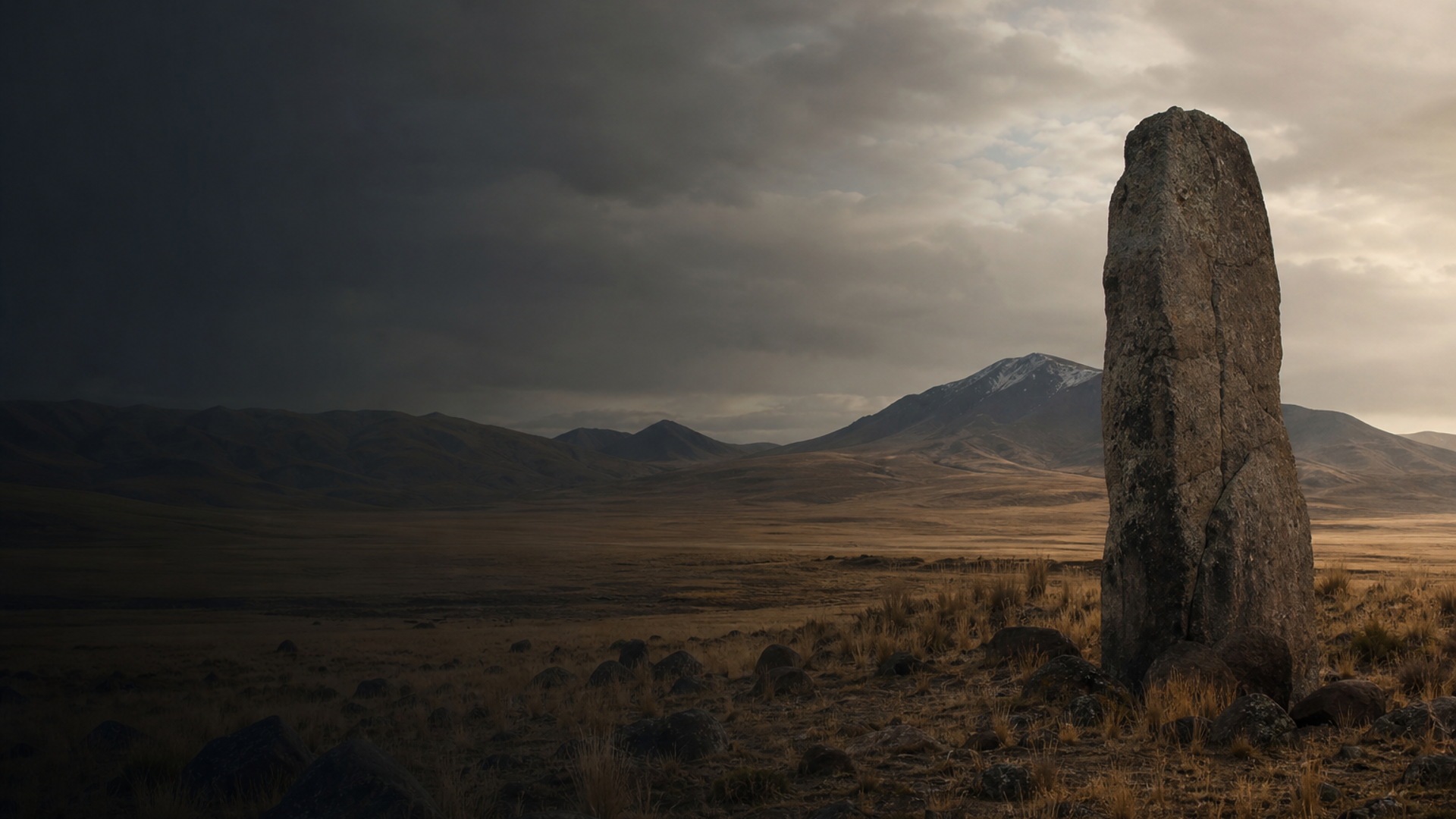
The living world of Tiwanaku-era people was one of altitude-hardened agriculture, camelid herding, and long-distance exchange. Archaeological excavations across Tiwanaku plazas and habitations reveal finely made pottery, textiles, and evidence of intensively managed agricultural terraces and raised fields that buffered crops against frost and water stress. Faunal remains indicate reliance on llamas and alpacas for transport, wool, and meat, while trade in obsidian, shell, and metal objects connected upland communities to distant ecological zones.
Ceremonial architecture — massive stone terraces, carved pillars, and public plazas — anchors our understanding of social life. Ritual deposition and monumentality imply complex social hierarchies and collective ceremonies. At Monolito Descabezado, the presence of a named monolith suggests the site functioned in ritual or commemorative roles within a broader polity. Funerary contexts from the region vary: bundled burials, grave goods, and isolated interments appear in different settings, but the single genetic sample here offers only a faint echo of everyday identity. Archaeological data indicates resilience and adaptation in the face of climatic and political shifts during the late 1st millennium CE.