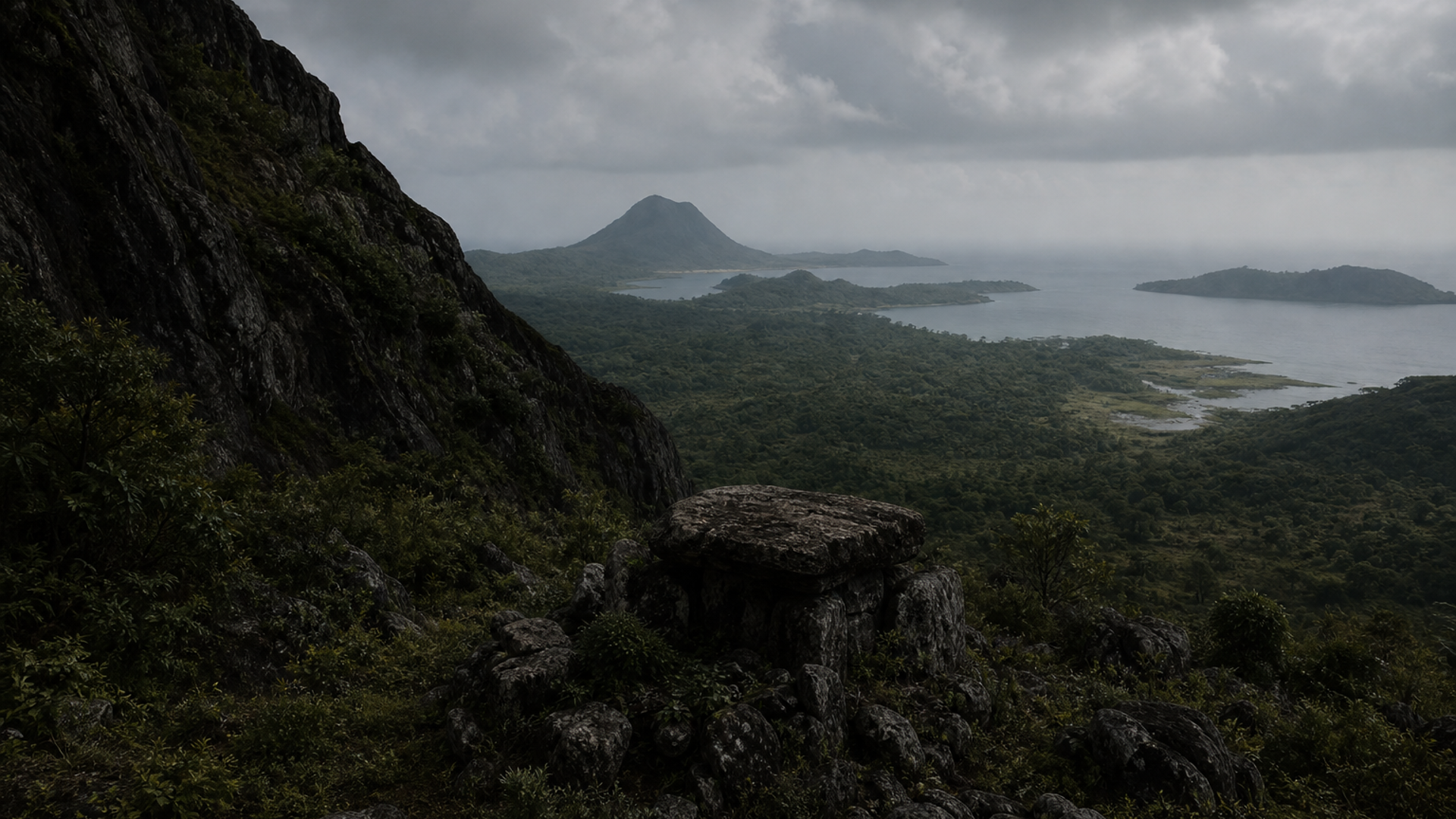
Imagine narrow reefs and open channels where canoes skim between islands, where people harvested fish, shellfish, and pandanus in a rhythm set by tides and trade winds. Archaeological indicators from the North Moluccas broadly suggest coastal settlement patterns with economies built around marine resources, horticulture suited to island interiors, and craft traditions adapted to seaborne life.
Archaeological data indicates durable ties between communities through exchange of pottery styles, raw materials, and perhaps prestige goods. Such interactions would have supported multilingual and multicultural networks: storytelling, navigational knowledge, and kinship ties crossing water. House structures, burial practices, and material culture in the wider region show variation that likely reflects both local innovation and incoming influences.
Social life on Morotai would have been shaped by mobility—seasonal fishing, inter-island marriage, and periodic long-distance voyaging. These lifeways create a landscape in which genetic signals can shift rapidly as people move, intermarry, or adopt newcomers, which is important to bear in mind when linking DNA snapshots to social organization.