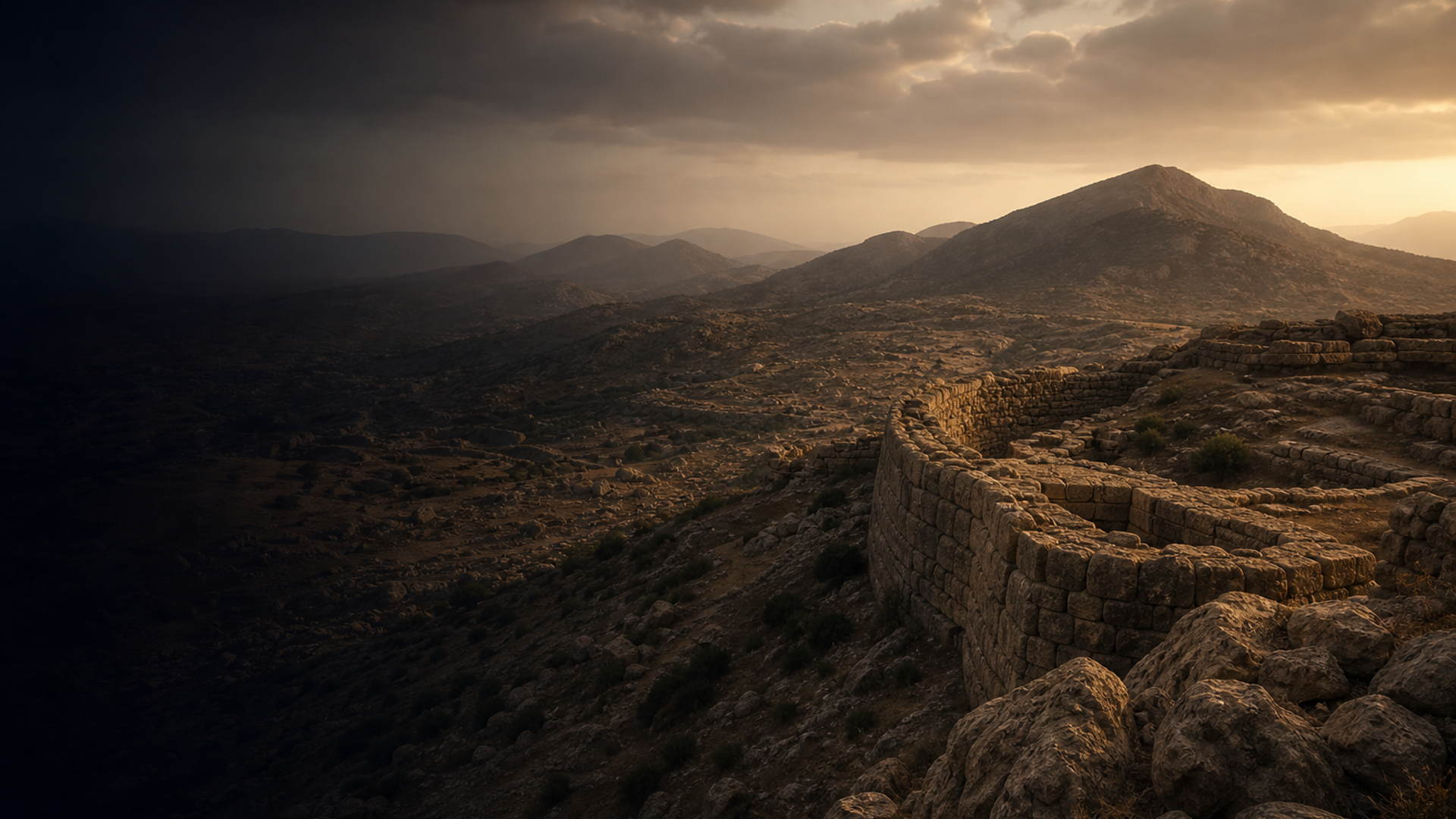
Within the shadow of palace walls, Mycenaean daily life combined agricultural rhythms, craft specialization, and complex social hierarchies. Farmers cultivated olives, grapes, and cereals on terraced hillsides; shepherds moved flocks across limestone country. Workshops near palace centers produced finely painted pottery, bronze tools, and luxury goods that travelled by ship along the Aegean coast.
Households varied widely: elite residences near palaces had storerooms, administrative archives, and imported luxuries; rural settlements show simpler architecture and local craft. Burial practices—tholos tombs, chambered graves, and shaft graves—reflect social differentiation and evolving ritual expression. Artistic motifs evoke maritime power, chariotry, and feasting; Linear B tablets record personnel, rations, and goods, giving rare administrative glimpses into labor and resource flows.
Skeletal remains and isotopic studies at some sites suggest varied diets and mobility: coastal and inland diets overlap but show differences in marine input. Archaeological evidence indicates long‑distance contacts—amber, tin, and ivory moved through exchange networks—while household economies sustained the palatial centers. Yet many details of everyday belief, language use beyond administrative elites, and the lived experience of women and subaltern groups remain incompletely documented.