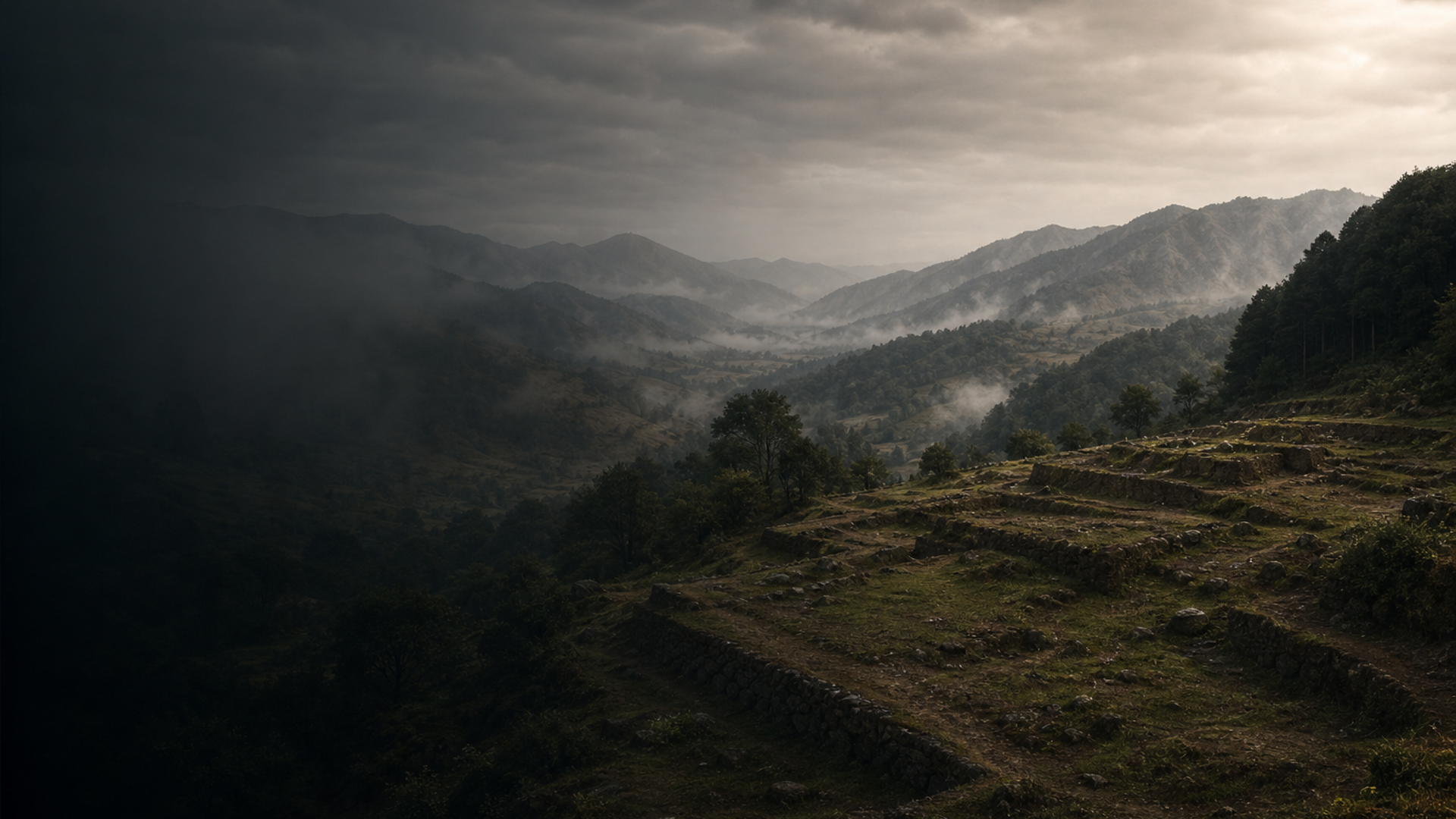
Archaeology at Nagabaka offers glimpses of everyday rhythms—fields cut into hillsides, hearths and postholes, and grave goods that speak of social roles and craft. In the earlier layers, the arrival of wet-rice farming in the region reshaped settlements: larger, more permanent villages; storage pits; and pottery styles adapted for cooking and storage. By the Kofun and later historic periods, the landscape bears traces of growing social stratification, with some burials showing more elaborate treatment than others.
Archaeological data indicates shifts in diet, technology, and mobility. Botanical remains and faunal assemblages imply intensified agriculture and animal husbandry; metal objects and imported goods point to long-distance exchange. Everyday objects—ceramics, lacquer fragments, tools—give texture to lives otherwise invisible in the soil. For the modern-period samples, cemetery organization and grave markers reflect institutional practices of the Edo and Meiji eras, when written records begin to complement the material record.
These material traces combine with DNA to form a richer story: genes can hint at ancestry and mobility, while artifacts reveal cultural choices, economy, and belief. At Nagabaka, the interplay of material culture and genetic data is especially evocative because it spans both prehistoric transformations and historic social worlds.