Archaeological deposits suggest households built around mixed farming and foraging. Ceramic sherds and grinding stones indicate processing of cereals and pulses, while faunal assemblages point to domesticated sheep, goats and pigs alongside exploited wild species. Hearths and features preserved at cave and open-air contexts imply seasonal use and intimate household economies rather than large, nucleated urban centers.
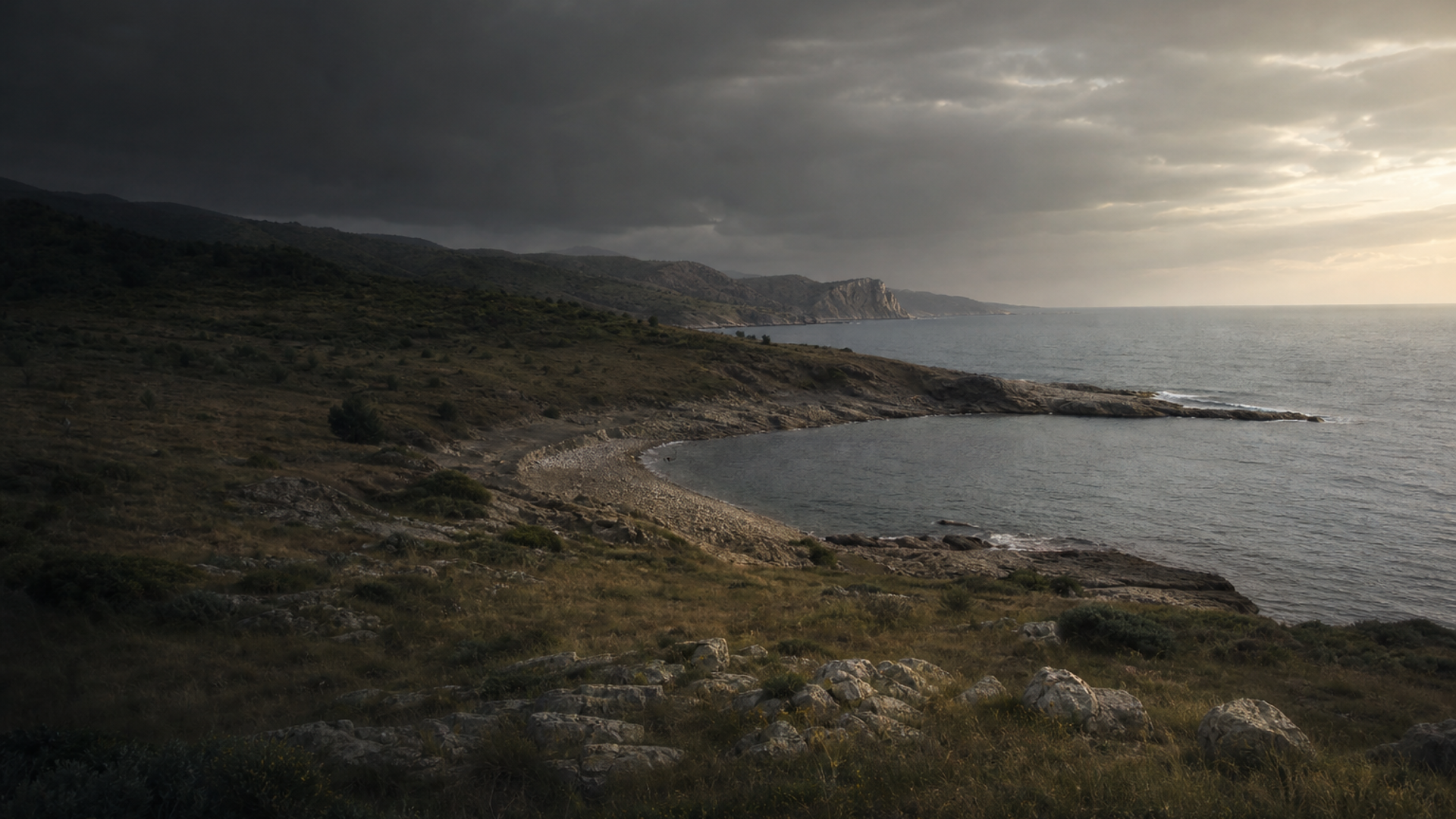
Social life likely centered on kin networks: the genetic samples originate from burial or skeletal contexts at the named sites, suggesting small community groups with intergenerational residence. Craft production appears modest—pottery made for storage and cooking, local lithic tools for carpentry and plant processing. The coastal and riverine landscapes of Marche and central Italy offered a mosaic of fields, scrub, and rich marine resources; archaeological evidence indicates people moved across these zones, combining farming with hunting, fishing and gathering.
Material culture reveals choices shaped by environment: thin-walled ceramics suited to boiling and storage, and small portable tools for a mobile-agricultural lifeway. Burial evidence is limited in number; where human remains occur they provide both archaeological context and the DNA that connects skeletons to broader population movements. In short, these communities lived at the junction of sea and hill, of imported techniques and local survival strategies.